
Baznas and Persis Sign MoU to Strengthen Education and Dakwah Programmes
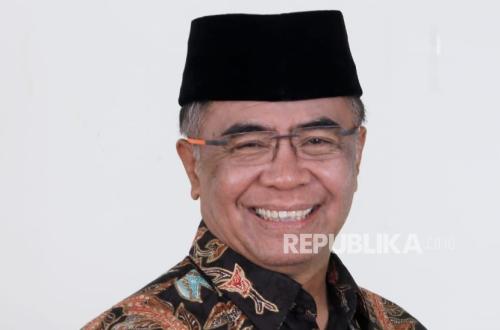
The National Zakat Agency (Baznas) and the Central Board of the Islamic Union (PP Persis) have signed a memorandum of understanding (MoU) to strengthen strategic cooperation in zakat management, education, dakwah, economic empowerment, and social humanitarian services.
Baznas Chairman Sodik Mudjahid stated in Jakarta on Tuesday (28/7/2026) that the cooperation, which aligns with Baznas’ 2026–2031 Asta Stratas, will be immediately followed up with a Cooperation Agreement (PKS) for three priority programmes: the A Hassan Scholarship Center (AHSC), training for Islamic preachers, and the construction of decent housing for the poor.
“Within the eight Asta Stratas, the Baznas movement no longer focuses solely on charity, but on utilisation and empowerment,” he said.
Sodik revealed that from 2021 to 2024, the strategic partnership between the two institutions had already channelled AHSC scholarship funds amounting to Rp2.38 billion to 230 beneficiaries at undergraduate to doctoral levels. This is seen as an investment in producing a generation of intellectual ulama towards the Golden Indonesia 2045 vision.
He expressed hope that this sustainable collaboration would not only serve as an effective instrument for alleviating poverty and improving public welfare but also become a model for synergy between the national zakat agency and Islamic community organisations in Indonesia. “This is a very fundamental form of collaboration, so we must not hesitate to collaborate and must continue to enhance cooperation for the common good,” he said.
Meanwhile, PP Persis Chairman KH Jeje Zaenudin expressed appreciation for the cooperation and prayed for Baznas’ continued growth in collecting, managing, and empowering zakat for the benefit of the people and the nation. He stressed the importance of expanding zakat literacy so that the public becomes more accustomed to channelling their zakat, infak, and alms through professional and accountable official institutions that have a broader impact. “It is also our shared responsibility, as a community organisation, to support institutional zakat, infak, and alms awareness, not just individual giving,” said KH Jeje Zaenudin.