
BAZNAS 2026: 10 Resolutions on Zakat Targets and Poverty Reduction
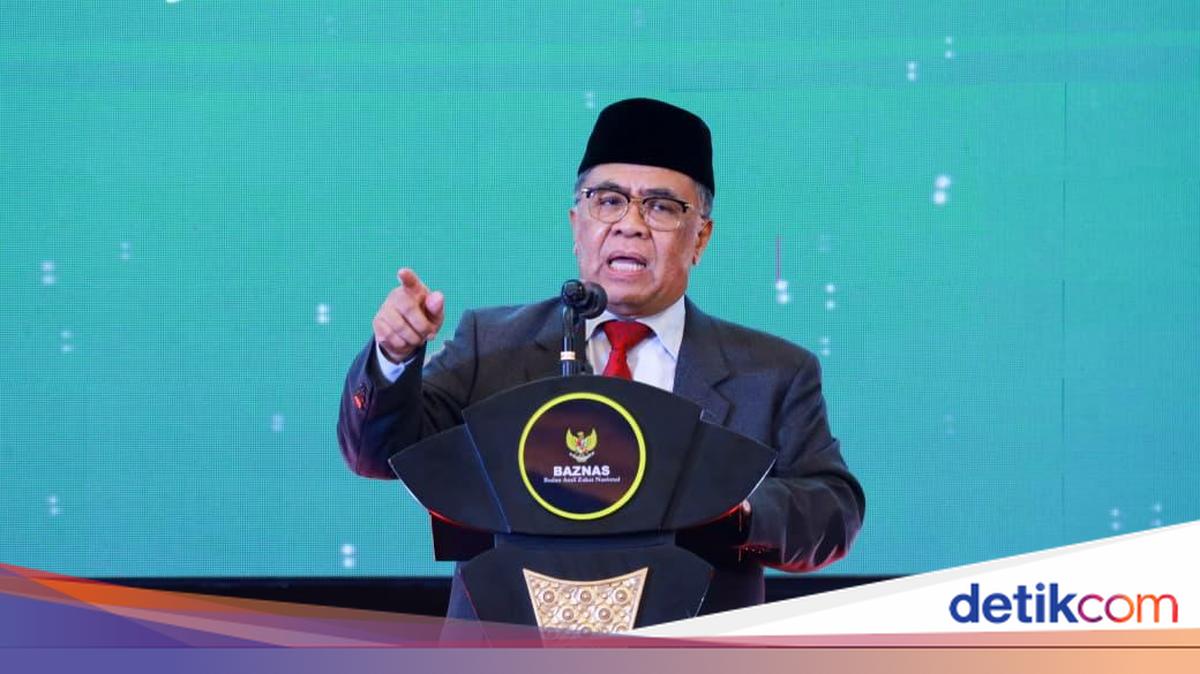
Indonesia’s National Zakat Agency (BAZNAS), together with provincial and district/city BAZNAS offices across the country, held a National Coordination Meeting in Jakarta on 13–15 August 2026. The meeting produced 10 resolutions on zakat as a shared effort to strengthen management that is trustworthy, measurable, collaborative and capable of delivering tangible benefits to public welfare.
The resolutions were read out by Saidah Sakwan, head of BAZNAS RI’s Organisation, Institutional Affairs and Regional Development, in the presence of BAZNAS RI chair Sodik Mudjahid, deputy chair Zainut Tauhid Sa’adi, other BAZNAS RI leaders and 1,300 representatives from provincial, district and city offices across Indonesia. The reading was accompanied by the launch of the BAZNAS Strategic Plan 2026–2031.
Sodik stressed that the resolutions from the 2026 BAZNAS National Coordination Meeting must not stop at agreements and programme planning. All the meeting’s outcomes, including the Resolution on Zakat Jihad for National Welfare, must be translated into concrete action in the regions.
He said that, as an institution managing funds entrusted by the public, BAZNAS must ensure zakat is used optimally to improve people’s welfare through distribution, utilisation and empowerment programmes.
“Over three days, we have gathered, held discussions, shared different views and formulated strategic steps to strengthen national zakat management. Let us implement the Zakat Jihad Resolution as a climb: our climb to eradicate poverty, improve welfare, mobilise as much zakat, infaq and sadaqah as possible, and distribute it on time and in the right amounts,” Sodik said in a written statement on Friday (16 October 2026).
Sodik said all commitments, determination, missions and programmes in the resolutions must be pursued in earnest to realise khairu ummah (the best community). The aim is to build a prosperous and economically independent Muslim community able to bring compassion, benefit, positive influence and dignity to all communities and groups in Indonesia.
Saidah Sakwan said the resolutions adopted at the 2026 BAZNAS National Coordination Meeting reaffirmed Zakat Jihad as a joint effort to strengthen zakat management that is trustworthy, measurable, collaborative and beneficial to public welfare.
“With the spirit of one vision, one direction and one national zakat movement, we declare our shared commitment to making zakat a force for development, poverty reduction, community empowerment and Indonesian humanitarian solidarity,” Saidah said.
She added that the meeting had underlined the importance of a unified vision, stronger collaboration and accountable governance in making zakat an instrument of national development.
“This shared commitment is expected to broaden the benefits of public funds, accelerate poverty reduction and improve people’s welfare from the national level down to villages,” she said.
The 10 resolutions adopted by BAZNAS, provincial BAZNAS offices and district and city BAZNAS offices are:
To work towards collecting Rp70 trillion nationally in zakat, infaq, sadaqah and other religious social funds by 2027. This will be pursued through stronger national and regional regulations; zakat education from an early age through Manasik Zakat; cooperation with various parties; and improvements to staff and institutional capacity. Other measures include better services for muzaki (zakat payers), digitalisation and innovation in collection channels, stronger public trust in BAZNAS, and a broader collection base through the eight zakat sources set out in Article 4 of Law No. 23 of 2011 and the development of 23 other religious social-fund sources.
To optimise national distribution, empowerment and utilisation programmes, reaching 48 million mustahik (zakat recipients) and other beneficiaries effectively, measurably and in an integrated way, while ensuring that public funds deliver tangible improvements to their welfare.
To work with the government towards lifting 601,000 mustahik, or 2.41 million beneficiaries, out of poverty in 2027 through measurable and sustainable zakat distribution, empowerment and utilisation programmes focused on greater self-reliance and welfare.
To strengthen cooperation with local governments at provincial, district/city, sub-district and village levels, integrating zakat management with regional development agendas and extending its reach to communities at the most local level.
To activate all village-level Zakat Collection Units (UPZ) across Indonesia as the frontline of community zakat services, bringing collection, services for muzaki, records of mustahik and distribution closer to the public.
To protect the reputation of BAZNAS and the trust placed in it by muzaki, the President, the government and the public in carrying out its zakat-management mandate, through governance that is trustworthy, transparent, professional, compliant with regulations and accountable.
To strengthen collaboration with business networks and professional groups through outreach, partnership and action, making businesses and professional groups strategic partners in expanding collections and delivering impactful social and economic programmes.
To support stronger institutional standing, authority and legal certainty for BAZNAS in national zakat-management regulations. This includes strengthening cooperation with Bappenas and Bappeda, using DTSEN as a reference for zakat management, and adopting the National Zakat Index to measure performance at national and regional levels.
To strengthen coordination and cooperation with the Attorney General’s Office and the Indonesian National Police to uphold compliance, security and integrity in zakat management, ensuring that public funds are managed responsibly and protected from misuse.
To respond rapidly to natural disasters and humanitarian and social emergencies at local, national and global levels through fundraising and practical action on the ground.
The event was also attended by BAZNAS RI members Syarifuddin, Neyla Saida Anwar, Mokhamad Mahdum, Rizaludin Kurniawan and Idy Muzayyad, as well as ex-officio members Abu Rokhmad, Agus Fatoni and Mochamad Agus Rofiudin.
Source: jawawa.id (https://jawawa.id/newsitem/baznas-2026-10-resolutions-on-zakat-targets-and-poverty-reduction-1792122750)
Originally published by detikcom (https://news.detik.com/berita/d-8709582/10-resolusi-baznas-2026-dari-target-zakat-hingga-pengentasan-kemiskinan), translated from Indonesian