
Battery Waste Management Becomes Focus of Industrial Development
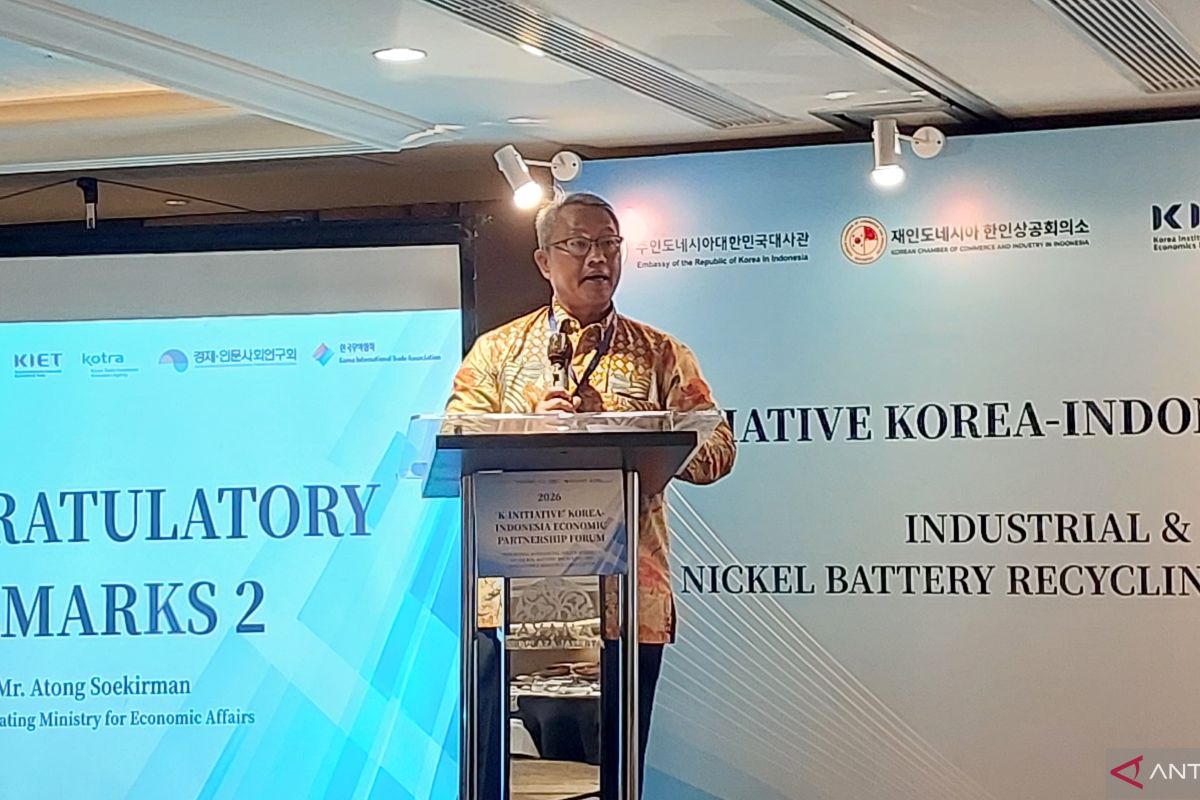
Assistant Deputy for Metal, Machinery, Transportation Equipment, Electronics, and Miscellaneous Industry Development at the Coordinating Ministry for Economic Affairs, Atong Soekirman, stated that the development of the battery ecosystem industry is currently focused not only on expansion but also on controlling battery waste after production. “This is a hot issue for us right now, because it is not just about developing the industry, especially for EVs, but how we manage the waste. This is an issue the government is currently addressing,” Atong said at the Korea-Indonesia Economic Partnership Forum in Jakarta on Wednesday. In line with the 2025-2029 Medium-Term Development Plan (RPJM), electric vehicles are one of the policies supporting downstream industrialisation and increasing the added value of the country’s natural resources. The domestic EV market is showing positive momentum with sales of approximately 103,000 units in 2025. Batteries using lithium and iron phosphate dominated the increase in electric car usage in Indonesia at around 96 percent in 2024, while nickel and manganese accounted for about 4 percent. The rising use of electric vehicles presents challenges, particularly the increase in electronic waste and used battery volumes globally. “Indonesia must be better prepared regarding the waste management system. As the number of battery electric vehicles increases and batteries reach their end of life, a battery management system is crucial to ensure the sustainability of critical material supply,” he added. Atong noted that if waste management is executed well, it could influence more relevant indicators to inspire other developing countries. He said the adoption of technology from other countries in mining and production can be carried out with a circular economy approach, which is very important in recycling crucial mineral materials to support the sustainability of the battery industry. This includes focusing on product development innovation and manufacturing design that can increase added value through technology adaptation. Implementing a circular economy is important to establish mechanisms that ensure electric vehicle batteries can be managed until end-of-life, a responsible policy already in place in many jurisdictions, including Japan, South Korea, and Singapore. Strengthening this policy is expected to increase global demand for electric vehicle batteries, projected to rise from 1 ton in 2024 to 3 tons in 2030, with a battery lifespan of 8-12 years. Therefore, stronger regulations, collective management, and recycling system facilities will help build a sustainable electric battery industry ecosystem.