
Battery cost drop fails to lower EV prices, study finds
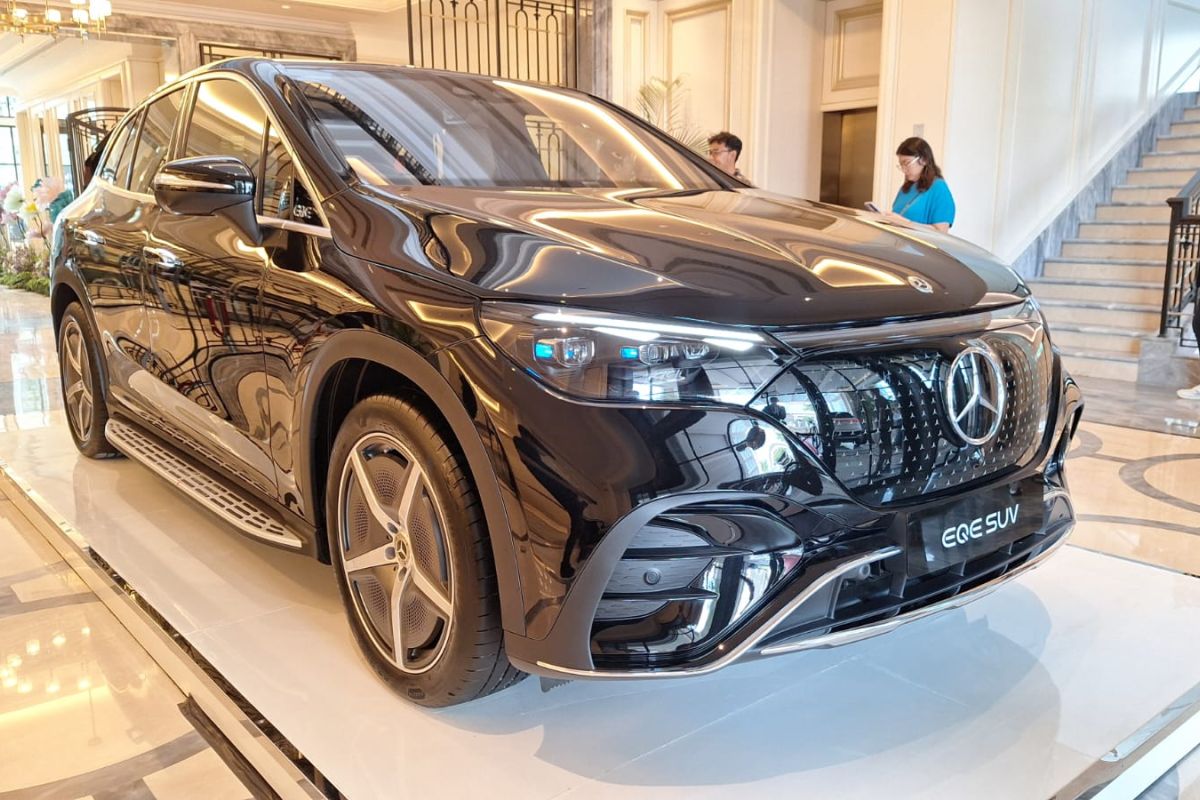
A recent study by the International Council on Clean Transportation (ICCT) examining the German automotive market has found that a significant drop in battery costs over the last five years has not translated into cheaper electric vehicles (EVs) for consumers. The research, which analysed more than 100,000 passenger car configurations marketed in Germany between 2020 and 2025, indicates that battery costs have fallen by approximately 35 per cent in real terms. Over the same period, EV prices decreased by only around 18 per cent after adjusting for inflation, vehicle weight, power, battery capacity, and range. By comparison, internal combustion engine vehicles saw a price increase of roughly 2 per cent.
Manufacturers are not fully passing the savings on to buyers. Instead, much of the cost efficiency is being reinvested into product improvements, such as increasing battery capacity for greater range, boosting vehicle performance, and adding new safety and technology features. The savings also help cover research and development costs for next-generation vehicles. An interesting phenomenon highlighted by the study is that the average price of an electric car in the German market has actually risen, from around 38,000 euros in 2020 to approximately 54,000 euros five years later. This increase is not because individual models have become more expensive, but rather because the selection of EV models has expanded dramatically from 38 to 159, with a notable shift towards larger, more expensive vehicles. The availability of affordable small electric cars remains limited, with mini and small cars accounting for only about 14 per cent of all battery electric vehicle models sold during the study period.
Although the study focuses on the German market, its findings offer important insights into the dynamics of the global EV industry. The reduction in battery costs does create opportunities for more competitive electric vehicles, but it does not automatically lead to lower retail prices. In many cases, manufacturers are using the efficiency gains to deliver vehicles with longer range, more advanced technology, and higher specifications, thereby increasing product value without making drastic price cuts.