
Batang, Pekalongan and Brebes Ramp Up Milk Production to Meet National Demand
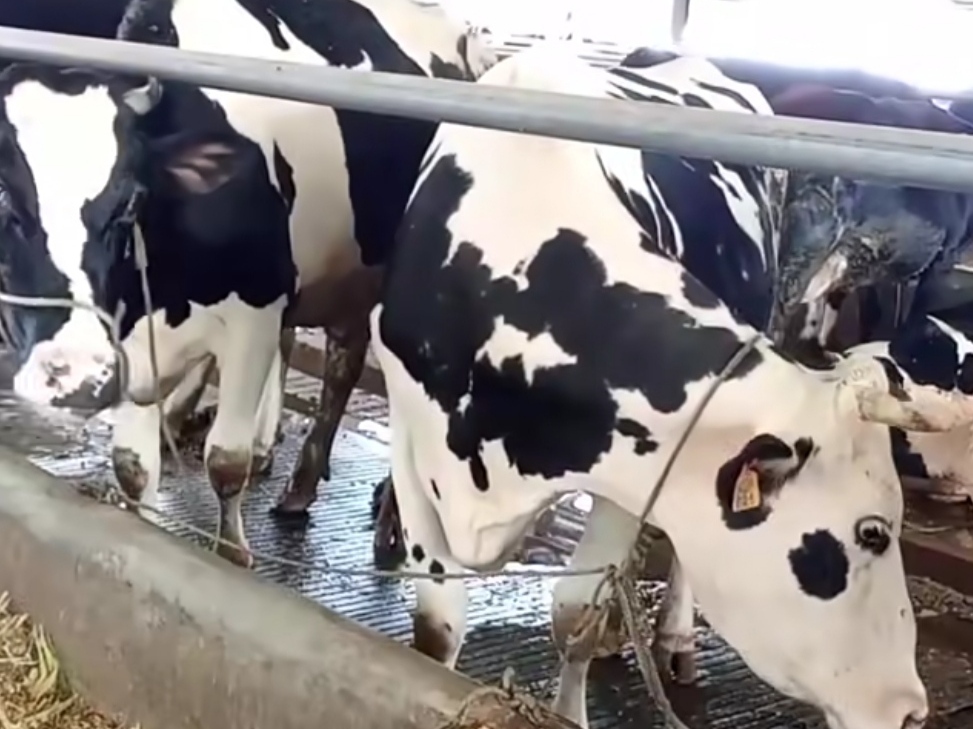
The map of dairy cattle production in Central Java is undergoing a significant shift. While production was previously dominated by southern and central regions, the Northern Coast (Pantura) areas such as Batang, Pekalongan, and Brebes are projected to become the new backbone of the national dairy industry.
This strategic move aims to meet domestic milk demand, which still heavily relies on imports, while supplying the growing dairy processing industry in Batang’s industrial zone.
According to Media Indonesia’s monitoring on Wednesday (27 May), Batang and Pekalongan have begun intensive development of dairy cattle. Although their populations are not yet as large as traditional centres, their presence is a breath of fresh air for Central Java’s industrial ecosystem.
Andiningtyas Mula Pertiwi, Head of the Livestock Section at the Central Java Provincial Agriculture and Livestock Office, stated that the establishment of a large dairy plant in Batang is the main driver of this development. In Reban District, Batang, 150 dairy cows are currently available as an initial phase.
‘Previously, dairy production was dominated by southern and central parts of Central Java, but now several Pantura regions are also developing dairy cattle following the establishment of the Batang dairy plant,’ said Andiningtyas.
One of the most ambitious projects is the development of a Mega Farm in Brebes Regency. Agung Suganda, Director General of Livestock and Animal Health (PKH) at the Ministry of Agriculture, stated that the Brebes facility is projected to contribute up to 18% of national milk production.
This figure is crucial given that domestic milk production currently stands at around 1 million tons per year, while national demand has surged to 4.7 million tons. This means approximately 80% of Indonesia’s milk needs are still met through imports.
‘With the significant additional production from Brebes, we can reduce import dependency and potentially elevate Central Java’s position to match that of East Java,’ Agung Suganda emphasised.
To accelerate target achievement, Central Java plans to import 40 high-quality dairy cows from Australia this year. These cows will not only be used for milk production but also as premium breeding stock managed by Technical Implementation Units (UPT).
This initiative is expected to contribute to regional revenue (PAD) and improve the economic status of local farmers through more modern and measured breeding schemes.
Currently, dairy production centres in Central Java remain concentrated in highland areas with cool climates, among others. The presence of Batang, Pekalongan, and Brebes as new players along the Pantura is predicted to reshape the dairy industry’s competitive landscape while strengthening national food security in the livestock sector. (AS/E-4)