
Batam Port Transformation: A Strategy to Seize Logistics Sovereignty in the Malacca Strait
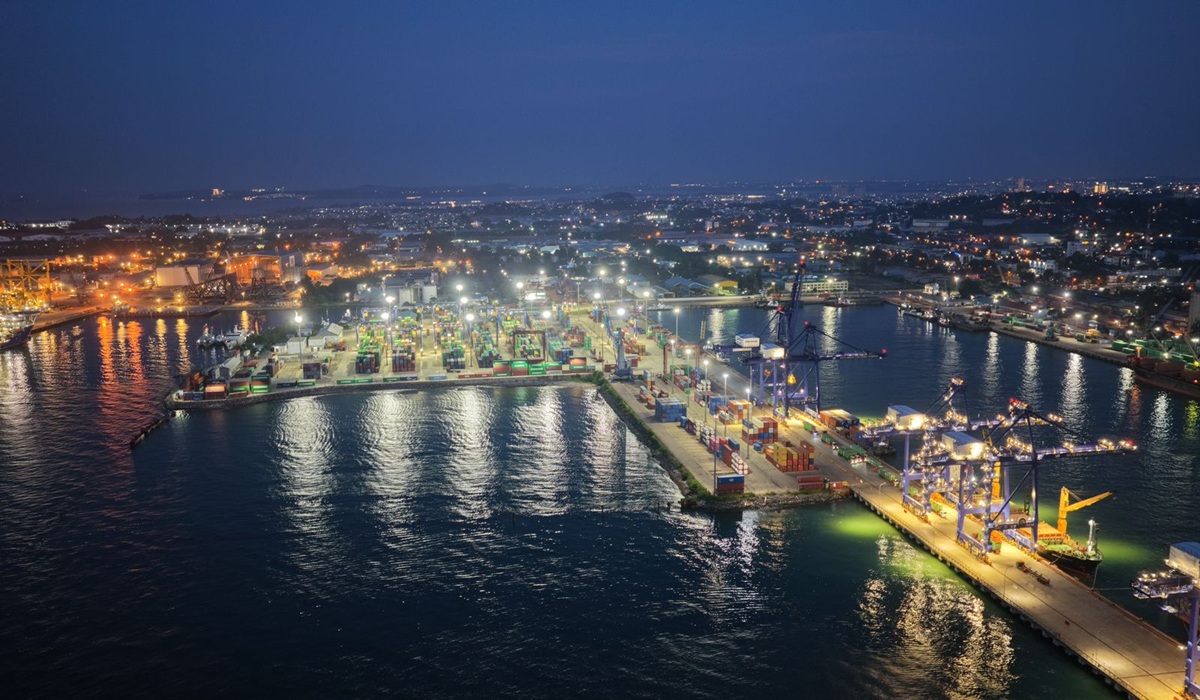
Indonesia is being urged to immediately optimise its geographical advantage in the Malacca Strait to establish national logistics sovereignty. This move is considered crucial for increasing economic value in the global trade chain, which has largely been enjoyed by neighbouring countries.
Dr Lindasari Novianti, Chairperson of Women in Logistics and Transport (WILAT) Kepulauan Riau, stressed that the debate over tariff adjustments and operational reforms at Batam’s port should not be viewed solely from a short-term cost perspective. She stated that it is part of a long-term strategic transformation to strengthen Indonesia’s bargaining position.
“The Malacca Strait is a strategic global shipping lane. Ironically, although Indonesia controls most of these waters, the high-value economic benefits and logistics services are still largely enjoyed by logistics hubs outside Indonesia,” Lindasari said.
She explained that dependence on external logistics ecosystems creates strategic vulnerabilities. Global disruptions, from the pandemic to geopolitical conflicts, have proven that countries without strong domestic logistics capacity will lose economic flexibility. Therefore, the transformation policy at Batam Port, including the tariff structure adjustment by the Batam Indonesia Free Zone Authority (BP Batam), must be seen as an investment to build national capacity.
She cited the success of countries like Singapore, Malaysia, Vietnam, and South Korea, which built their logistics sectors through supportive policies and institutional reform. Lindasari emphasised that the main issue is not merely cheap tariffs, but the political will to make Batam an instrument of economic sovereignty. Strengthening the port is a national agenda to reclaim economic value that has been “slipping away” right before our eyes.
“While other countries are racing to build alternative logistics corridors, Indonesia already possesses a natural geographical advantage that others lack. We cannot forever remain just a transit point for the profits of other nations,” she concluded.