
Batam Port Reform: Tariff Adjustment for Global Competitiveness
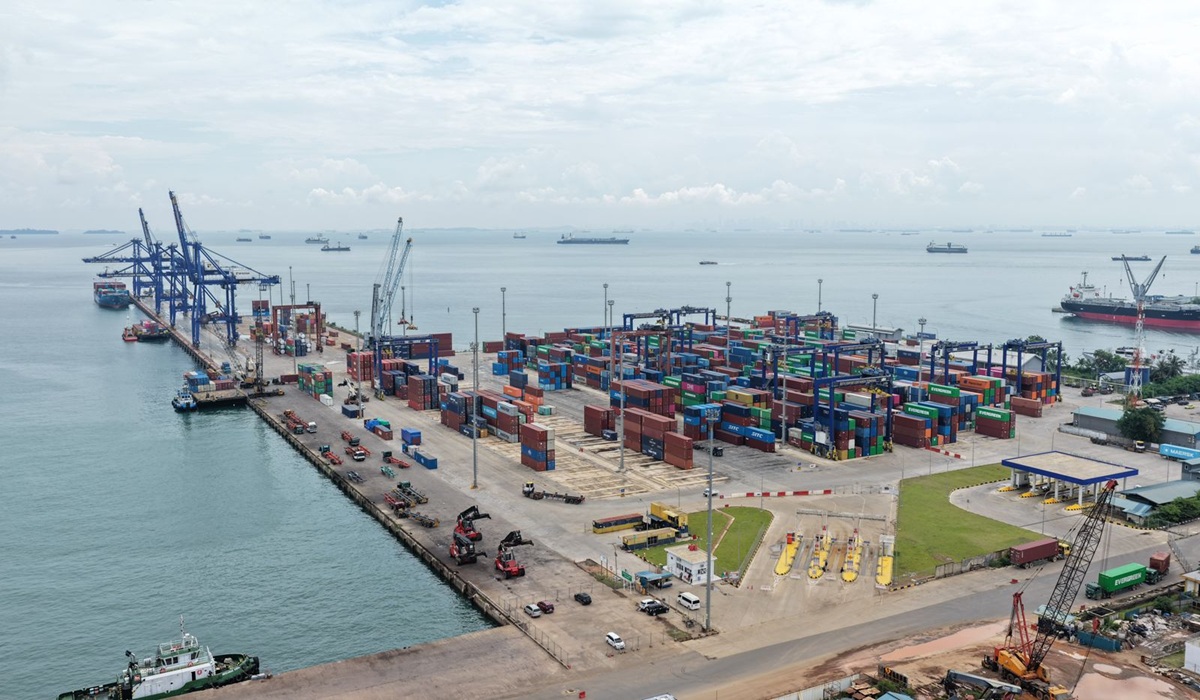
The adjustment of tariffs and changes to operational patterns at Batam’s ports are considered not merely a fee increase policy, but an integral part of a major reform to enhance national logistics productivity and competitiveness. This move is seen as a crucial prerequisite to strengthen Batam’s position as a regional logistics gateway in the ASEAN arena.
Logistics academic from Batam Polytechnic, Dian Mulyaningtyas, stressed that port efficiency is highly dependent on adequate infrastructure investment, service quality, and sustainable operational governance. According to her, tariff reform is a common stage undertaken by major ports before achieving a significant increase in trade volume.
“Referring to the 2023 UNCTAD study, hub ports in ASEAN such as PSA Singapore, Port Klang in Malaysia, and Cai Mep–Thi Vai in Vietnam underwent tariff reforms and operational restructuring before experiencing a surge in connectivity,” said Dian.
The transformation carried out at Batu Ampar Port is beginning to show tangible results. Based on the data presented, container volume in Batam recorded positive growth, with the Batu Ampar Terminal dominating approximately 84 percent of the total throughput.
Dian asserted that this achievement proves the market is responding positively to the improvement in service quality. She refuted the notion that tariff adjustments automatically reduce competitiveness. On the contrary, port competitiveness is determined by service reliability, shipping frequency, and low dwelling time.
UNCTAD data shows that countries with the highest shipping connectivity, such as Singapore and Malaysia, actually operate ports with tariff structures that support sustainable reinvestment in digitalisation and infrastructure. This is in line with the current strategy of the Batam Indonesia Free Zone Authority (BP Batam).
“The main challenge is not whether tariffs need to be adjusted, but ensuring that the increase in revenue is transparently translated into real investment,” Dian added.
With consistency in implementing this reform, Batam is predicted to be able to follow in the footsteps of leading transhipment ports in ASEAN, combining governance modernisation with strengthened operational capacity to become the backbone of national logistics.