
Basic Commodity Prices Rise at Beringharjo Market, Leaving Sellers and Buyers Struggling
The prices of essential household commodities have continued to rise over the past few days at Beringharjo Market in Yogyakarta. This trend is significantly impacting both the income of sellers and the purchasing power of consumers.
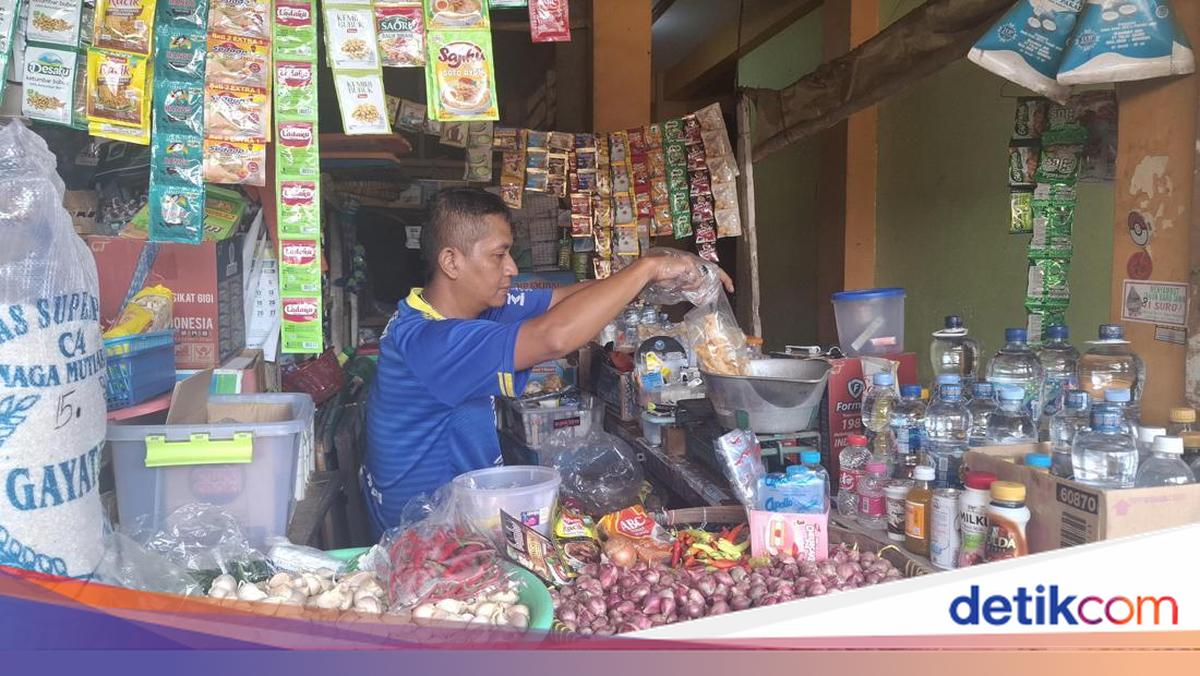
Observations at Beringharjo Market around 11:15 WIB showed numerous traders waiting for customers at their stalls, arranging goods such as vegetables, garlic, shallots, and chillies. The market area appeared unusually quiet, with few shoppers passing through.
Joko, a basic necessity trader, noted that almost all essential goods have increased in price, with garlic seeing the most significant spike over the last three days. “Almost everything has risen on average, but the most drastic increase is garlic over the last two days. Usually, the wholesale price is Rp 30,000, but now it has reached Rp 35,000. The selling price has moved from Rp 35,000 to Rp 40,000,” Joko said on Sunday (8/6/2026).
He also mentioned price increases for shallots, cooking oil, and rice. “Shallots were previously purchased at Rp 48,000, but now they are around Rp 54,000 to Rp 55,000. Rice has also increased, though only by about one thousand rupiah. For ‘Minyakita’ cooking oil, you could previously get it for under Rp 20,000, but now most are priced above Rp 20,000,” he added.
Another trader, Kardi, echoed these sentiments, stating that garlic prices have risen more significantly than other commodities. “In the last three days, the price of Kating garlic has risen to Rp 38,000 from Rp 30,000. This is the highest price increase we have seen this year; we are at the peak of garlic prices,” Kardi explained.
Both Joko and Kardi admitted that the rising costs are severely affecting their turnover. “It has a huge impact on sales; it is usually busy, but now it tends to be quiet. My turnover used to be around Rp 1 million, but now it is around Rp 600,000,” said Joko.
Kardi added, “The impact is massive; the number of buyers is decreasing. For about a week now, very few people have been buying. Sales have dropped by approximately 20 percent.”
The price hikes are also affecting consumers, such as Sri, a resident of Yogyakarta, who is having to rethink her household budget. “In my opinion, almost everything has gone up. I usually buy rice for Rp 14,000, but now it is Rp 16,000. Garlic and shallots have also risen to around Rp 40,000,” she said.
“It is confusing to try and manage expenses; logically, the math just doesn’t add up. We have no choice but to be frugal,” she concluded.