
Barantin: Traceability Inspections Strengthen Biosecurity Implementation
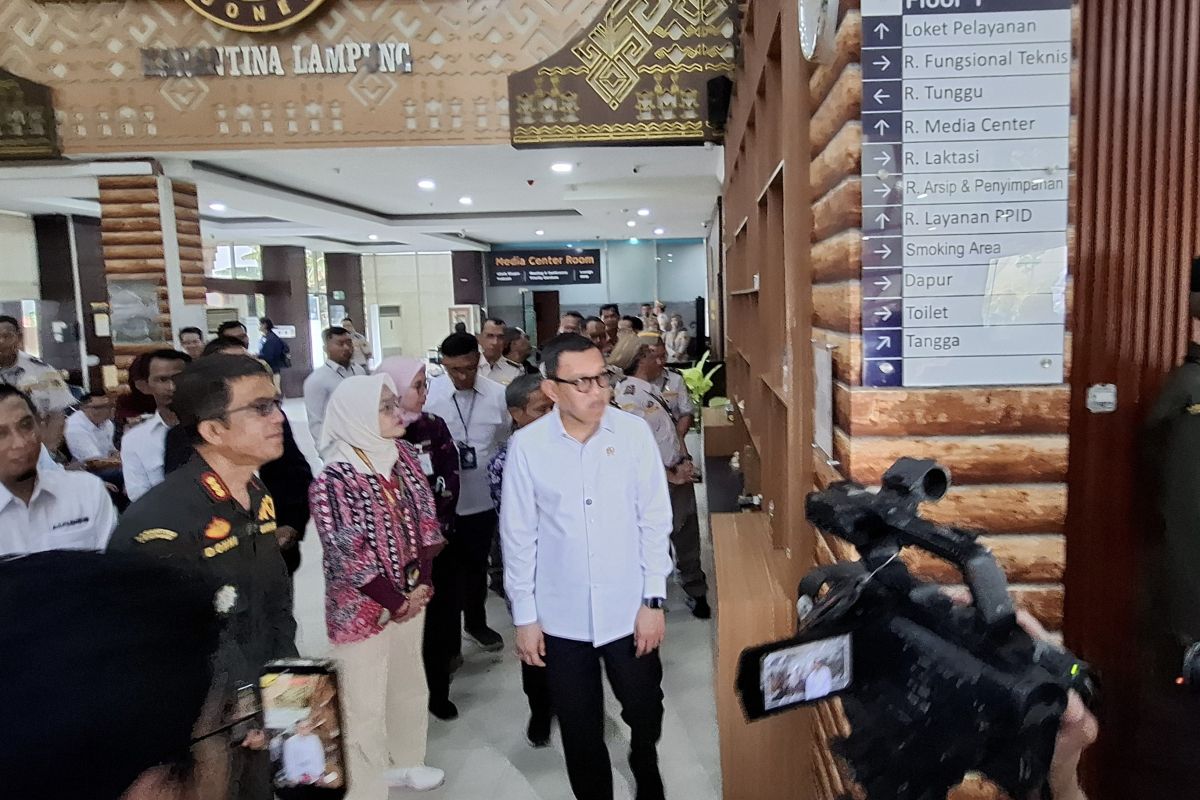
The Head of the Indonesian Quarantine Agency (Barantin), Abdul Kadir Karding, stated that traceability inspections for plant and animal seeds are becoming a key step in strengthening biosecurity implementation across all regions.
“Currently, in the execution of exports and imports, it is not enough to merely ensure that plant seeds or livestock are healthy and legally documented from an administrative perspective. Domestic and international buyers primarily look for traceability to identify the origin of the plant or animal seeds,” said Abdul Kadir Karding in Bandar Lampung on Friday.
He continued that by conducting traceability inspections through quarantine procedures, the spread of fungi or diseases between regions or countries can be prevented, which has the potential to damage plantation, agricultural, or fishery ecosystems.
“This is also part of maintaining security and strengthening biosecurity. Thus, insects, plant pests, and harmful organisms can be detected, ensuring that populations of animals and plants in every region remain well-protected,” he added.
Karding described this function as a non-military defence mechanism that must be continuously strengthened by the Indonesian Quarantine Agency. He cited the 2022 outbreak of Foot and Mouth Disease (FMD) in cattle entering Indonesia as a costly example, noting that the state has had to spend Rp38.6 trillion on recovery efforts to eradicate the disease and restore cattle health.
Furthermore, the agency is committed to providing rapid inspection services for export decisions and the issuance of certifications. “We strive for exports to be fast, while ensuring that inspection standards are met to guarantee biosecurity. However, for high-risk commodities, we continue to follow international rules and regulations to ensure everything being transported is safe from diseases and pests,” concluded Abdul Kadir Karding.