
Barantin Strengthens Oversight to Safeguard Export Access to China
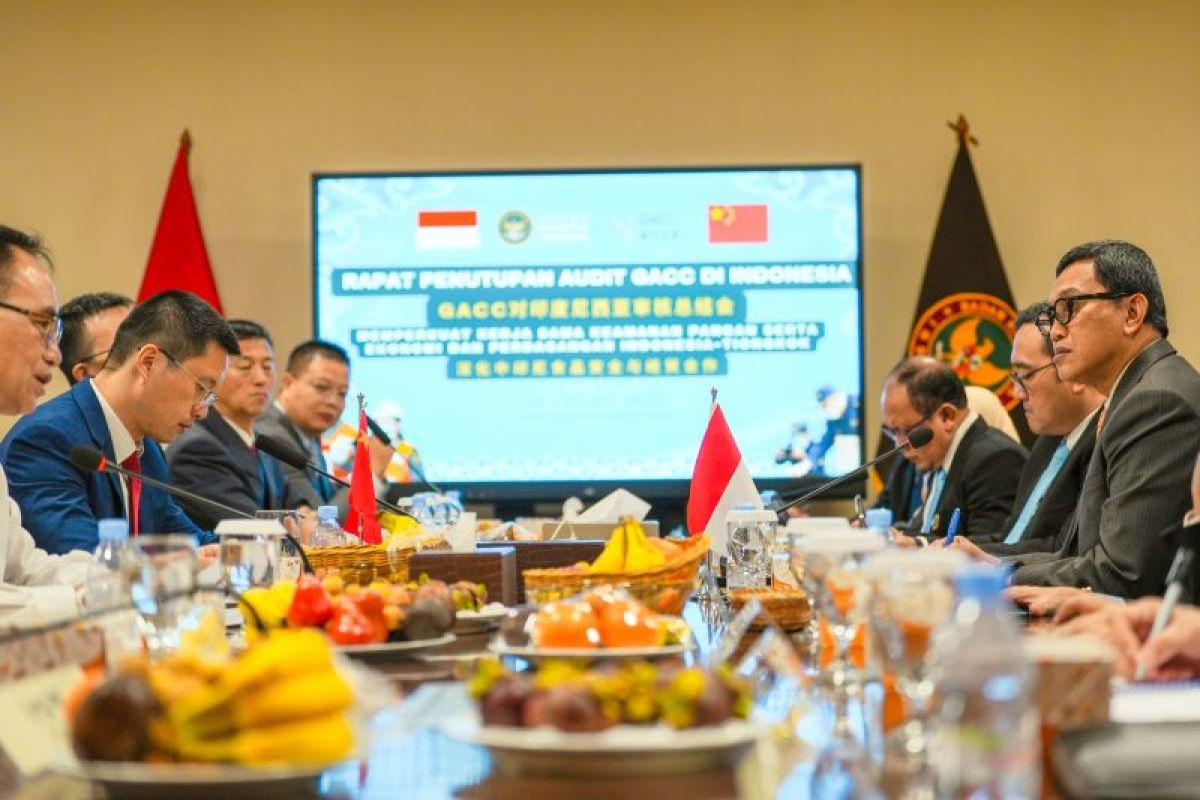
The Indonesian Quarantine Agency (Barantin) is strengthening oversight and business compliance to maintain China’s trust and ensure the sustainability of Indonesian commodity exports to that market. Barantin Head Abdul Kadir Karding stated that the agency will follow up on all recommendations from the supervision audit conducted by the General Administration of Customs of the People’s Republic of China (GACC). “International market trust is an asset that must be maintained together. Therefore, Barantin will follow up on all audit recommendations quickly, transparently, and measurably,” Karding said in an official statement received in Jakarta on Sunday. He added that the follow-up is necessary to ensure Indonesian products continue to meet the requirements of destination countries and become more competitive in the global market. The supervision audit began on Monday, 20 July 2026, marked by an opening meeting for the GACC inspection assistance organised by Barantin. The audit is part of Indonesia-China cooperation to strengthen food safety assurance and support smooth international trade. During the process, both countries established open and constructive communication to ensure the quarantine supervision system operates according to international standards. China holds a strategic position for Indonesian trade. Statistics Indonesia (BPS) recorded China as Indonesia’s largest non-oil and gas export market in 2025, with a value of USD 58.24 billion, contributing 23.80 percent to total national non-oil and gas exports. For the swiftlet nest commodity, GACC provided several notes, including aluminium content that still exceeds standards in some products, the need to strengthen traceability systems up to swiftlet houses, and increased supervision of company compliance. The Indonesian Swiftlet Nest Entrepreneurs Association (PPSBI) stated in early July 2026 that 19 out of approximately 50 Indonesian exporting companies had been temporarily suspended from exporting by Chinese authorities due to aluminium content issues. PPSBI data indicates that the export volume of Indonesian swiftlet nests to China reaches around 400 to 500 tonnes per year through companies not affected by the suspension. Karding confirmed that Barantin is ensuring the companies in question promptly complete corrective actions, tightening supervision of swiftlet houses and exporters, and reporting progress transparently to the GACC. Meanwhile, for fishery commodities, the audit results showed that Indonesia’s supervision system is running well, although implementation still needs strengthening, particularly in hygiene and sanitation, temperature and cold chain control, documentation, traceability, and coordination between Barantin and the Ministry of Marine Affairs and Fisheries. Ministry data shows the value of Indonesian fishery exports in 2025 reached USD 6.27 billion, an increase from USD 5.95 billion in 2024. Karding emphasised that compliance with destination country requirements is also crucial for the sustainability of fishery product exports. Barantin will strengthen integrated supervision, ensure the implementation of corrective action plans, and enhance coordination and data exchange so that export requirements are met from the raw material stage to product dispatch. For plant commodities, GACC assessed that most basic requirements have been met, though several aspects still need refinement, including traceability, pest control, environmental monitoring, quality management, food safety critical point control, and laboratory capacity. As a follow-up, Karding said Barantin will strengthen supervision policies and enforce compliance against all business actors. Companies that fail to meet agreed protocols and requirements will face suspension of export activities until all corrective actions are completed and verified. He explained that this measure is a form of government commitment to maintaining the credibility of the national quarantine system while protecting the reputation of Indonesian products in the international market. Barantin believes that consistent implementation of audit recommendations, strengthened regulations, and enhanced collaboration with GACC can safeguard export access to China and expand opportunities for national products in the global market.