
Barantin: Macaque exports strictly regulated for research purposes only
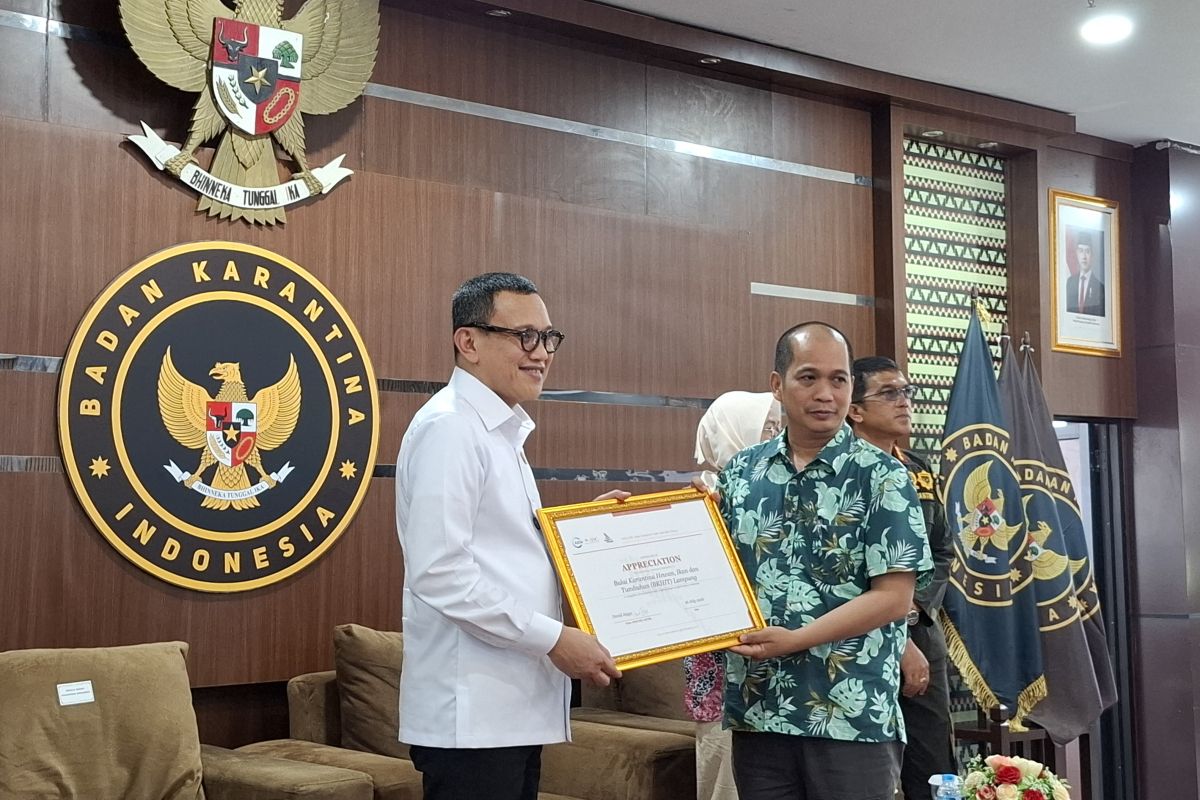
The Head of the Indonesian Quarantine Agency (Barantin), Abdul Kadir Karding, stated that the export of macaques, or long-tailed monkeys, from Lampung is strictly regulated and reserved solely for research purposes. During the inauguration of a macaque development installation in Bandar Lampung on Friday, Karding noted that current exports are permitted only to the United States and must be sourced from controlled breeding facilities rather than wild capture.
Karding explained that the export process is highly regulated; macaques must reside in breeding installations for two years, meet specific health standards, and be free of disease, with the entire process overseen by multiple authorities. The breeding facility, located in Mesuji Regency, is one of only a few such installations in Lampung, Sulawesi, and the Thousand Islands. He emphasised that these exports are strictly for research and are not permitted for consumption.
The development of macaque breeding is being pursued because the species has a large population and is increasingly viewed as a pest due to their high food consumption. The export process requires recommendations from the National Research and Innovation Agency (BRIN) regarding quantities, as well as approval from the Ministry of Forestry regarding species permitted for breeding. While the procedure is complex, Karding noted it serves as a solution to mitigate pest issues while providing economic benefits.
Macaques are selected for research due to anatomical and cellular similarities to pigs and humans. While the current market in the US is relatively small, negotiations are ongoing regarding requirements for the Chinese market, which has a potential demand of approximately 20,000 monkeys per year, compared to 10,000 in the US. Prices can exceed IDR 10 million per animal, and all activities are conducted through international research collaborations.
Reki Chandra, Director of Biomedikal Nusantara, added that approximately 1,000 macaques are exported from Lampung annually. The first generation (F1) of the breeding programme originates from animals captured in Mesuji, Tulang Bawang, and West Tulang Bawang, specifically those that had negative interactions with local communities. By bringing these animals into breeding facilities, the programme aims to reduce human-wildlife conflict caused by monkeys raiding crops.
The breeding installation in Mesuji covers approximately 4.9 hectares with a capacity for up to 4,000 monkeys, currently housing 804 individuals. Chandra highlighted the significant economic potential of this industry, noting that research institutions are willing to pay high prices, ranging from approximately USD 3,000 to USD 4,000 per monkey, depending on age and specific criteria.