
Barantin and BPJPH Sign MoU on Supervision and Labelling of Imported Halal Products
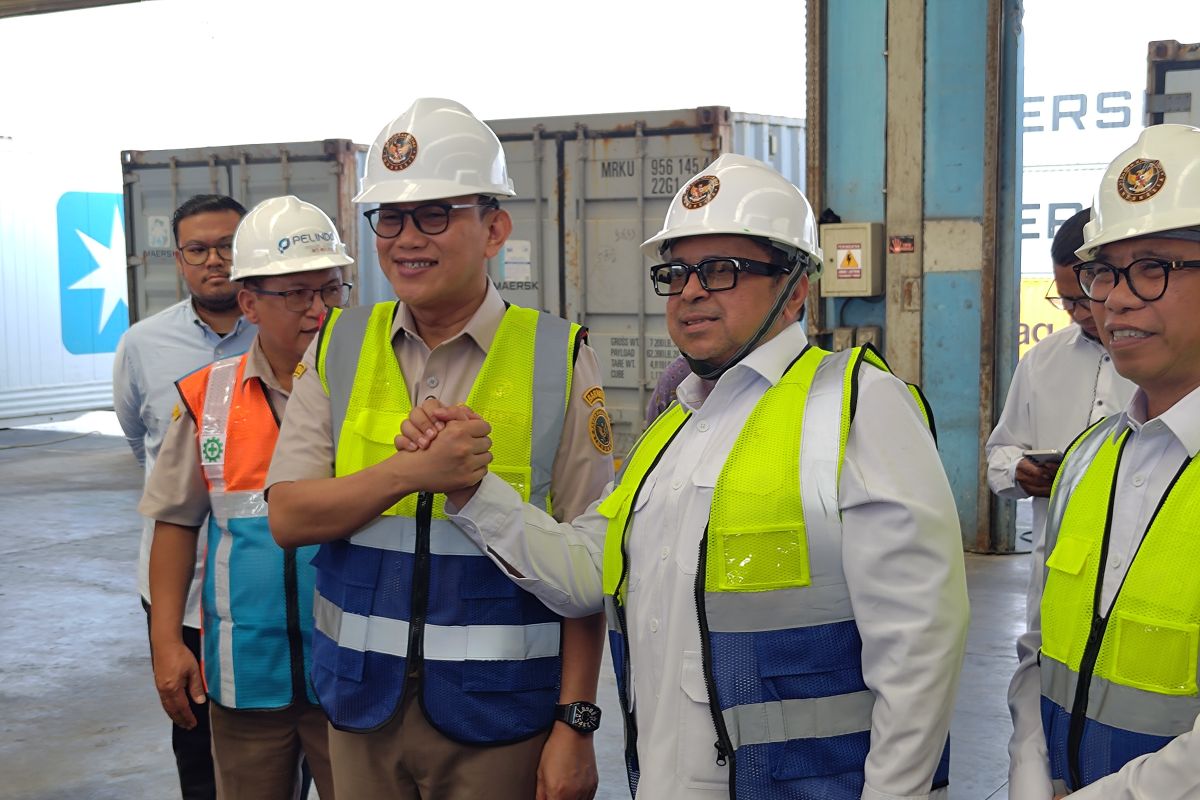
Jakarta (ANTARA) - Badan Karantina Indonesia (Barantin) and Badan Penyelenggara Jaminan Produk Halal (BPJPH) have signed a memorandum of understanding (MoU) to strengthen the supervision of imported products at the nation’s entry points. Head of Barantin Abdul Kadir Karding stated that the cooperation aims to ensure products circulating in Indonesia meet health aspects as well as halal and non-halal labelling requirements. “We are signing this memorandum of cooperation because we understand that products circulating, especially in Indonesia, must be assured of two things. First, they must be healthy, and second, they must be certified (with labels) as halal (or non-halal),” Karding said at Tanjung Priok, Jakarta, on Tuesday. According to him, supervision at the entry points will make inspections of imported products more effective than monitoring after goods have entered the market. “Checking whether something is halal or not in supermarkets or markets is hard work. Therefore, cooperation with Quarantine is needed to block it at the border to make it easier,” he said. Karding explained that the cooperation covers data exchange, joint supervision and control, and coordination of law enforcement against imported products that do not meet halal requirements. He said Barantin has detailed data on goods entering Indonesia, from commodity types, countries of origin, to shipping companies. “At Quarantine, if goods are coming, it’s known; this is meat, from which country, what company, so we just coordinate with BPJPH,” Karding revealed. In addition, the two institutions will also conduct joint education and technical capacity building so that supervision of imported food products and commodities can run more optimally. Meanwhile, Head of BPJPH Haikal Hasan said the cooperation with Barantin is part of strengthening the national halal certification ecosystem. Babe Haikal, his familiar name, explained that BPJPH has currently harmonised around 1,060 HS Codes to support the supervision of halal products entering Indonesia. He said supervision is carried out not only domestically but also through inspections in the countries of origin of the products. After the signing process, BPJPH together with Barantin also inspected several imported products, including meat bone meal or animal feed ingredients. “Meat bone meal for animal feed, if we see some that do not meet halal standards, we will implement and enforce it starting October 2026,” he said. Babe Haikal emphasised that non-halal products are still allowed to circulate in Indonesia as long as they are labelled non-halal in accordance with legal provisions. These provisions are regulated in Law No. 33 of 2014 on Halal Product Assurance, which requires products entering, traded, and distributed in Indonesia to have halal certificates, while non-halal products must be labelled as non-halal. “So non-halal is not prohibited, it’s just labelled so we clearly have choices between halal and non-halal,” he said. Barantin and BPJPH have planned to explore cooperation in supervising imported halal commodities through integration of pre-border, at-border, and post-border supervision to strengthen consumer protection and cross-border trade facilitation since early May. Barantin recorded that the value of export commodities receiving quarantine actions throughout 2025 reached around Rp393 trillion with the issuance of more than 2.6 million quarantine certificates.
Source: jawawa.id (https://jawawa.id/newsitem/barantin-and-bpjph-sign-mou-on-supervision-and-labelling-of-imported-halal-products-1778568877)
Originally published by Antara (Indonesian) (https://www.antaranews.com/berita/5564484/barantin-dan-bpjph-teken-mou-pengawasan-dan-pelabelan-halal-impor), translated from Indonesian