
Barantin and BNN Strengthen Cross-Border Surveillance System Integration
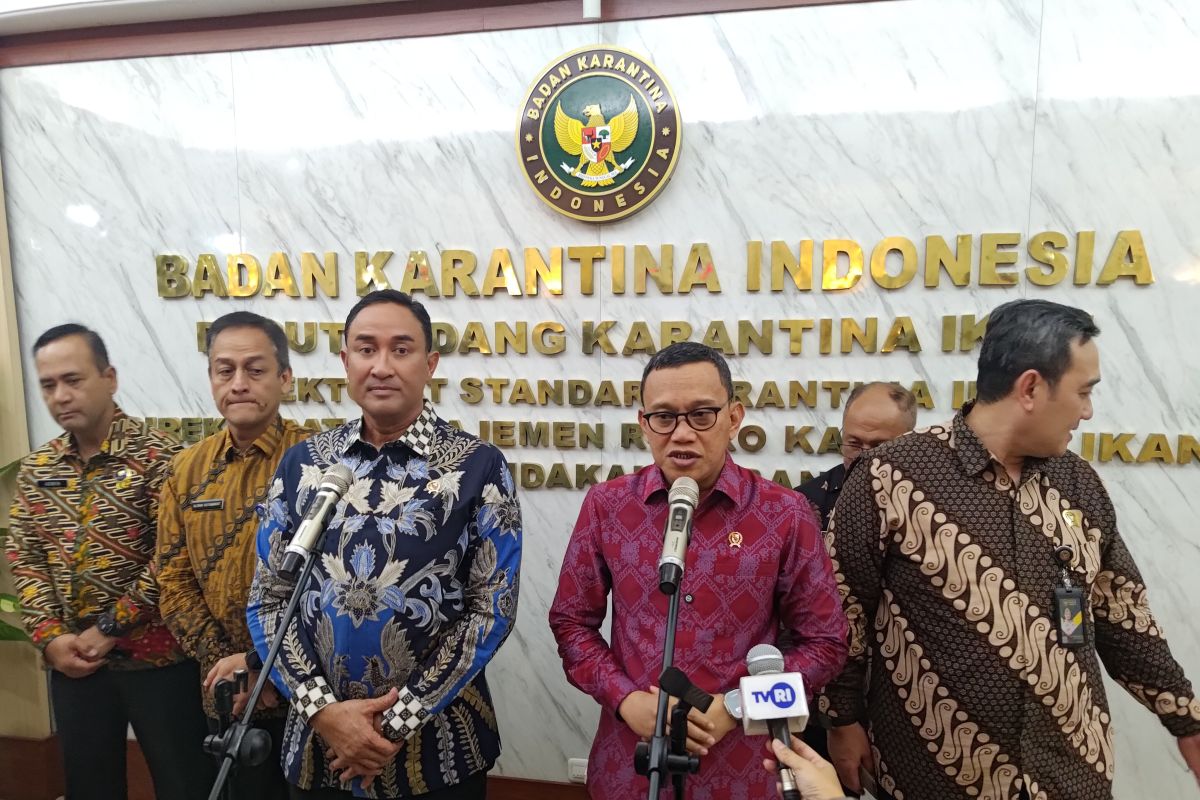
Jakarta (ANTARA) - The Indonesian Quarantine Agency (Barantin) and the National Narcotics Board (BNN) are strengthening cross-border surveillance integration through data exchange and early detection at ports and airports to anticipate evolving narcotics smuggling methods.
Abdul Kadir Karding, Head of the Indonesian Quarantine Agency, stated that narcotics smuggling methods are becoming increasingly complex, with some utilising cross-border routes that fall under quarantine surveillance jurisdiction. “Narcotics modes are constantly evolving, and many pass through borders under the authority of the Quarantine Agency,” Karding said in Jakarta on Thursday.
He noted that strengthening cross-border surveillance requires inter-agency collaboration, as Indonesia experiences high trade traffic and goods mobility through ports, airports, and borders. He added that Barantin possesses tracking and early inspection systems that can support joint surveillance with the BNN. Furthermore, Barantin utilises a data system called ‘Best Trust’, which enables real-time information monitoring to support early detection at national entry points. “We are connecting this with the BNN system. So, as soon as we see something suspicious or a finding at the border, we report it immediately,” Karding explained.
He emphasised that system integration is necessary because smuggling patterns are evolving, including the use of liquid forms. Karding cited a past case involving cannabis from Germany hidden within animal feed commodities, which weighed over 800 kilograms. Barantin data shows that the export value of Indonesian quarantine commodities from January to October 2025 reached Rp304.7 trillion, making strengthened cross-border surveillance vital for maintaining trade fluidity and national biosecurity.
In addition to data integration, Barantin and BNN plan to strengthen surveillance coordination at several high-risk points to prevent narcotics entry. Meanwhile, the Head of BNN, Inspector General Pol Suyudi Ario Seto, stated that current narcotics developments necessitate enhanced inter-agency cooperation as smuggling forms and patterns continue to change. “Currently, it is not just solids, powders, pills, and plants, but also liquid forms,” said Suyermudi.
During ‘Operation Saber Bersinar’ conducted in May 2026, the BNN uncovered 715 cases and seized narcotics evidence valued at Rp211.4 billion. He noted that Indonesia faces significant surveillance challenges due to numerous official entry points as well as unofficial routes that are vulnerable to international narcotics networks. He also highlighted the trend in e-cigarette use, as several cases revealed new types of narcotics, such as etomidate in liquid form, being inserted into vape devices.
Previously, Barantin mentioned that pre-border systems and digital quarantine services have been implemented to accelerate goods flow and reduce waiting times and logistics costs at ports and airports. Consequently, both agencies have agreed to expedite the drafting of a Memorandum of Understanding (MoU) and cooperation agreements to strengthen narcotics surveillance and prevention at the country’s entry points. “We will expedite the signing of the MoU. Teams from the Quarantine Agency and BNN will sit down to study the specifics of this cooperation,” concluded Suyudi.