
Bara di Bongkahan Batu Documentary Highlights Environmental Destruction Similar to 'Pesta Babi'
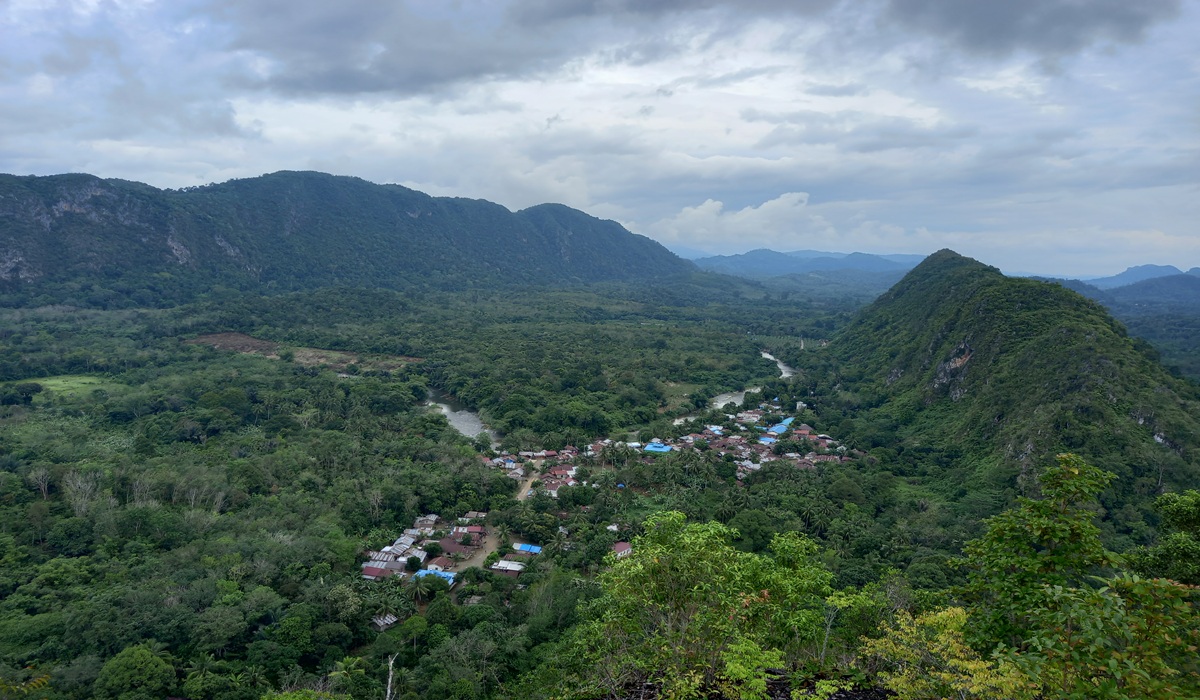
The investigative documentary by Dandhy Laksono and Cypri Dale titled ‘Pesta Babi’ (2026) has gone viral and sparked widespread discussion. The issues highlighted in ‘Pesta Babi’—land seizures under the guise of food security projects in South Papua—also occur in other parts of Indonesia. In South Kalimantan, environmental organisation Wahana Lingkungan Hidup Indonesia (Walhi) produced the documentary ‘Bara di Bongkahan Batu’ in 2023.
‘Bara di Bongkahan Batu’ depicts the suffering of local communities and environmental damage in South Kalimantan due to coal mining. It tells the story of residents losing their land, homes, and livelihoods as a result of destructive mining practices.
“The tragic story of customary land seizures and environmental damage highlighted in ‘Pesta Babi’ is also occurring in many regions, including South Kalimantan,” said Raden Rafiq Wibisono, Executive Director of Walhi South Kalimantan.
The documentary is part of the #SaveMeratus campaign to protect the Meratus Mountains from coal mining expansion.
According to Walhi South Kalimantan’s latest data, the remaining primary forest cover in the province is just 49,958 hectares out of a total area of 3.7 million hectares. This is far smaller than the total area covered by extractive industry permits: 722,895 hectares for PBPH, 559,080 hectares for WIUP, and 645,612 hectares for HGU-dominated palm oil plantations.
Over the past decade, these permit burdens have not been evaluated or reduced, instead contributing to the collapse of environmental carrying capacity. When combined, the permitted areas account for 51.57% of South Kalimantan’s total area. National policies for food and energy security are thus projecting an ecological apocalypse.
“Building the food sector should not involve destroying nature and ecosystems, as seen in Papua’s forests,” stated Dwi Putera Kurniawan, Chairman of the Indonesian Peasants Union (SPI) South Kalimantan. “A similar approach was used in Kalimantan through the 1 million hectare PSN project, which destroyed forest ecosystems but failed to produce food. The land became degraded and unproductive.”
Wira Surya Wibawa, Coordinator of the Social Justice Institute Kalimantan (SJIK), a research and public issue analysis organisation focused on human rights, social justice, and democracy, highlighted the ban on screenings of ‘Pesta Babi’ in various regions.
“I believe this shows a continued fear of critical voices emerging from Papua’s reality,” he said.
Amidst the increasingly evident climate crisis, national policy directions remain entrenched in outdated approaches that exacerbate environmental damage.