
Bappenas Urges Comprehensive Regulatory Framework in Strategic Commodities Bill
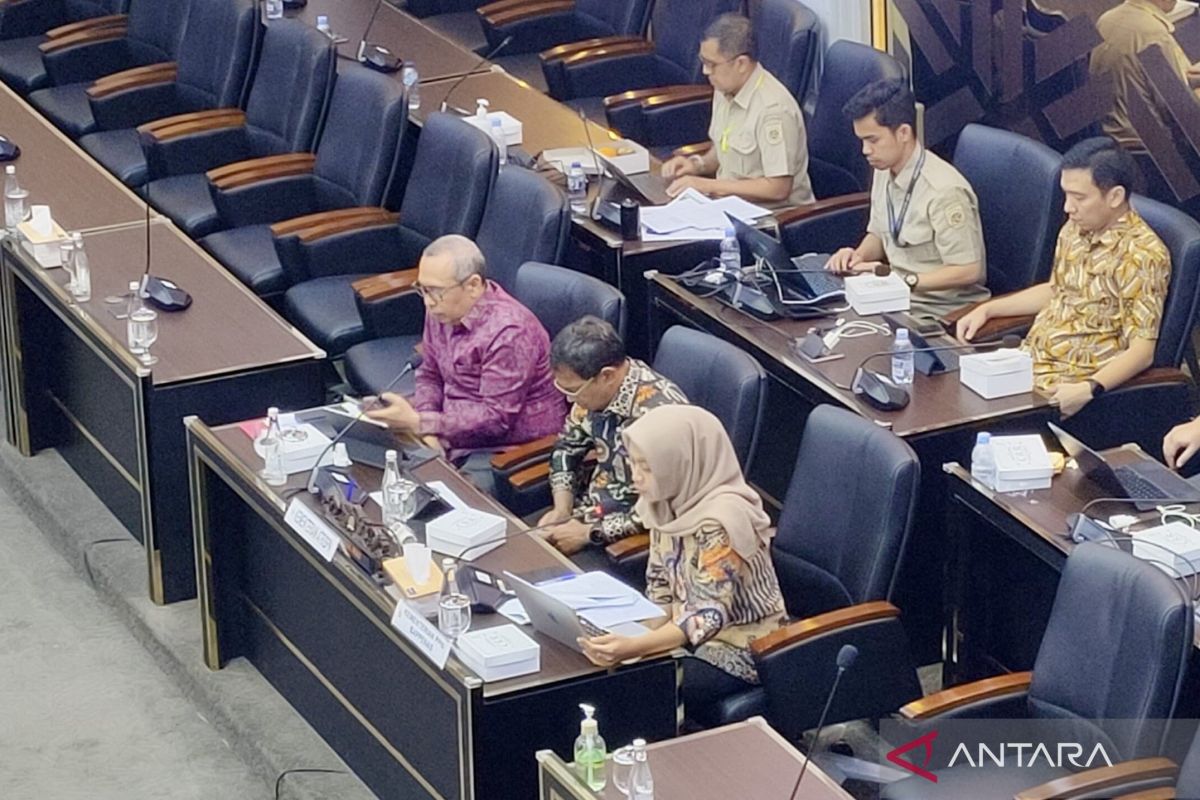
Jakarta (ANTARA) - The Ministry of National Development Planning/National Development Planning Agency (PPN/Bappenas) is pushing for the creation of a comprehensive regulation within the Draft Law (RUU) on Strategic Commodities.
Puspita Suryaningtyas, Secretary of the Deputy for Food, Natural Resources, and Environment at the Ministry of PPN/Bustappenas, stated that this is essential to address three main challenges currently facing national strategic commodities.
“The issues faced by commodities today are quite varied throughout the value chain, ranging from productivity and industry to investment,” Puspita said during a hearing with the Legislative Body of the Indonesian House of Representatives (DPR RI) at the Parliament Complex in Senayan, Jakarta, on Monday.
Regarding productivity, Puspita noted that Indonesia faces challenges such as low productivity, high prices for fertilisers and seeds, an ageing agricultural workforce, climate change, feed management issues, sub-optimal technology, and a lack of training programmes. “This results in low output, high production costs, and a dependency on imports,” she added.
Furthermore, on the industrial side, Puspita assessed that existing problems include limited industrialisation, expensive post-harvest handling and logistics, low added value, and competition from imports. Meanwhile, investment challenges include limited access to finance, insufficient land capacity, overlapping regulations, and business risks.
“This may be a major challenge, as there currently appears to be no comprehensive regulatory framework governing these various commodities from upstream to downstream,” said Puspita.
She noted that many existing regulations are merely sectoral policies. Therefore, specific criteria are needed to determine strategic commodities, such as their actual contribution to food security or independence.
“Additionally, consideration could be given to the impact of these commodities on the national economy, exports, foreign exchange, inflation, labour absorption, poverty alleviation, and energy security and independence,” Puspita explained.
Moreover, the Ministry of PPN/Bappenas supports the use of actual, digital-based data transparency to facilitate the mapping and implementation of these strategic commodity rules.
“As mentioned by colleagues from the Ministry of ATR/BPN, we must implement digitalisation to increase efficiency and ensure a more accountable data exchange process under the ‘One Data Indonesia’ framework,” she concluded.