
Bappenas: Shift Mindset on Elderly to Face Demographic Transition
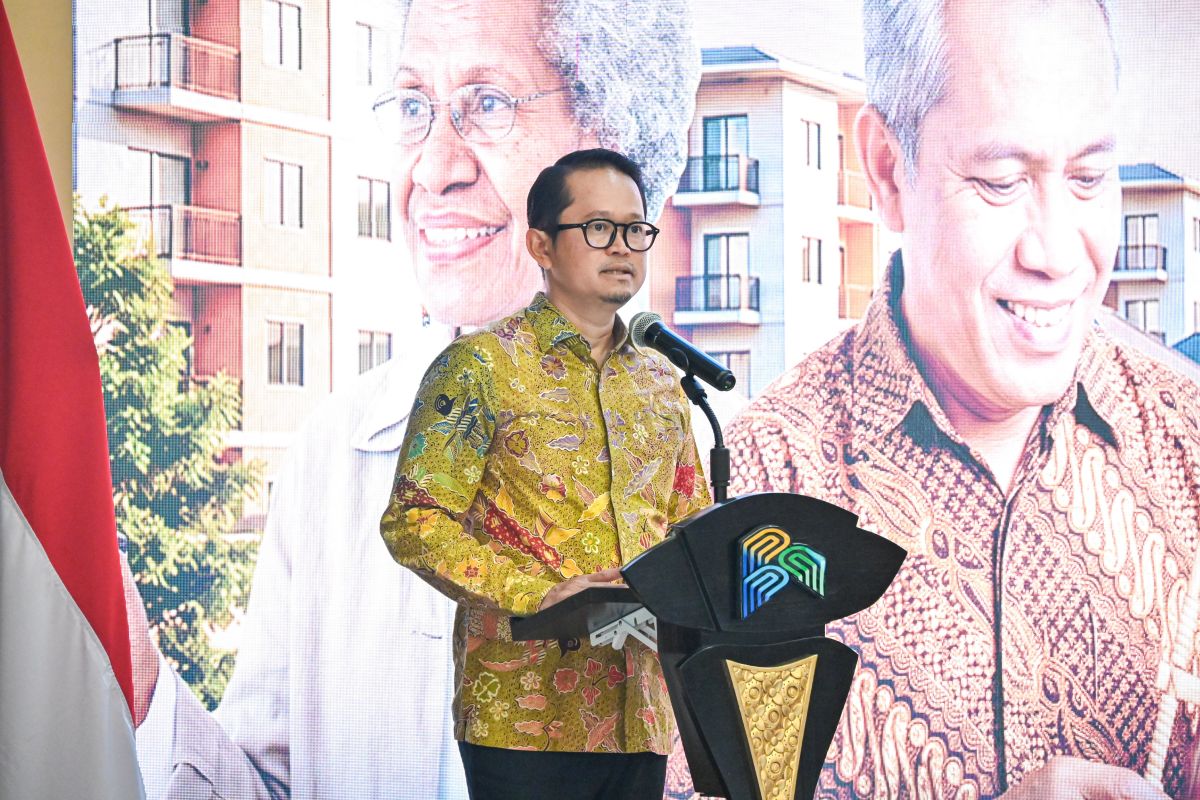
Deputy for Community Empowerment, Population, and Employment at the Ministry of National Development Planning/Bappenas, Maliki, stated that changing the perspective on the elderly is a prerequisite for preparing Indonesia to face the demographic transition. “Strengthening elderly policy requires a paradigm shift in viewing the ageing process. The approach focusing on this age group is still very partial. We must not only intervene for the elderly, but intervene based on the life cycle. If we do not intervene now to prepare for old age, I think we will not be ready to become an ageing nation,” he said during a National Seminar on Strengthening Regulations and Policies on Ageing.
In a written statement received in Jakarta on Monday, he noted that Indonesia has entered a phase of population ageing, with the number of elderly citizens reaching approximately 34.7 million people, or 12.33 percent of the total population in 2025, and is projected to increase to 20.31 percent by 2045. He stated that this demographic shift requires strengthening policies and service systems to ensure everyone can age prosperously, independently, and with dignity.
The strengthening of regulations and policies also includes a paradigm shift to ensure a life-cycle approach, intergenerational relations, ageing in place, healthy ageing, and cross-sector collaboration, including optimising the role of non-government actors. “The elderly are no longer positioned merely as recipients of social assistance, but as citizens who have rights and continue to contribute to development,” said Maliki.
In line with this, Selly Andriany Gantina, a member of House Commission VIII and the Legislation Body, considers the revision of Law Number 13 of 1998 concerning the Welfare of the Elderly to be an urgent need so that policies on ageing can keep pace with demographic changes. In several regions, commitment to ageing issues has begun to be translated into policies and programmes tailored to local needs. One example is the Raja Ampat district government in Southwest Papua, which developed the ORISUN programme to strengthen social protection for elderly indigenous Papuans. “The programme is supported by matching the National Single Socio-Economic Data (DTSEN) with the Southwest Papua People’s Information System (SIOPADA) so that aid reaches the groups most in need,” said Selly.
The national seminar was the result of collaboration between the government and development partners, including the Synergy and Collaboration for Accelerating Basic Services (SKALA) and INKLUSI, the Australia-Indonesia Partnership programme, to support strengthening inclusive basic service policies for vulnerable groups. Bappenas considers regulatory reform a crucial and strategic agenda for strengthening the long-term care system, developing age-friendly environments, utilising disaggregated data, and mainstreaming ageing issues in national and regional development planning. The success of this effort depends on collaboration between the central government, local governments, civil society organisations, and various stakeholders in ensuring every citizen can age healthily, safely, and with dignity.