
Bappenas: Number of SDGs Centres Grows Significantly Year on Year
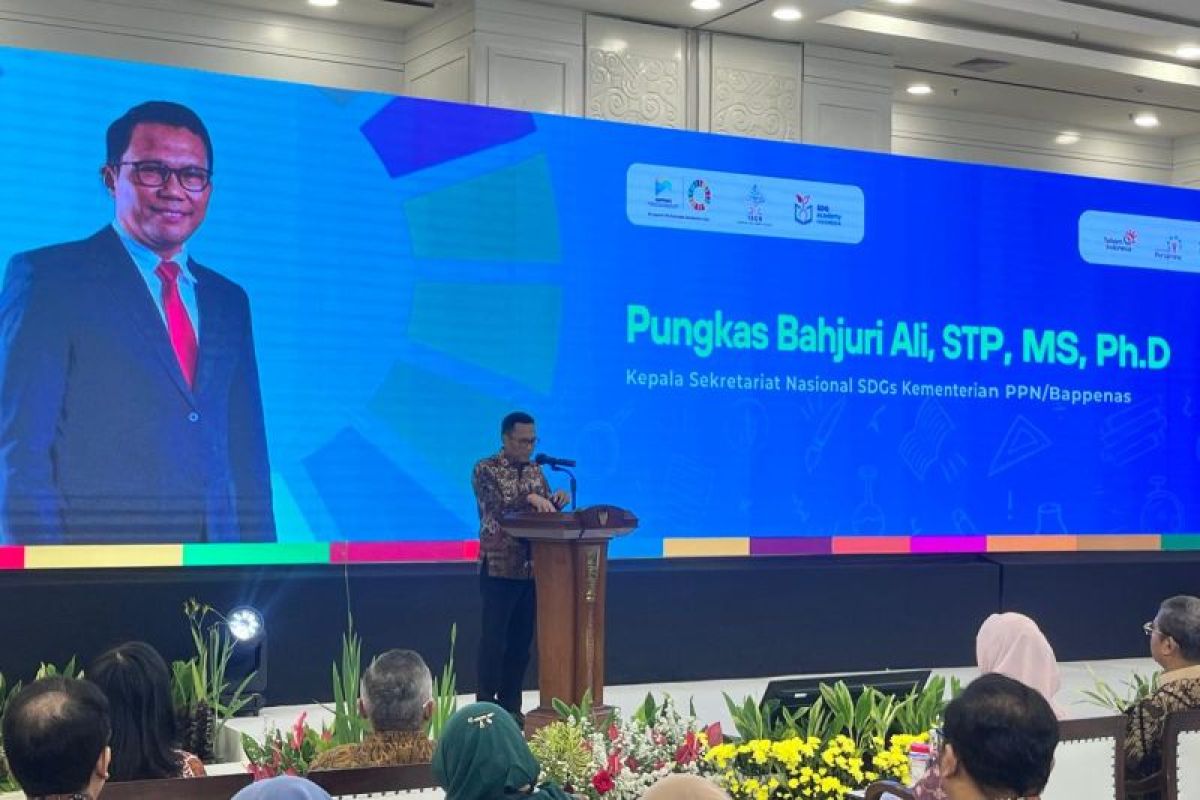
The Head of the National Secretariat for Sustainable Development Goals (SDGs) at the Ministry of National Development Planning/Bappenas, Pungkas Bahjuri Ali, stated that the number of SDGs Centres has continued to show significant growth year on year. “As of June 2026, there have been 80 SDGs Centres registered with Bappenas. Actually, there are already 100 informal SDGs Centres this year, and these are spread across 27 provinces,” he said during the SDGs Center Conference 2026 in Jakarta on Thursday. In 2015, there were two SDGs Centres in Indonesia, which then grew to three in 2017, five in 2017, seven in 2018, 13 in 2019, 22 in 2020, 30 in 2021, 40 in 2022, 47 in 2023, 60 in 2024, 74 in 2025, and 80 by 2026. According to him, the increase in the number of SDGs Centres is due to the growing attention of universities towards SDGs issues over the past few years, which has been consistent and reached more regions. This acceleration became even stronger when Indonesia was hit by the Covid-19 pandemic, which demanded the immediate implementation of the SDGs. Due to the development of these SDGs Centres, Bappenas launched the Indonesia SDGs Center Network (ISCN) in 2024 as a national network for SDGs Centres. The ISCN has developed into a strategic network for strengthening cooperation between universities. Through this network, SDGs Centres from various regions can share information, exchange knowledge, disseminate good practices, and develop various innovations that support the achievement of the SDGs. In addition to strengthening international collaboration, the ISCN also expands activities with various stakeholders and builds connectivity within global networks. Pungkas considers universities to have a high level of trust from various stakeholders. This trust capital positions universities as centres of excellence capable of providing relevant solutions for development needs. “We invite you all to utilise this space as a place to exchange ideas, expand networks, and create collaborations,” said the official, who also serves as Deputy for Human Development and Culture at the Ministry of National Development Planning/Bappenas.