
Bappenas launches CE SG to drive the transition to a circular economy
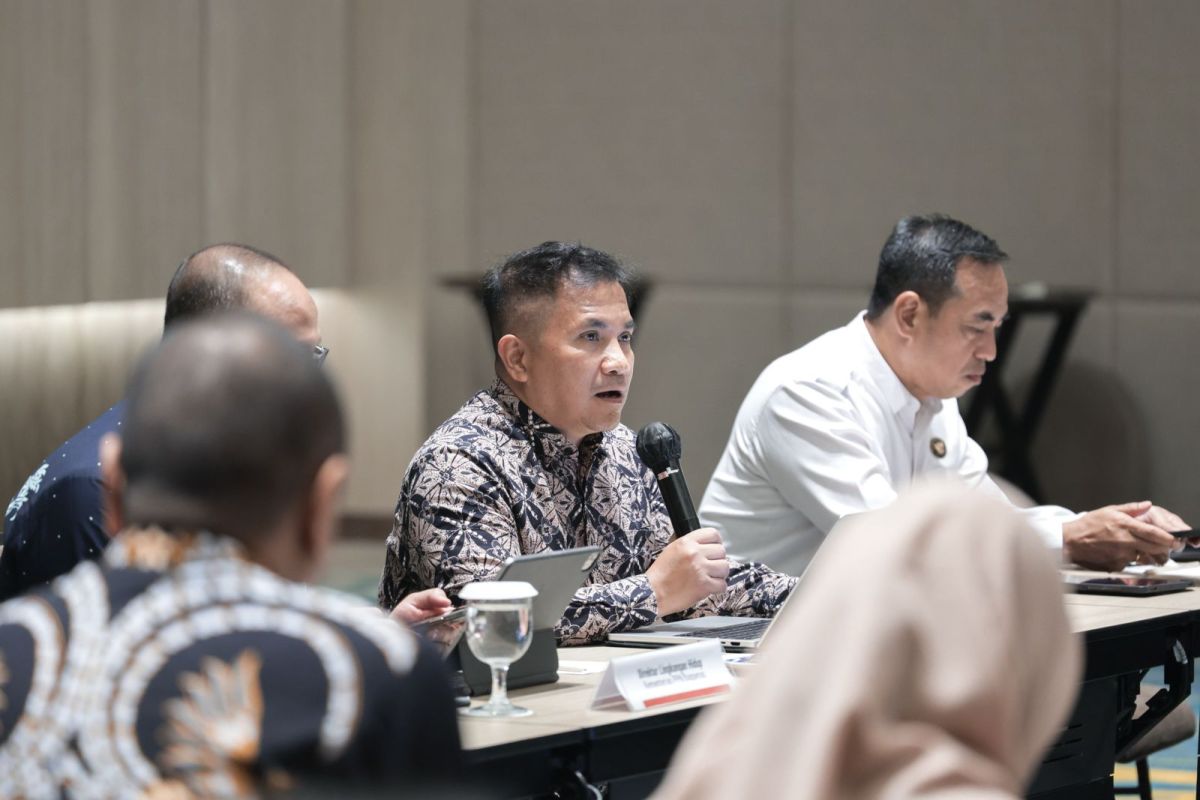
Jakarta (ANTARA) — Indonesia’s Ministry of National Development Planning (Bappenas) is strengthening cross-sector coordination to drive the transition to a circular economy through the launch of the Circular Economy Steering Group (CE SG).
The coordination platform was established to support policy formulation, programme alignment and the efficient use of resources. It will also strengthen collaboration between ministries and agencies and development partners in implementing the 2025–2045 National Circular Economy Roadmap and Action Plan (RAN-ES).
“I hope the Circular Economy Steering Group, which is being inaugurated today, can accommodate a substantial expansion of circular initiatives while mitigating the risk of overlap. Through the steering group, we can align the missions of various ministries, with support from development partners and, of course, the business community,” said Leonardo A. A. Teguh Sambodo, deputy for food, natural resources and the environment at Bappenas, at the CE SG launch, according to an official statement issued in Jakarta on Wednesday.
The CE SG is expected to connect national policy direction with the practical requirements of implementing a circular economy in five priority sectors: food, packaging plastics, electronics, construction and textiles.
Together, these sectors account for nearly one-third of Indonesia’s gross domestic product (GDP) and provided jobs for more than 43 million people in 2019.
A study for the development of the RAN-ES estimates that the transition to a circular economy could add up to Rp638 trillion to GDP and create 4.4 million new jobs by 2030, while reducing waste generation by 18–52 per cent and greenhouse-gas emissions by 126 million tonnes.
“Implementing a circular economy is not only a solution to waste and environmental problems, but also creates new economic opportunities for the public. To ensure these benefits are shared fairly, the various circular-economy programmes and initiatives run by ministries and agencies need to be aligned so they do not overlap and can have the greatest possible impact on people,” Teguh said.
To strengthen coordination, the CE SG will establish working groups for the five priority sectors, bringing together relevant ministries and agencies and development partners. These partners have contributed technical input, shared experience and helped accelerate implementation of the action plan.
The CE SG secretariat will coordinate all activities, including the preparation of work plans, data consolidation and reporting, monitoring and evaluation, and communications.
“This is the time for us to collaborate better and show that, through collaboration, we can ensure the opportunities created by Indonesia’s circular economy support more sustainable growth and poverty reduction, while ensuring that every available resource, including human resources, can participate actively,” he said.
Thomas Foerch, director of urban development at the Deutsche Gesellschaft für Internationale Zusammenarbeit (GIZ) Indonesia and ASEAN, said a circular economy was not a “sprint” but a long journey.
“No ministry or development partner can make that journey alone. The CE SG is a platform for us to move forward together. It connects national policy with practice on the ground and brings the government, development partners and private sector to the same table,” he said.
The coordination initiative, including support for establishing the CE SG secretariat, is facilitated by the German Federal Government under technical cooperation with the Indonesian Government through Bappenas. The cooperation is implemented by GIZ Indonesia and ASEAN on behalf of Germany’s Federal Ministry for Economic Cooperation and Development (BMZ).
Through more focused coordination, the CE SG is expected to help Indonesia strengthen the links between national priorities and sectoral action.
Going forward, the group will coordinate through the preparation and approval of work plans for each working group, regular plenary meetings and other technical and cross-sector discussions. This approach forms part of a joint effort to build an integrated, collaborative circular-economy ecosystem that can support sustainable economic development.
Source: jawawa.id (https://jawawa.id/newsitem/bappenas-launches-ce-sg-to-drive-the-transition-to-a-circular-economy-1793174089)
Originally published by Antara (Indonesian) (https://www.antaranews.com/berita/5816747/bappenas-luncurkan-ce-sg-untuk-dorong-transisi-menuju-ekonomi-sirkular), translated from Indonesian