
Bappenas: Improving Maternal and Child Health is a National Priority
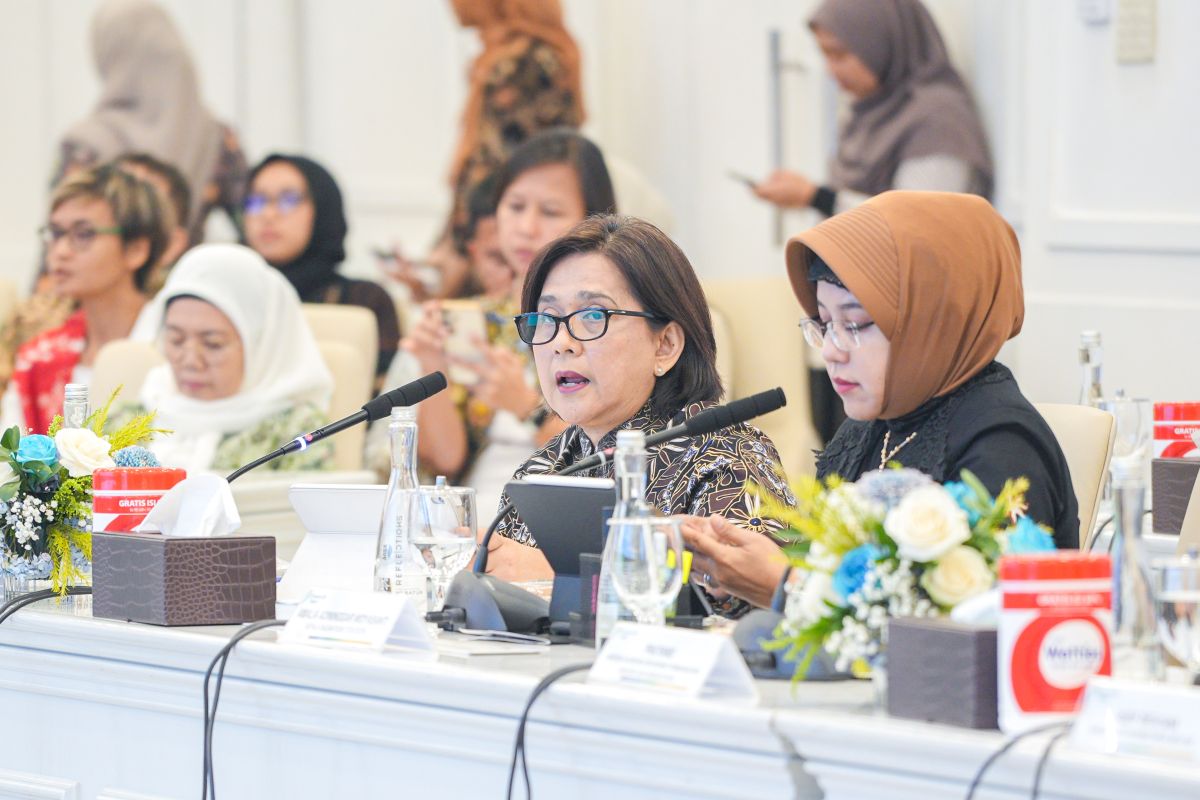
The maternal mortality rate (MMR) has declined from 189 (according to the 2020 Population Survey) to 144 (based on the 2025 Intercensal Population Survey).
Jakarta (ANTARA) - The Secretary of the Ministry of National Development Planning/Principal Secretary of the National Development Planning Agency (PPN/Bappenas), Teni Widuriyanti, stated that improving maternal and child health is a national priority.
“Maternal and child mortality is not only an indicator of public health, but also an indicator of a country’s development that must be carefully safeguarded. Improving maternal and child health is a national priority within the RPJMN (National Medium-Term Development Plan) 2025–2029 and the achievement of the Sustainable Development Goals (SDGs),” she said at the launch of the National Framework for Reducing Maternal and Child Mortality 2026–2030, according to an official statement in Jakarta on Thursday.
She explained that the ultimate outcome of investment in maternal and child health is the improvement of human resource quality, as reflected in the increase of the human capital index—the potential contribution of human resources in driving economic growth.
According to her, the maternal mortality rate (MMR) has declined from 189 (according to the 2020 Population Survey) to 144 (based on the 2025 Intercensal Population Survey).
Therefore, strengthened cross-sector coordination is needed, along with approaches tailored to the conditions and capacity of each region.
By 2029, Indonesia must achieve the target of reducing the MMR to 77 per 100,000 live births and reducing the infant mortality rate (IMR) to 9.96 per 1,000 live births.
In this context, the framework has been developed to translate the priorities of the National Long-Term Development Plan (RPJPN) 2025–2045 and the RPJMN 2025–2029, as well as the 2030 SDG targets, into more operational strategies and interventions at both central and regional levels.
Furthermore, the framework document was prepared by the Ministry of PPN/Bappenas with support from the Ministry of Health and other ministries. Regional dissemination and pilot projects will subsequently be carried out in 10 provinces in Indonesia, including West Java, Central Java, East Java, North Maluku, Papua, West Papua, Southwest Papua, South Papua, Central Sulawesi, and East Nusa Tenggara.
One of the follow-up efforts for implementing this framework is to pilot the Project for Improving Maternal and Newborn Health in Papua of Indonesia, a collaboration between the Indonesian government, KOICA (Korea International Cooperation Agency), and UNICEF (United Nations Children’s Fund) to strengthen maternal and newborn health services in the region.
Regional heads in the Papua region signed a joint commitment to support the implementation of the National Framework for Reducing Maternal and Child Mortality 2026–2030 through the Project for Improving Maternal and Newborn Health in Papua of Indonesia.
UNICEF Indonesia Representative Maniza Zaman expressed appreciation to the Indonesian government for its strong leadership and commitment to improving the health and well-being of mothers and children.
UNICEF is committed to supporting the implementation of the framework to save more lives and ensure that every child has the opportunity to survive, grow healthily, and develop optimally.
“No mother should lose her life while giving birth, and no child should die from causes that are actually preventable. This National Framework reflects Indonesia’s determination to reach every mother and every child with quality health services, especially those in vulnerable situations,” she said.
“By strengthening our commitment to quality family planning, competent and confident midwifery care, and effective emergency obstetric services, we can ensure that every pregnancy is planned and every delivery is safe,” said Hassan.