
Bappenas Head Urges Bio Farma to Continue Producing WHO-Standard Vaccines
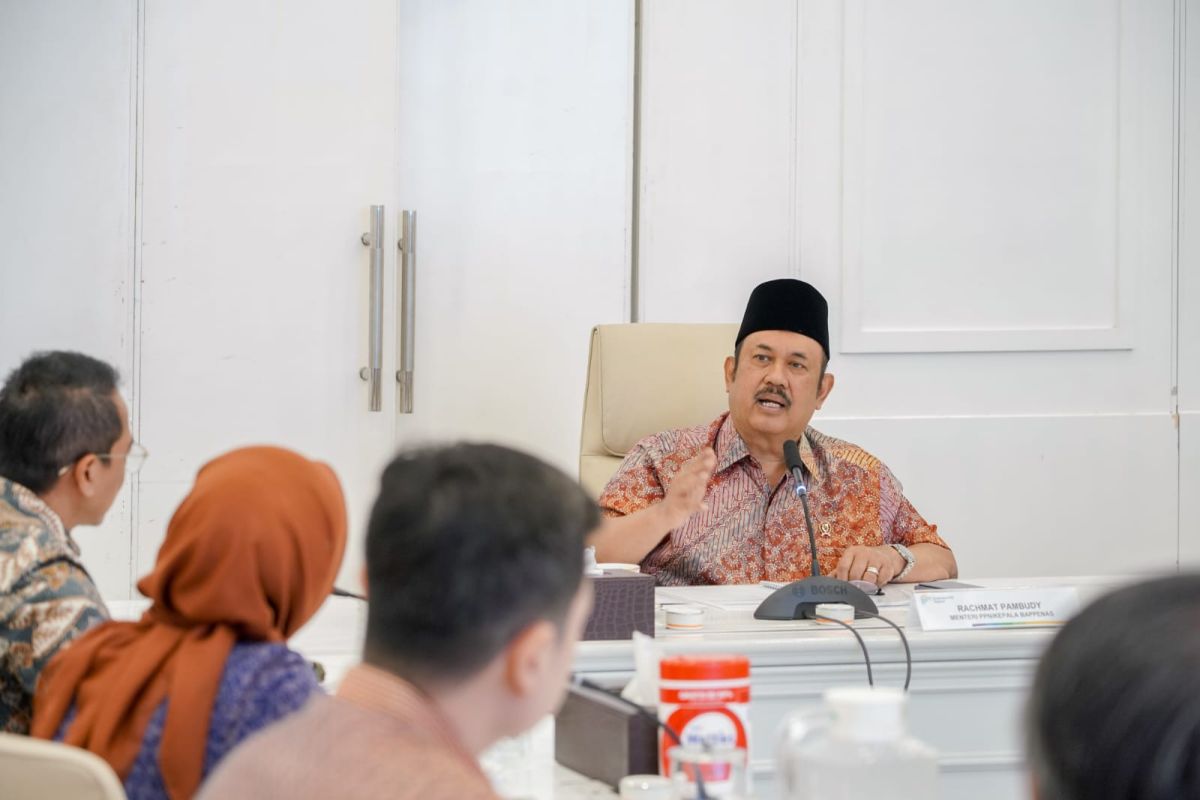
National Development Planning Minister and Head of Bappenas Rachmat Pambudy has urged Bio Farma to pursue modernisation so it can continue producing vaccines using the latest technology that meets World Health Organization (WHO) standards. “Bio Farma needs to keep modernising to be able to produce vaccines with cutting-edge technology that meets WHO standards, so that vaccine production quality satisfies not only national standards but also internationally recognised global standards,” he said during an audience with Bio Farma President Director Shadiq Akasya in Jakarta on Monday. Minister Rachmat Pambudy affirmed his support for the continuation of the Cervical Cancer Elimination Programme, which Bio Farma has run together with the Ministry of Health and international partners since 2016. The programme was expanded into a national programme in 2023 and will continue until 2030, including through the provision of Human Papillomavirus (HPV) vaccines for school-age children. “In essence, we support this programme because it is the President’s mandate and duty to realise an increasingly healthy Indonesian society,” the Bappenas Head said. The Minister further stressed the importance of strengthening vaccine production capacity that has a direct impact on public health, such as polio and HPV vaccines, which must be accompanied by modernisation of facilities and production processes to meet global quality standards. In line with this, Bio Farma submitted a proposal for the construction of a new vaccine production facility as part of efforts to modernise the national vaccine industry, proposed to become a National Strategic Project (PSN). The new facility is expected to support the application of more advanced vaccine production technology, meet international standards, and strengthen Indonesia’s ability to produce vaccines independently. The modernisation is considered vital to maintain the competitiveness of the national vaccine industry while reinforcing Indonesia’s health resilience in the future. “The success of a National Strategic Project is determined not only by its planning, but also by the quality of its execution and completion. So, it must be planned well, executed well, and completed well,” the Minister said.