
Bappenas: Green Economy Transition a Strategic Necessity
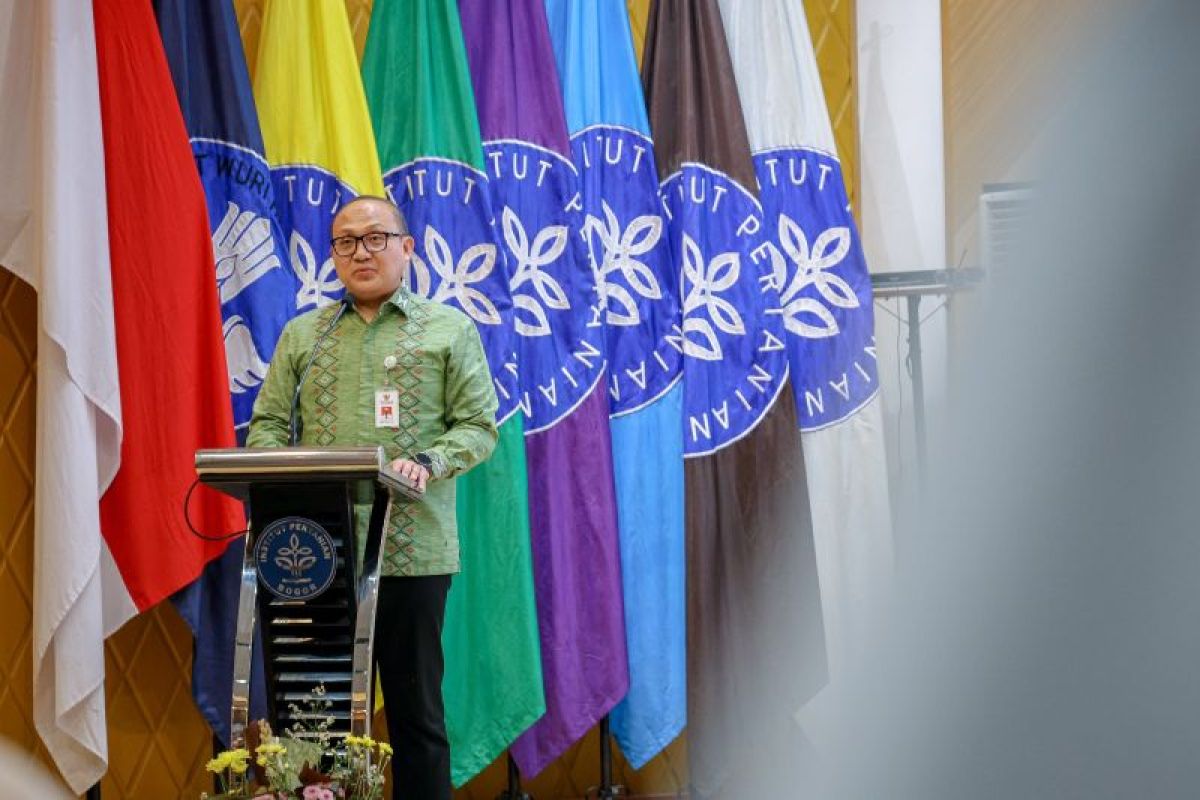
Therefore, development must recognise ecosystems as living, interdependent systems. Nizhar Marizi, Director of Environment at the National Development Planning Agency (Bappenas), stated that transforming development towards a green economy is a strategic necessity amid ongoing climate change. “The transformation of development towards a green economy is no longer a choice but a strategic necessity to ensure economic growth proceeds alongside environmental protection and improved societal welfare,” he said during the Green Economy Goes to Campus event: Youth’s Role in Supporting Green Economy Transformation for Golden Indonesia 2045. He added that climate change impacts are increasingly evident through rising temperatures, sea level rise, extreme weather, and projected global economic losses exceeding Rp2,000 trillion by 2029. Therefore, Bappenas is collaborating with Bogor Agricultural University (IPB), GIZ Indonesia, and the Emil Salim Institute (ESI) to strengthen policy literacy and expand youth participation in accelerating the national green economy transition. “The National Long-Term Development Plan (RPJPN) 2025-2045 and National Medium-Term Development Plan (RPJMN) 2025-2029 place green economy transformation as a priority agenda and a key driver of national development,” Nizhar said. This approach is deemed not only focused on economic growth but also ensuring environmental sustainability and social equity as the foundation for Indonesia’s long-term development, given the real threat of the triple planetary crisis facing the world and Indonesia. Youth are seen as having significant potential to drive green economy implementation through technological innovation, green entrepreneurship, policy advocacy, and community-based movements under the Tri Dharma of Higher Education. The Green Economy Goes to Campus initiative is designed as a strategic platform to disseminate national policy directions, facilitate policy dialogue, and strengthen partnerships between government, universities, youth communities, and development partners. Emil Salim Institute Chairman Professor Emil Salim stressed that green economy development must be built on understanding ecosystems as a living, interconnected whole. “Nature is not merely a development object but a life subject. Therefore, development must comprehend ecosystems as living and interdependent entities,” he said. Professor Salim argued that young people must understand that knowledge cannot stand alone but must recognise the interconnections between humans, natural resources, and environmental sustainability to support Indonesia’s future development. “Universities play a strategic role as centres for knowledge development, research, innovation, and future leadership formation,” he added.