
Bappenas Chief: Biodiversity is Indonesia's Future Resource
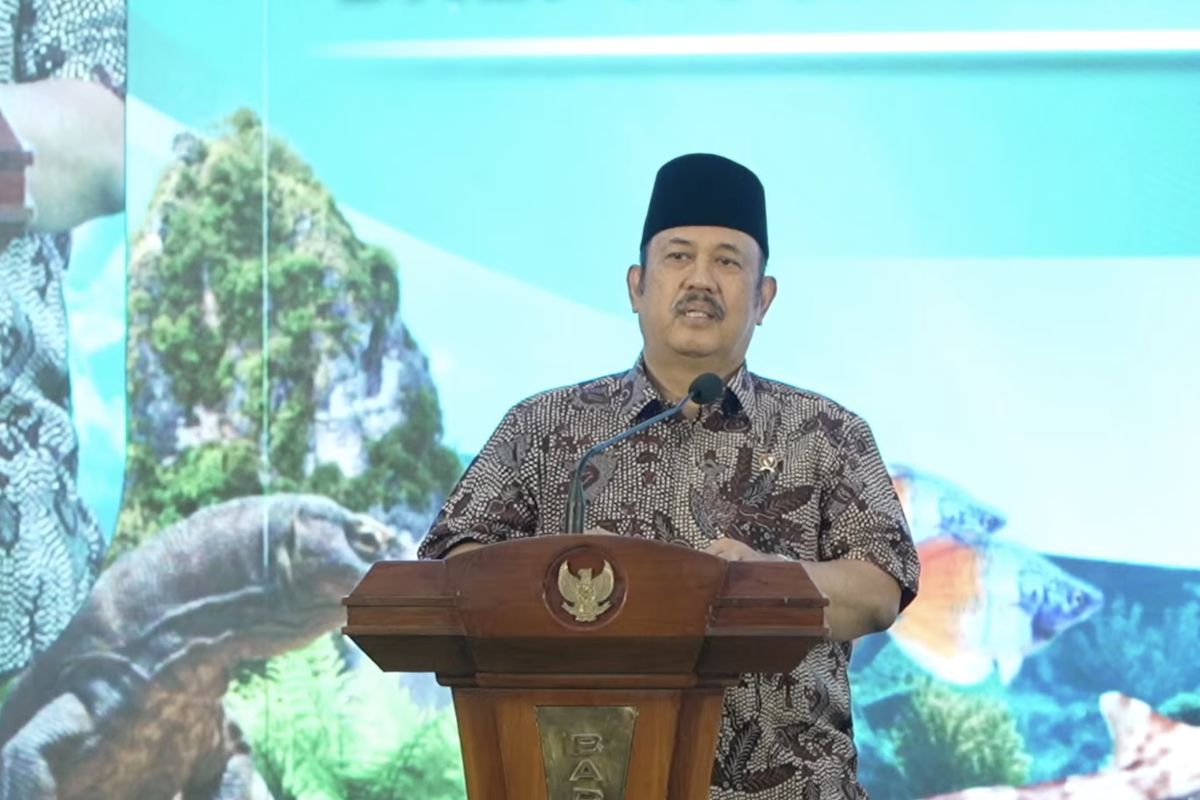
Minister of National Development Planning Rachmat Pambudy stated that biodiversity is Indonesia’s future resource. “Biodiversity is something that seems very ordinary in daily life, such as forests, wildlife, or conservation areas. In fact, consciously or not, this biodiversity is our future resource. Every day we enjoy food sources, fisheries, spices, medicines, and these are all biological resources that are an inseparable part of us,” he said at the launch of the Biodiversity Status Document for Bali-Nusa Tenggara, Java, Maluku, and Papua in Jakarta on Tuesday.
In the National Long-Term Development Plan (RPJPN) and the National Medium-Term Development Plan (RPJMN), biodiversity is a key part of realising a quality environment and encouraging the implementation of a green economy. Biodiversity supports the economy, ecosystem resilience, and sustainable development. Indonesia has 22 types of ecosystems across seven regions, with 31,031 flora species and 744,279 terrestrial and marine fauna species.
Biodiversity is present in every aspect of daily life, serving as a source of food (carbohydrates, fats, fruits, spices), energy security (biogas, bioethanol, biodiesel), medicines (medicinal plants, herbal medicine, biopharmaceuticals), local culture (local wisdom identity, ancestral heritage), and livelihoods for rural and coastal communities. Sustainable management of biodiversity can support development towards a Golden Indonesia 2045, considering that in 2025 there is Rp348 billion in Non-Tax State Revenue (PNBP) from the utilisation of environmental services and wild plants and animals (TSL), an export value of Rp8.48 trillion from TSL and bioprospecting, and fishery exports worth 6.27 billion US dollars.
Key strategies for managing biodiversity include optimising new renewable energy sources, of which only 0.08 percent is currently utilised, a carbon credit potential of 17 billion US dollars, and downstream industry capable of attracting 46.4 billion US dollars in investment and creating 180,000 new jobs. Furthermore, biodiversity mitigation and conservation efforts can directly contribute to Indonesia’s climate change goals, considering the country’s very high carbon absorption productivity, with 80 percent of its land area containing high biodiversity, 52 percent containing irreplaceable carbon, and 17 percent of the world’s carbon stocks originating from Indonesia’s blue ecosystems.
“In the Indonesian Biodiversity Strategic Action Plan (IBSAP) 2025-2045 as the national reference document for biodiversity, this IBSAP will support implementation by strengthening accurate, up-to-date data and various scientific evidence which will subsequently become an inseparable part of our future development,” the Head of Bappenas revealed. “Therefore, we are cooperating with developed countries, we are cooperating with the federal government of Germany. We want our biodiversity to one day be like Mercedes, like BMW,” said Rachmat.