
Bappenas: Business sector plays vital role in accelerating Indonesia's SDG achievement
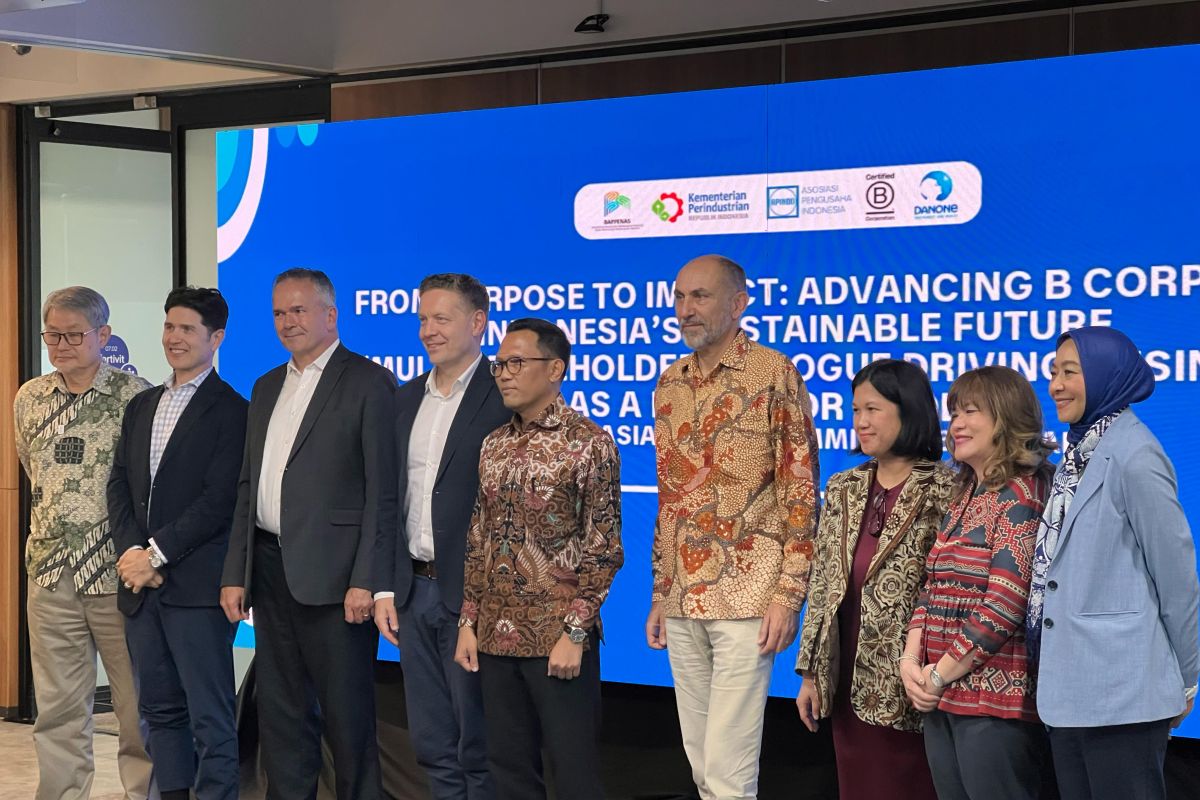
The Ministry of National Development Planning/Bappenas has stated that the business sector plays a vital role in accelerating the achievement of the Sustainable Development Goals (SDGs) in Indonesia through cross-sector collaboration. “The success of the SDGs is not only determined by how many initiatives we run, but by how strongly we change the way development works,” said Deputy for Sustainable Development at the Ministry of PPN/Bappenas and Head of the National SDGs Secretariat, Pungkas Bahjuri Ali, in an official statement received in Jakarta on Tuesday. Pungkas said the SDGs have become part of the national development direction, reflected in the National Long-Term Development Plan (RPJPN), the National Medium-Term Development Plan (RPJMN), the Asta Cita, and the vision of Golden Indonesia 2045. According to him, the implementation of the SDGs is based on four main principles: being universal, integrated, leaving no one behind, and supported by strong collaboration among stakeholders. “The SDGs will be achieved when the government, business sector, philanthropy, academia, civil society, and media move together in one direction, which is to create economic value while simultaneously strengthening the quality of life, the environment, and governance,” he said. Pungkas made these remarks during the Asia B Corp Summit 2026 Site Visit event organised by Danone Indonesia in collaboration with B Lab and B Market Builder South East Asia. The forum brought together representatives from government, business, academia, and organisations to discuss strengthening sustainable business practices in Indonesia. “This forum is expected to strengthen our commitment to making business a force for good, B Corp an inspiration for change, and the SDGs a shared language to build a more inclusive, sustainable, and dignified Indonesia towards Golden Indonesia 2045,” he stated. Based on Bappenas data, Indonesia’s SDG indicator achievement has reached approximately 62 percent, higher than the global and Asia-Pacific average of around 18 percent. Indonesia also ranks 77th out of 167 countries. At the same event, Chairwoman of the Indonesian Employers’ Association (Apindo), Shinta Kamdani, said that sustainable business practices have now become a crucial factor in enhancing Indonesia’s competitiveness. “Sustainability is no longer just a commitment, but has become part of a business strategy that determines corporate competitiveness,” Shinta remarked. She assessed that collaboration between the government, the business sector, and various stakeholders forms an important foundation for accelerating the implementation of responsible business practices while simultaneously driving inclusive and sustainable economic growth.