
Bappenas Aims to Complete Bioeconomy Road Map by December 2026
Jakarta (ANTARA) – The Ministry of National Development Planning/National Development Planning Agency (PPN/Bappenas) aims to complete Indonesia’s bioeconomy road map by December 2026 as part of efforts to strengthen a sustainable economic transformation based on biological resources.
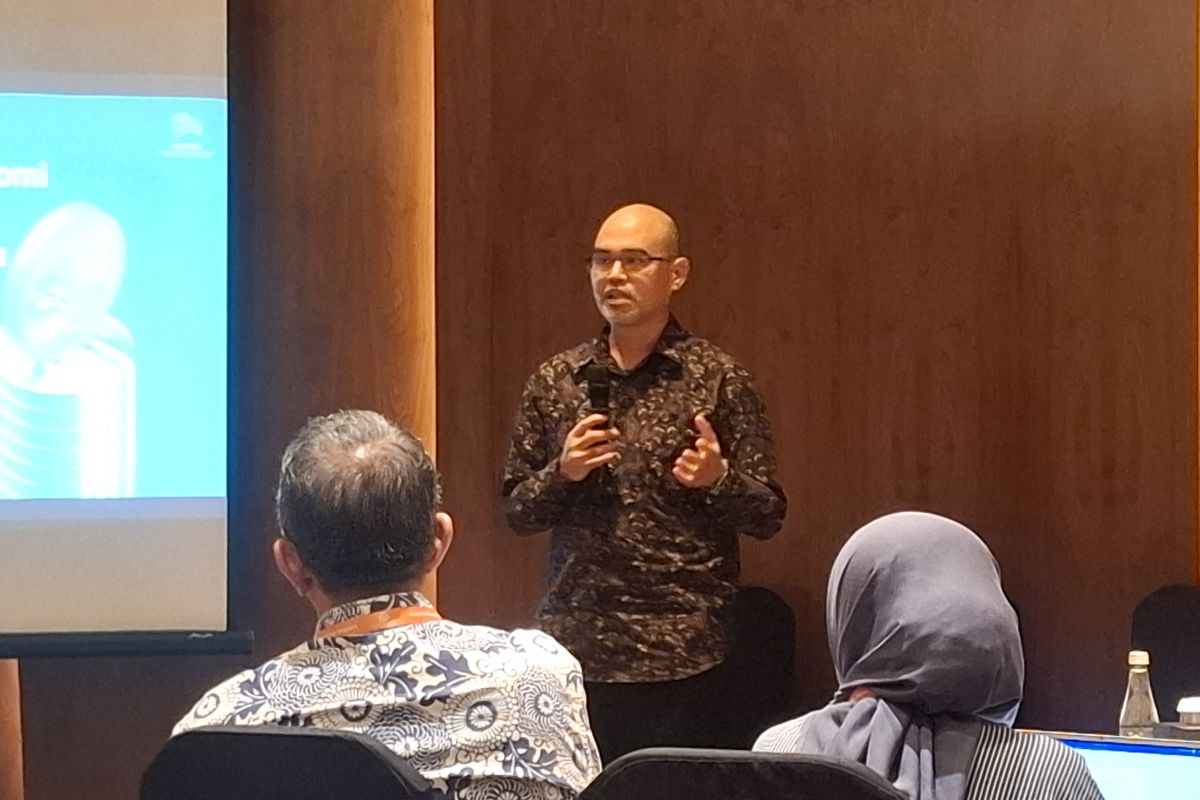
Dadang Jainal Mutaqin, Director of Forestry and Water Resources Conservation at the ministry, said the road map had gone through several stages of discussions with various stakeholders.
“We hope to complete the bioeconomy road map in December,” Dadang said at a discussion on Bioeconomy and the SDGs at the Indonesia Impact Investment Summit 2026 in Jakarta on Wednesday.
The road map is being prepared to align the efforts of the government, businesses and development partners in developing the potential of biological resources into higher-value products.
Bioeconomy development is part of the economic transformation set out in the National Long-Term Development Plan (RPJPN) 2025–2045, particularly through the downstream processing of renewable natural resources.
Dadang explained that the bioeconomy involves the sustainable use of biological resources and processes, including those from agriculture, plantations, forestry, marine affairs and fisheries, to produce goods and services with greater economic value.
“We cannot remain merely sources of raw materials,” he said.
Indonesia, he said, needs to process biological commodities into derivative products so that the added value can be retained domestically and deliver greater economic benefits to the public.
Bappenas has identified five priority bioeconomy product groups: food, energy, medicines, cosmetics and biomaterials. There is also one services group: environmental services, including ecotourism.
The potential for development is supported by the contribution of natural-resource-based sectors to the economy. Statistics Indonesia (BPS) data show that agriculture, forestry and fisheries accounted for 13.10 per cent of national gross domestic product (GDP) in 2025, up from 12.61 per cent in 2024.
Meanwhile, Bappenas’ 2024 report on the current state of Indonesia’s biodiversity recorded 31,031 flora species and 744,279 fauna species in the country. This biological wealth is also an asset for developing natural-resource-based products through innovation and downstream processing.
Dadang said bioeconomy development must meet three main criteria: generate high added value, use technology and innovation that incorporate local knowledge, and improve people’s welfare.
Innovation, he said, is not limited to modern technology; it can also draw on local communities’ knowledge and skills to increase a product’s economic value.
“What matters most is how the bioeconomy can improve people’s welfare,” he said.
In implementing the plan, communities are expected not only to supply raw materials but also to act as industry partners and stewards of the sustainability of natural-resource ecosystems.
Dadang cited candlenuts and bamboo as commodities with the potential to generate greater added value if processed into derivative products rather than sold only as raw materials.
Bioeconomy development is expected to increase contributions to GDP, investment and exports, create jobs, and improve people’s welfare.
On the environmental front, it is also expected to help reduce greenhouse gas emissions, increase forest cover, protect biodiversity and improve resource-use efficiency.
Dadang emphasised the importance of cooperation between the government, businesses, development partners and communities in achieving an economic transformation based on biological resources.
“We cannot go it alone on the bioeconomy,” he said.
In December 2025, Bappenas announced plans to develop a National Bioeconomy Strategy in 2026, potentially in the form of a road map accompanied by an action plan and indicators to guide stakeholders.
The road map is part of efforts to increase the value of Indonesia’s biological resources while supporting the Sustainable Development Goals and the vision of Golden Indonesia 2045.
Source: jawawa.id (https://jawawa.id/newsitem/bappenas-aims-to-complete-bioeconomy-road-map-by-december-2026-1792579999)
Originally published by Antara (Indonesian) (https://www.antaranews.com/berita/5802121/bappenas-targetkan-peta-jalan-bioekonomi-rampung-desember-2026), translated from Indonesian