
Bapemperda Reviews Private Clinic Involvement to Ease Puskesmas Queues
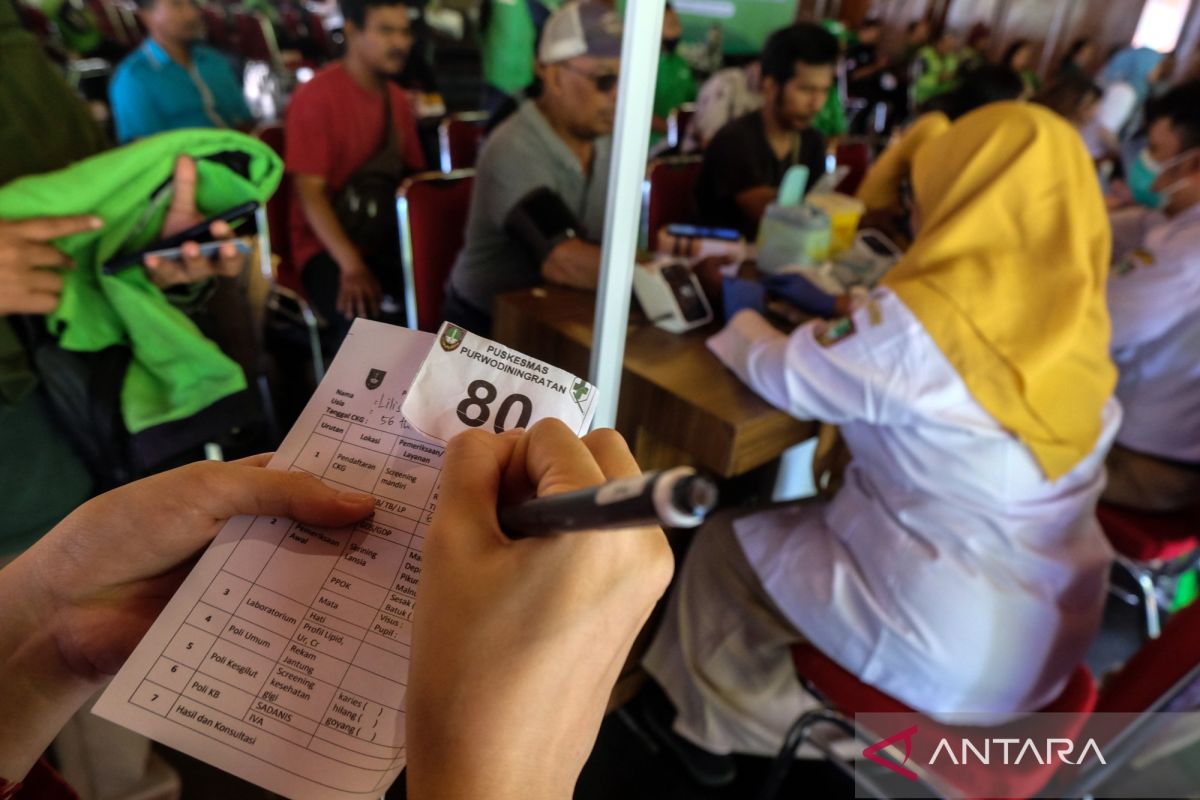
Jakarta (ANTARA) - The Regional Regulation Formation Agency (Bapemperda) of the DKI Jakarta Regional House of Representatives (DPRD) is reviewing a formulation to reduce patient queues at public health centres (Puskesmas) by involving private clinics in public health services. Abdul Aziz, Chair of the DKI Jakarta DPRD Bapemperda, stated that involving private clinics is one alternative considered capable of helping to ease the burden on Puskesmas, which frequently experience patient overcrowding. “The Nusantara Health Service Forum (PFPKN) has proposed that private clinics also be involved to optimise the Minimum Service Standards (SPM),” Aziz said in Jakarta on Thursday. Currently, Bapemperda, together with a number of stakeholders, is discussing the articles of the Draft Regional Regulation (Raperda) on the Regional Health System (Siskesda). According to Aziz, long queues make health services less effective, even though people visiting the Puskesmas require fast and precise medical treatment. In addition to hampering service, the long waiting time also potentially increases the risk of disease transmission among patients in the waiting room of the health facility. “So patients must be treated immediately. Not only because of their weak physical condition, but also because the risk of contracting other diseases at the health service location is quite high,” Aziz said. He further revealed that the proposal to involve private clinics in the Siskesda Draft Regional Regulation still needs to be comprehensively reviewed, particularly regarding the mechanism for integrating services with the Social Security Administering Body for the Health Sector (BPJS Kesehatan). “We are reviewing how to regulate it so that it complies with the laws and regulations. The hope is that the equitable distribution of patient handling can improve the quality of health services in DKI Jakarta,” Aziz explained. He added that Bapemperda is still open to input from various elements of society in the process of drafting the regulation. “We are still open to receiving suggestions and input regarding the Draft Regional Regulation on the Regional Health System that we are currently discussing together,” Aziz said.