
Bapanas urges retailers to strengthen innovation in national food rescue
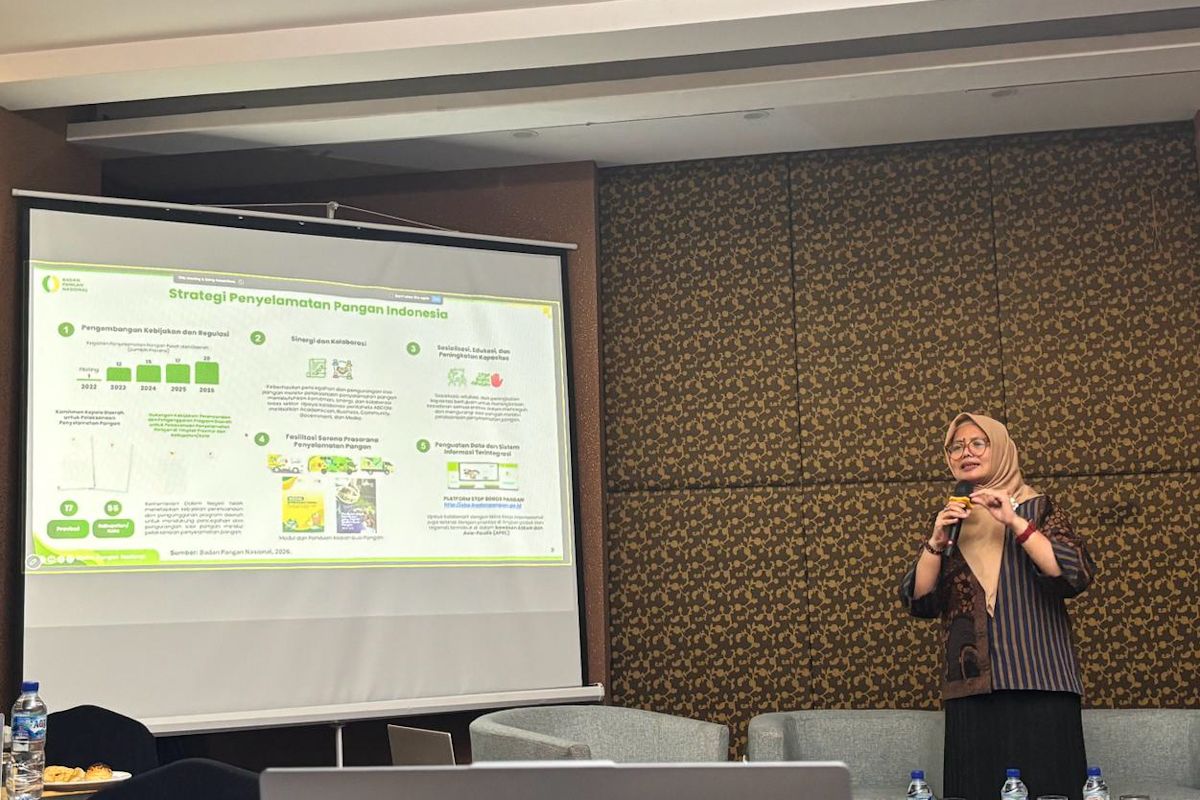
The National Food Agency (Bapanas) is encouraging the retail sector to strengthen innovation and collaboration in national food rescue, aiming to broaden the redistribution of food still fit for consumption and support a sustainable food system.
Bapanas Director of Food Vigilance Nita Yulianis stated that retail sector involvement is a crucial part of building a sustainable food rescue ecosystem through synergy among various stakeholders. “Retail plays an important role in building a sustainable food rescue ecosystem,” Nita said in a statement in Jakarta on Wednesday.
According to Nita, the retail sector holds a strategic position in expanding the redistribution of food that remains safe and suitable for consumption through cooperation with food banks and food rescue activists. She conveyed this during a business forum that brought together government, businesses, and communities to strengthen sustainable collaboration in handling retail food surplus.
The forum, titled “Sustainable Retail Transformation: Strengthening Innovation and Collaboration on Risks and Opportunities in Handling Food Surplus in the Retail Sector,” was deemed important for reinforcing national food security. Nita assessed that retail’s position as a link between producers and consumers makes it a key actor in building a more efficient, inclusive, and sustainable food system.
The government continues to push for stronger synergy and collaboration, public education, and more structured data collection and reporting of food rescue activities to reduce national food surplus. “In addition, retail can also serve as an educational tool for consumers to be wiser in managing food and reducing food waste,” Nita added.
According to Nita, business involvement in food rescue is showing an increasingly positive trend. Based on data from the National Food Agency’s Stop Boros Pangan platform as of 18 June 2026, the retail sector contributed 8.8 percent of total registered food rescue partners. This achievement reflects growing attention from businesses towards food rescue efforts.
Bapanas believes that broader collaboration with food banks and food rescue organisations can increase the benefits of food redistribution for the community. Nita also invited the Indonesian Retailers Association (Aprindo) to strengthen its members’ involvement in various food rescue programmes, as the retail sector’s contribution is seen as capable of reinforcing national food security while supporting sustainable development targets.
Meanwhile, Aprindo Executive Director Dasep Suryanto assessed that reducing food surplus needs to become part of a company’s business strategy, implemented consistently and measurably. According to Dasep, there are three main steps retailers can take: building corporate commitment, measuring and setting food surplus reduction targets, and executing concrete and sustainable action plans.
“Reducing food surplus can start with strong corporate commitment, followed by clear measurement, and realised through real, sustainable actions,” Dasep said.
Aprindo Deputy Chair for Environmental, Social and Governance (ESG) and Retail Transformation Yuvlinda Susanta added that food rescue has become an important part of sustainable business strategy. The approach is seen as capable of delivering economic, social, and environmental benefits while helping the retail sector better prepare for future regulatory developments.
Closer collaboration between government, the retail sector, food banks, communities, academics, and the media is expected to expand the redistribution of edible food to communities in need. Beyond supporting food surplus reduction, this step also strengthens food security and promotes a more sustainable food system.
Source: jawawa.id (https://jawawa.id/newsitem/bapanas-urges-retailers-to-strengthen-innovation-in-national-food-rescue-1782294921)
Originally published by Antara (Indonesian) (https://www.antaranews.com/berita/5621188/bapanas-dorong-ritel-perkuat-inovasi-penyelamatan-pangan-nasional), translated from Indonesian