
Bapanas Urges Regional Governments to Accelerate Food Balance Projections
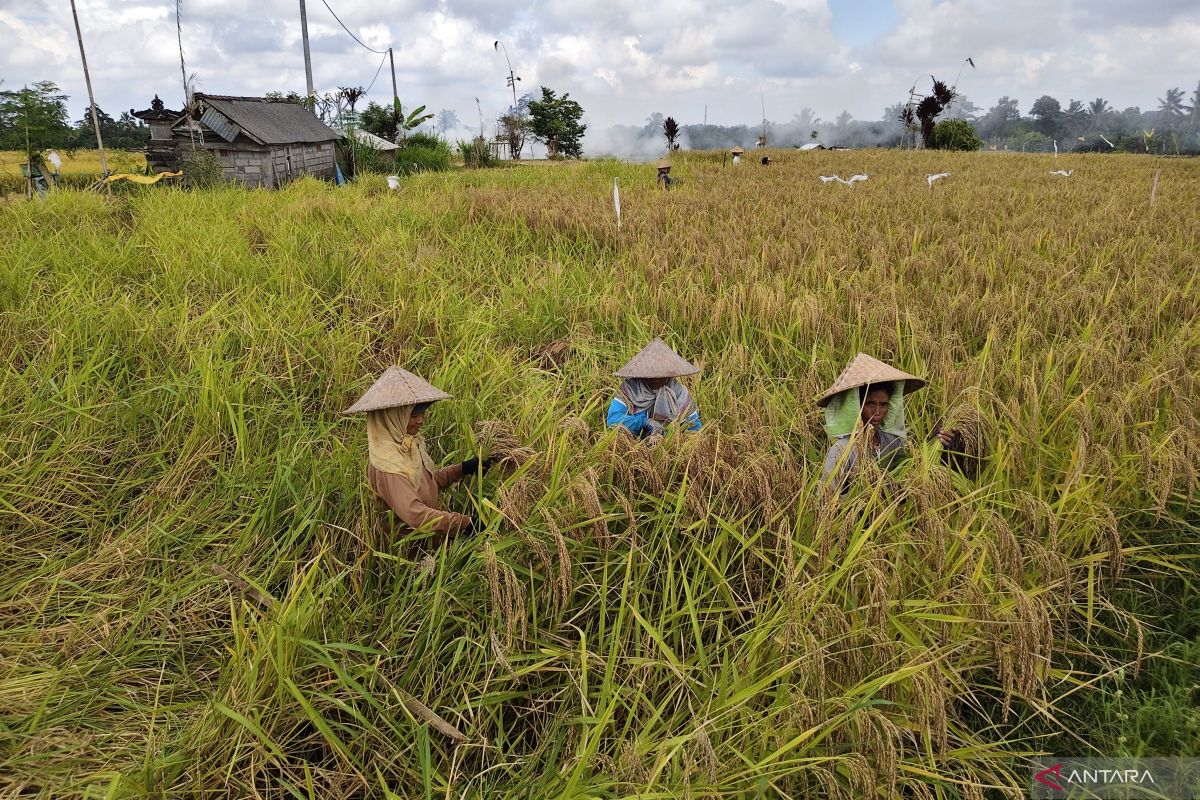
The National Food Agency (Bapanas) has emphasised the importance of regional governments accelerating the preparation of food balance projections to ensure supply and price stability. During a coordination meeting of the central and regional inflation control teams in Tabanan, Bali, Bapanas Director of Food Supply and Price Stabilisation Maino Dwi Hartono revealed that during the January-April 2026 period, 23 districts and cities across Bali, West Nusa Tenggara (NTB), and East Nusa Tenggara (NTT) had yet to compile these projections. In the Bali region, Bangli and Buleleng districts had not prepared the projections, while in NTB, seven districts and cities were at zero per cent completion, and in NTT, 14 districts had not yet started. The affected areas include Bima, Dompu, Bima City, Mataram City, West Lombok, Central Lombok, East Lombok, Belu, Kupang, Lembata, Malaka, Manggarai, West Manggarai, Nagekeo, Ngada, Rote Ndao, Sabu Raijua, Sikka, West Sumba, South Central Timor, and North Central Timor. Hartono explained that food balance projections are used as an early detection system for supply disruptions and food price volatility. Regional governments are expected to use these projections as a guideline for maintaining food availability through initiatives such as low-cost food market operations, food distribution facilitation, food kiosks, provision of logistics infrastructure for perishable products, and inter-regional cooperation. Nationally, as of 24 July 2026, a total of 6,496 low-cost food market operations had been conducted across 447 districts and cities. In the Bali and Nusa Tenggara region, Bali recorded the lowest number of operations at 44, compared to 113 in NTB and 298 in NTT. Bapanas data as of 26 July 2026 indicated that chicken eggs were a commodity at the producer level trading below the reference purchase and sale price, requiring immediate intervention. The reference price for chicken eggs is Rp26,000 per kilogram, while the national average price reached only Rp23,775 per kilogram. At the consumer level, commodities trading above the reference price or highest retail price included garlic in eastern Indonesia and premium rice in provinces located in zone 3 and zone 2.