
Bapanas Strengthens Food Rescue Movement to Curb National Waste
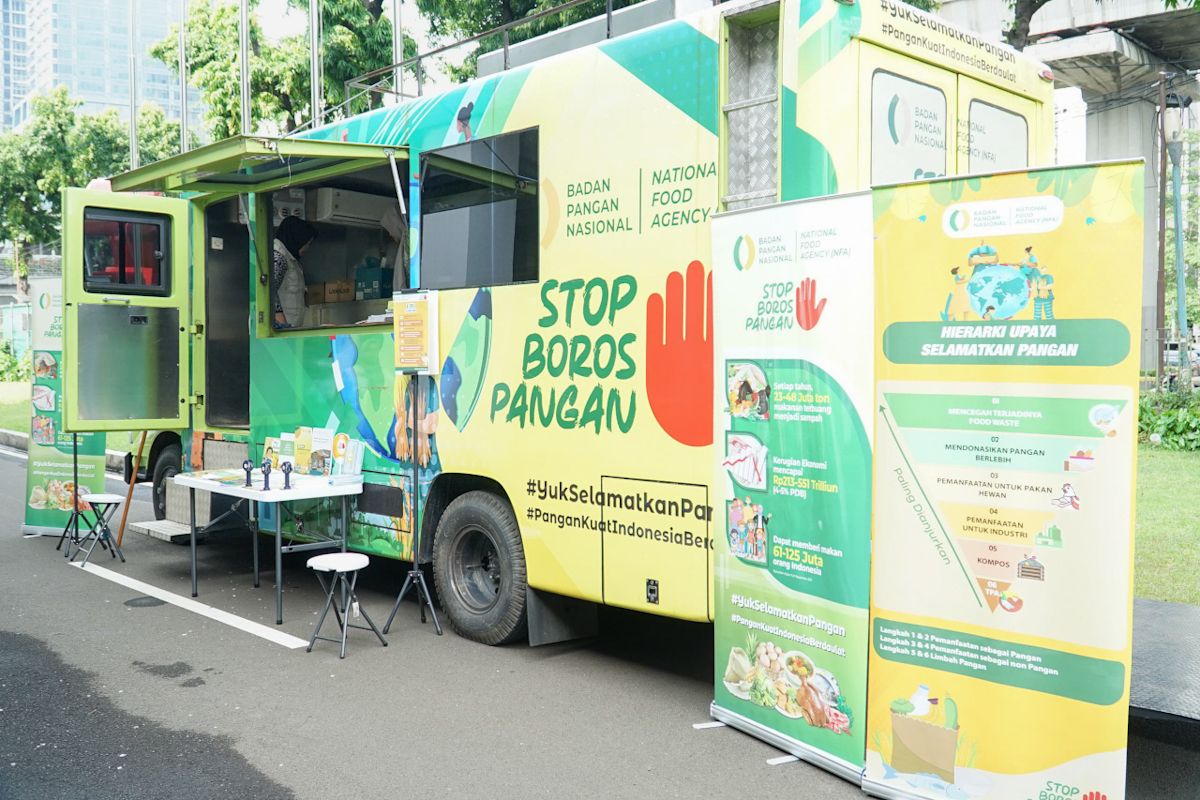
The National Food Agency (Bapanas) is strengthening the Food Rescue Movement (Gerakan Selamatkan Pangan/GSP) through multi-party synergy to curb waste, utilise surplus food, and expand access to edible food for the community. “Every day, a significant amount of food that is still fit for consumption ends up as waste. On the other hand, many people still need access to sufficient and nutritious food,” said Bapanas Director of Food Vigilance Nita Yulianis in a statement in Jakarta on Sunday. She said this contradiction is driving the strengthening of the GSP in various regions, including South Sulawesi, through collaboration between the government, businesses, and the community to ensure surplus food can be utilised before it ends up in the bin. “This is the spirit we brought to the coordination meeting themed ‘Strengthening Multi-Party Collaboration in Preventing and Reducing Food Waste through the Implementation of Stop Food Waste in South Sulawesi’, organised by the Food Security Agency of South Sulawesi Province,” she stated. She expressed appreciation for the local government’s commitment to promoting the GSP. According to her, the success of this effort is largely determined by the synergy of various parties involved in the food system. “Handling food waste cannot be done individually. Strong collaboration is needed between the government, businesses, communities, and the public so that surplus food still fit for consumption can be optimally utilised,” Nita said. Nita explained five main strategies that Bapanas continues to promote: strengthening the conception and framework for food rescue, strengthening policy, implementing food rescue actions, developing multi-party collaboration, and synchronising programmes between central and regional governments. Nita emphasised that local government commitment to food rescue continues to strengthen. To date, 17 provinces and 54 districts/cities have issued instructions or circulars from regional heads as a form of support for the food rescue movement, including South Sulawesi Province. She also appreciated the South Sulawesi Provincial Government for actively reporting food rescue activities through the Stop Food Waste platform. This step is considered important for strengthening data and measuring the impact of food rescue programmes carried out in the regions. As a form of support for strengthening the food rescue movement, South Sulawesi will be one of the regions receiving a food rescue vehicle in 2026. “We hope this facility can be used to expand cooperation networks with the private sector and communities so that more surplus food can be rescued and distributed to the community,” Nita said. Meanwhile, Secretary of the South Sulawesi Food Security Agency, Kemal Redindo Syahrul Putra, said the success of food rescue requires pentahelix synergy involving the government, businesses, academia, communities, and the media. Therefore, his agency is collaborating with various partners such as the National Alms Agency (Baznas), the Indonesian Hotel and Restaurant Association (PHRI), and the Indonesian Hotel General Manager Association (IHGMA) in running food rescue programmes in South Sulawesi. “Collaboration is the key to food rescue. No single party can work alone. By involving various stakeholders, surplus food that is still safe and fit for consumption can be distributed to people in need while reducing the potential for food waste,” Kemal said. He added that food safety aspects are a primary concern in every food rescue process. The South Sulawesi Food Security Agency has mobile facilities, a food safety laboratory, and cold storage that can be used jointly with hotel and restaurant partners to maintain food quality and safety before distribution. “We also open up space for cooperation with hotel, restaurant, and community partners to utilise the facilities we have. Food safety must be a priority so that the food rescue process can run well and benefit the community,” he said. Deputy Chairperson of the Indonesian Buddhist Union (Permabudhi) South Sulawesi, Suzana, said her organisation has been running a food rescue campaign for the past five years through the ‘Ego to Eco’ programme with the taglines ‘Eat Up Without Leftovers’ and ‘Prevent Before It Becomes Waste’. “By putting up posters in hotels, restaurants, cafes, and now also in temples, we continue to invite the public to be wiser in consuming food. Prevention must be done before food ends up as waste,” Suzana said. According to her, the involvement of religious communities is an important part of building collective awareness that food rescue is the responsibility of all elements of society.