
Bapanas Ensures National Garlic Supply Remains Safe and Stable
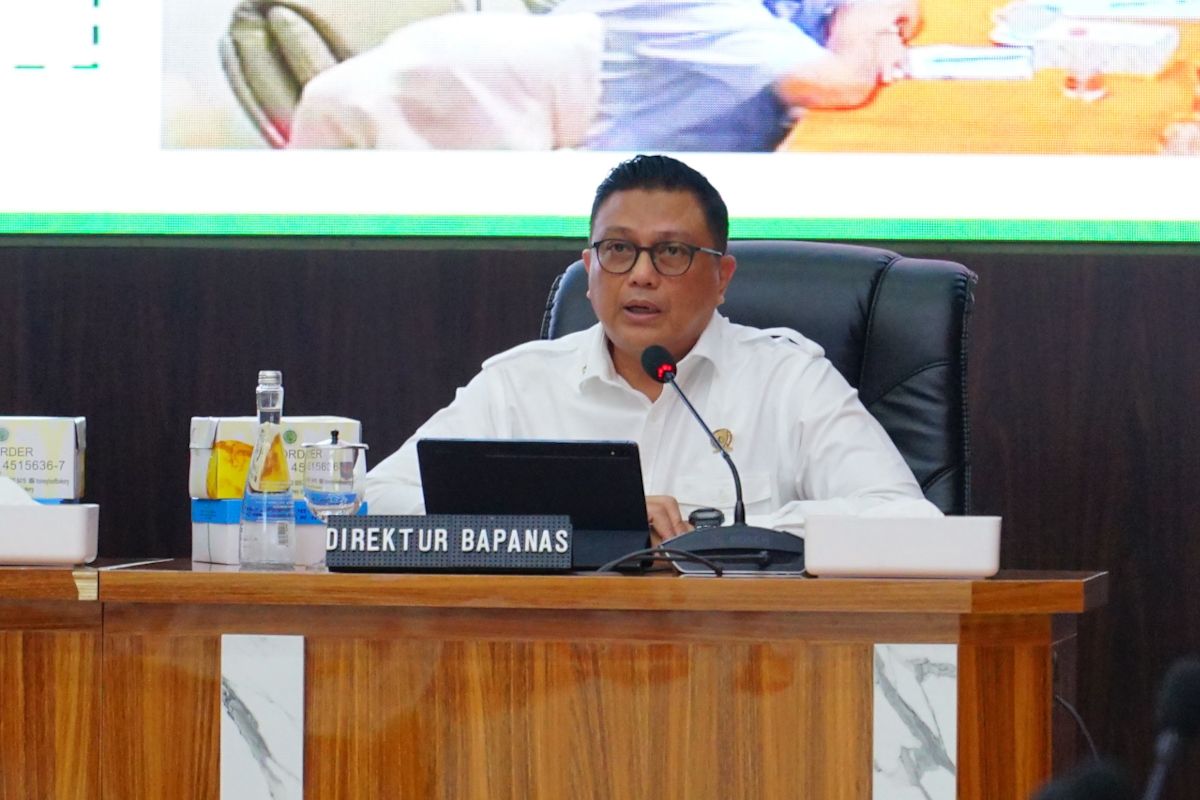
Jakarta (ANTARA) - The National Food Agency (Bapanas) has assured that the national garlic supply remains safe and maintained through strengthened supervision, distribution, and cross-ministerial coordination to stabilise supply and market prices.
Bapanas confirmed that national food inflation is currently well under control, supported by concrete government measures to maintain supply and price stability, particularly for garlic, which has recently drawn attention.
In response to garlic price increases that had triggered inflationary pressure according to Statistics Indonesia (BPS) data, the government convened two coordination meetings in quick succession. The first meeting was led directly by the Deputy Chief of the Indonesian National Police and involved the Secretary General of the Ministry of Agriculture and other relevant parties. This meeting focused on accelerating domestic garlic production to ensure future supply security.
The second meeting was held by Bapanas with related stakeholders to discuss supply developments at two main wholesale markets. At the Kramat Jati Wholesale Market, garlic supply reached 109 tonnes, an increase of 153.49 percent, with prices relatively stable at around Rp23,000 per kilogramme. Meanwhile, at Tanah Tinggi Wholesale Market, prices were also monitored as stable at around Rp29,000 per kilogramme.
Despite the relatively controlled supply and prices at these two main markets, distributors provided input regarding import quota arrangements. They noted that supply limitations could potentially squeeze distribution channels and business margins if price increases cannot be passed on to traders and consumers.
This condition aligns with the assertion of Bapanas Head Andi Amran Sulaiman that the national garlic supply is in a safe condition. Statistics Indonesia recorded that 248 districts and cities experienced garlic price increases in July 2026, a figure that has declined compared to 261 districts and cities in the previous month.
Bapanas has also requested that regional governments improve the accuracy of garlic price monitoring by clearly distinguishing between honan or bonggol type (whole bulbs, not yet separated into cloves) and kating type (already separated into cloves, some even peeled). These two types have different characteristics and price levels, so their recording cannot be treated uniformly.
Bapanas hopes that state-owned food enterprises will also intervene in distribution and supply, especially in areas where garlic prices remain significantly above the reference price. Regional governments are urged to actively participate with interventions that are location-specific, timely, and based on real supply conditions in the field.