
Bapanas Ensures Food Supply Readiness for Dry Season
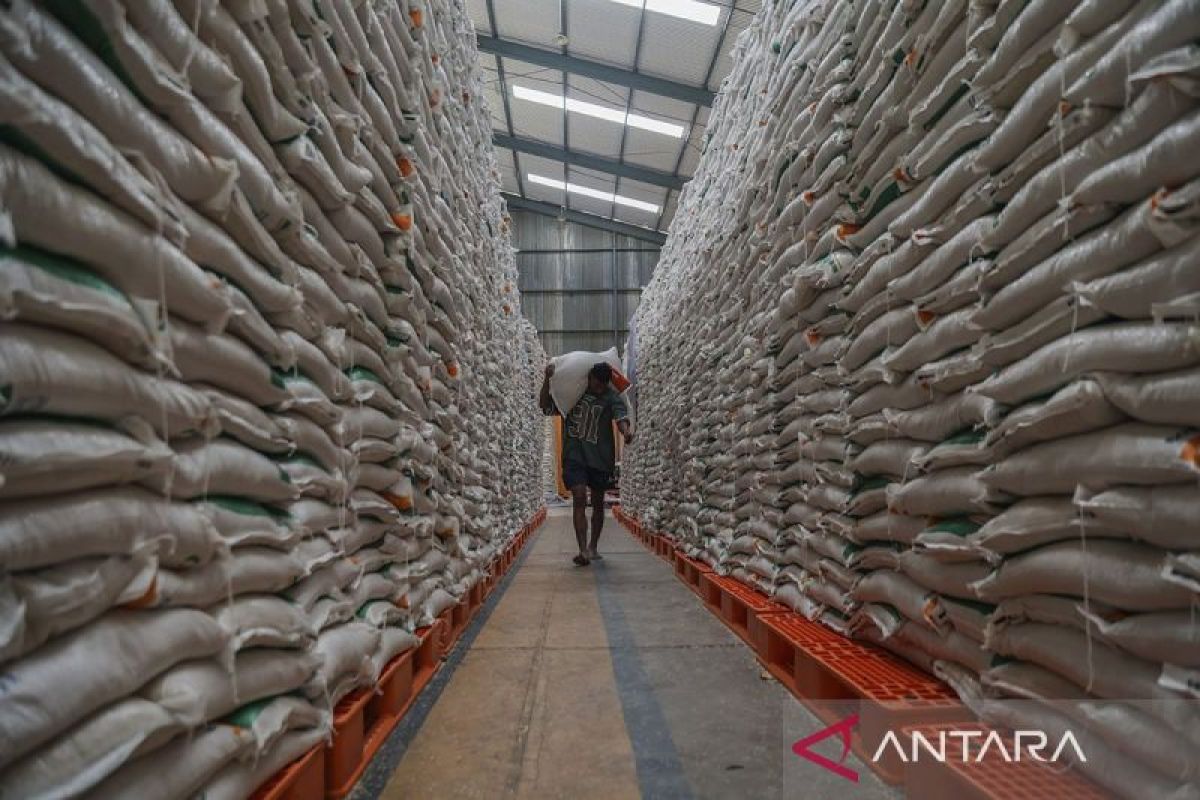
Jakarta (ANTARA) - Head of the National Food Agency (Bapanas) and Minister of Agriculture Andi Amran Sulaiman has confirmed that food reserves beyond rice are ready, supported by strengthened stocks of strategic staples, to meet public needs during the dry season. “We prepared the food supply well in advance to face El Niño. Based on our experience in 2023, thank God, we got through it,” Amran said in a statement received in Jakarta on Friday. According to a Bapanas report, government rice reserves managed by Perum Bulog stood at 5.2 million tonnes as of 8 July. Meanwhile, provincial-level government food reserves totalled 7,340 tonnes by the end of June, with an additional 13,150 tonnes spread across 323 regency and city administrations. Cooking oil reserves were recorded at 1,100 kilolitres and consumer sugar at approximately 2,790 tonnes, both held by Bulog and ID Food. Additionally, chicken meat reserves still amounted to 38 tonnes at ID Food. Regarding perishable commodities such as chillies, shallots, and purebred chicken eggs, Bapanas is optimistic that regular domestic food production can support supply, given the significant production surplus over annual consumption needs. Annual shallot production reaches 1.32 million tonnes against a consumption requirement of 1.25 million tonnes; purebred chicken egg production stands at 6.98 million tonnes with consumption needs of 6.47 million tonnes; and purebred chicken meat production totals 4.89 million tonnes against consumption of 4.02 million tonnes. “August to September is indeed the dry season. June marks the beginning of the dry season. Then in July and August, God willing, our food supply will be safe, especially rice,” Amran explained. Rice self-sufficiency is a priority because rice is the main food commodity with the largest consumption share in the daily lives of Indonesians. Therefore, achieving rice self-sufficiency serves as a benchmark for national food security. “Self-sufficiency means a country imports a maximum of 10 per cent of its needs. Our country does not import medium-grade rice, which means we have achieved perfect self-sufficiency,” he said. Sarwo, a Bapanas official, added, “We remain vigilant in facing El Niño, with robust food reserves, continuously increasing production, stronger distribution, and collaboration among all stakeholders.” One clear piece of evidence of this preparedness is the government rice reserve managed by Bulog, which has reached 5.2 million tonnes. “There are also food reserve stocks for commodities other than rice,” Sarwo stated.