
Banyuwangi's Kemiren Village Transforms Osing Culture into an Economic Engine
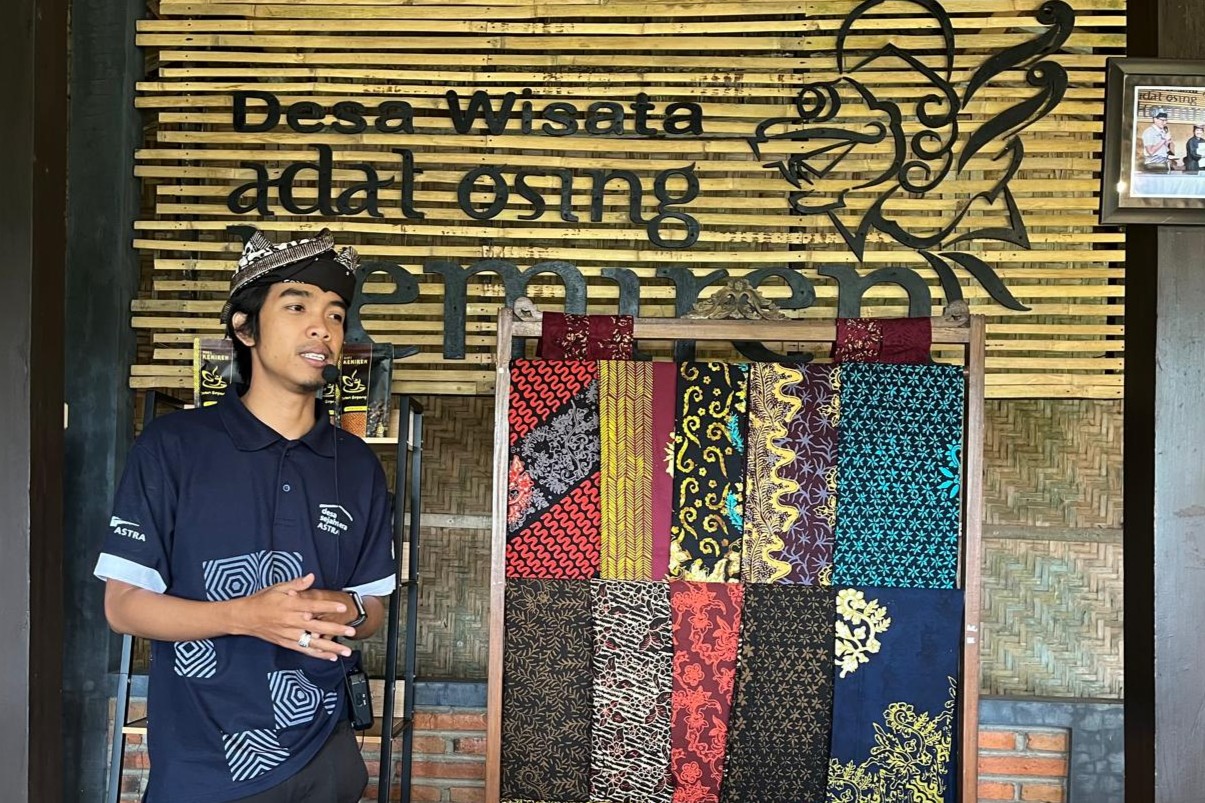
The Desa Sejahtera Astra programme in the Osing Traditional Tourism Village of Kemiren, Banyuwangi Regency, East Java, has successfully boosted the local economy by relying on a culture-based economic model. Instead of depending on natural attractions, the village has transformed its rich traditions and culture into its main assets and sources of income. The driver of the Desa Sejahtera Astra Kemiren programme, Mohammad Edy Saputro, explained that culture is the community’s primary asset for creating business opportunities. This became a creative solution as the village lacks natural tourist attractions such as mountains or beaches. “We don’t have mountains, nor do we have beaches. We don’t even have beautiful terraced rice fields or anything like that. But we have culture,” Edy said in Banyuwangi, East Java, on Friday. The strong Osing cultural potential has been developed into various attractive tourism packages. According to Edy, who is familiarly known as Eday, these offerings include culinary tourism, educational tourism, live-in packages, and meetings, incentives, conventions, and exhibitions (MICE) activities. This diversity of packages opens up wider business opportunities for residents. In the live-in programme, for example, tourists can stay in residents’ homes and experience the daily life of the Osing community. Activities on offer include cooking traditional dishes, making kucur cakes, playing traditional lesung music, batik making, and traditional coffee roasting. To illustrate, the village recently hosted 157 students from 11 cities for a four-day live-in programme. On the same day, 52 other tourists from Jakarta also arrived to enjoy a tour package that included a traditional lunch, a music performance, and education on coffee and batik. Although the majority of Kemiren residents still work as rice farmers, culture-based tourism has now become a more reliable source of income. “Entering the tourism sector is actually one of the ways that is currently relevant given the uncertain state of agriculture. Tourism can provide an easier and more stable way to earn income,” Edy said. These economic benefits are directly felt by the community members involved as homestay owners, MSME players, tour guides, artists, and culinary service providers. Most of them are members of the Tourism Awareness Group (Pokdarwis). This culture-based economic development is strengthened through the Desa Sejahtera Astra programme, which began assisting Kemiren Village in 2024. The Head of Corporate Communications at PT Astra International Tbk, Windy Riswantyo, stated that the programme is part of the company’s social contribution, which has reached more than 1,500 villages across 35 provinces. Windy added that the programme has increased the average income of Pokdarwis members by around 33 per cent, from Rp1.5 million to Rp2 million per month. The assistance also covers sustainability aspects such as waste management, utilising livestock waste into organic fertiliser, and building two biogas facilities. Beyond selling experiences, the people of Kemiren have also developed various MSME products. One of the most famous is Kopi Kemiren Jaran Goyang, which has been developed since 2013. Although the coffee beans come from the slopes of Mount Ijen and northern Banyuwangi, the entire processing and marketing process is carried out in Kemiren. This product is sold for around Rp40,000 per pack. Other products such as kucur cakes, klemben cakes, banana sale, and batik also support the village economy. Thanks to its consistency, the Osing Traditional Tourism Village of Kemiren regularly receives more than 3,000 tourist visits annually. This success has also been recognised with prestigious awards, including the Anugerah Desa Wisata Indonesia (ADWI), the ASEAN Tourism Award 2025, and selection for The Best Tourism Village Upgrade Programme 2025 by UNWTO.