
Banyuwangi Regent Encourages Innovation with Tangible Community Impact
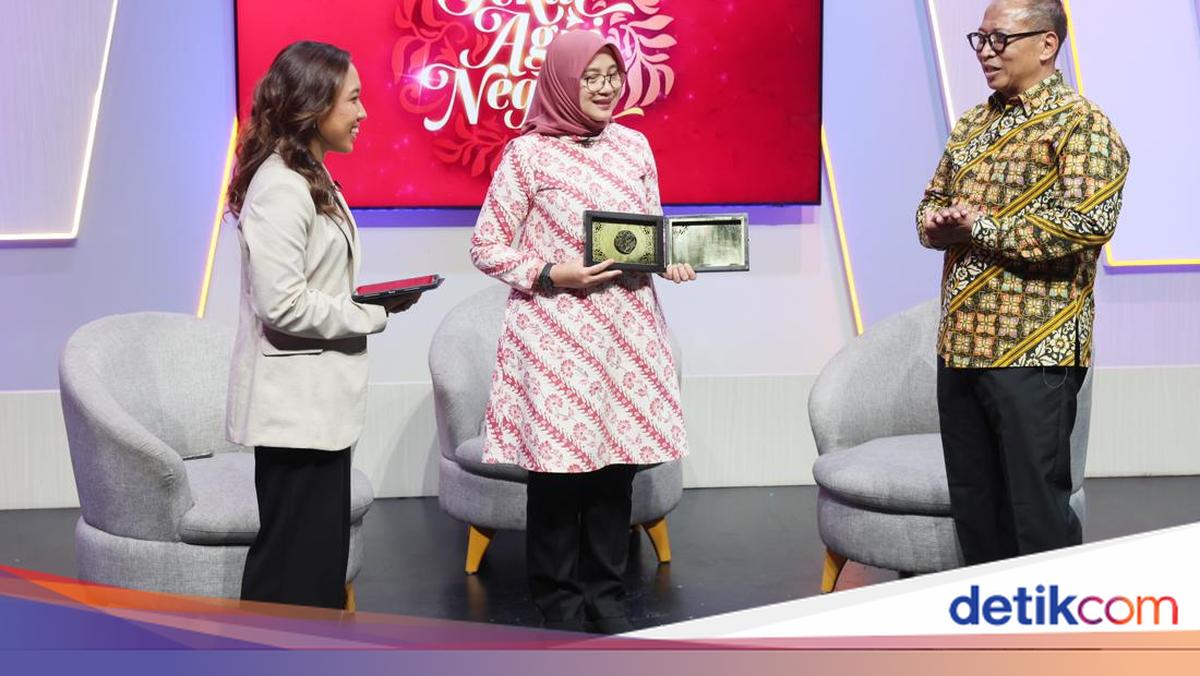
Banyuwangi Regent Ipuk Fiestiandani stated that her administration continuously strives to encourage the creation of innovations that can provide a positive impact for the community. These efforts have led Banyuwangi to become one of the most innovative districts in Indonesia. “We are grateful that Banyuwangi has been the most innovative district for eight consecutive years,” Ipuk said during the Sekar Agni event on Thursday (18/6/2026). Despite this, she emphasised that every innovation introduced is selected selectively. According to her, innovations that do not provide a direct impact on the community will not be a priority. “When we talk about innovation, we are not just talking about information technology or what are often called applications. Innovation takes many forms. In this context, we must see what can truly have a real impact on the community,” she explained. “If we can only create an application, but it turns out not to impact public health, then the innovation has failed. Or, for example, if we create a programme, but it turns out not to meet the community’s needs, then the innovation is not very impactful. So our key is how to carry out innovation in all sectors,” she added. She explained that one of the innovations introduced is the application of digital technology to assist public services at the village to district levels. “We are also a region with the best electronic-based government system. So from the village to the district level, we have used digital technology in public services. But for us, that is not enough,” she revealed. To maximise these innovations, she said her administration also implements a proactive outreach system. This system is designed to help residents who still face difficulties accessing digital services due to various factors. “Digitalisation alone is not enough. Because in some of our areas, there are still people living in forest or mountainous regions, so the signal quality is not yet adequate,” she explained. “Moreover, many of our residents still need to improve their digital literacy. Therefore, in addition to maximising services through digitalisation, we also conduct direct outreach by visiting villages,” she concluded.