
Banyuwangi Offers Homecare Service, Deputy Health Minister Says It Deserves to Be a Model
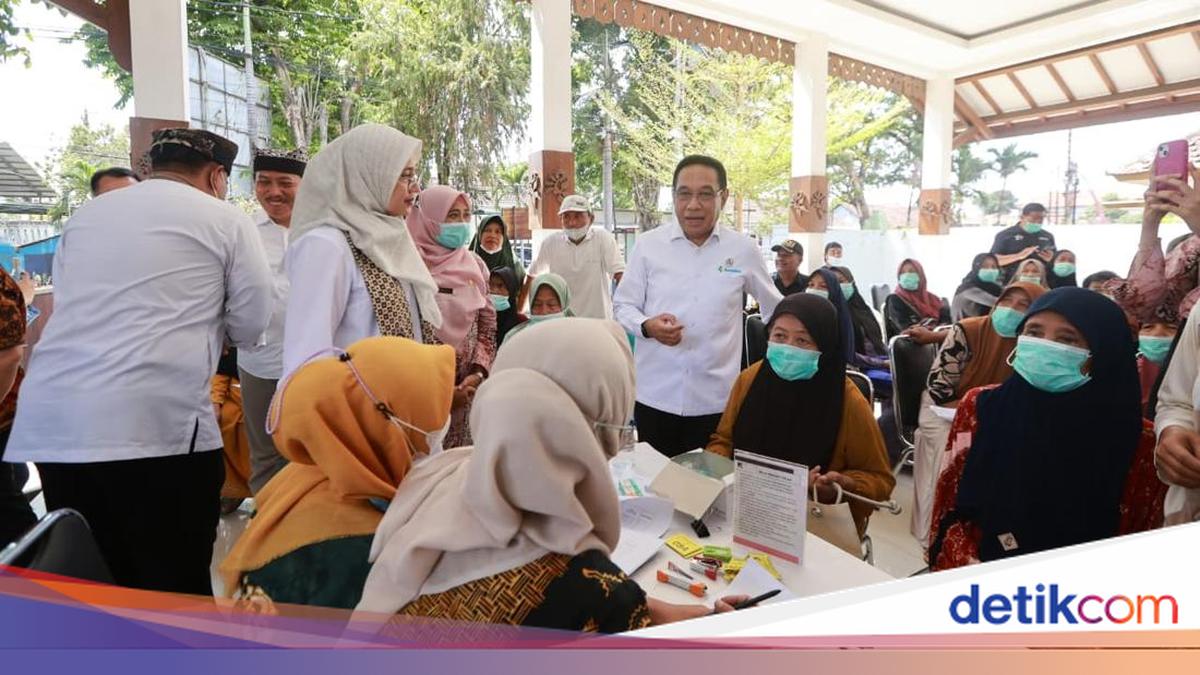
Deputy Health Minister Benjamin Paulus Octavianus has praised health service innovations by the Banyuwangi regency administration in East Java, saying they deserve to become national models. The initiatives include the Jemput Bola Rawat Warga (Jempol Raga) homecare service and the use of real-time health dashboards at community health centres (puskesmas).
Benjamin made the remarks during a working visit to Banyuwangi on 24–25 October 2026. He inspected services at Kabat Community Health Centre and led a readiness assembly for the Jempol Raga programme at Taman Blambangan on Sunday (25 October).
Benjamin said Banyuwangi’s health services focused not only on treatment but also on disease prevention and early detection.
At Kabat Community Health Centre, he highlighted the use of the Simpus Wangi health dashboard, which displays real-time data on visits by residents. The system allows staff to monitor how many people visit the centre, whether for treatment or health checks. The dashboard also shows the progress of the Free Health Check (CKG) programme by age group.
“Very impressive. I have travelled around Indonesia, and this is the first place I have seen with a real-time health dashboard at every community health centre. We can see how many people visit, how many are ill and how many healthy people come in. It turns out that more healthy people are coming. That means its health promotion and prevention programmes are working. It is something to be very proud of,” Benjamin said in a written statement on Tuesday (27 October 2026).
He said the visit data showed that Banyuwangi’s community health centres served not only as places for treatment, but also played a role in disease prevention and early detection.
He added that the approach aligned with the Healthy People Mall programme, which the Banyuwangi administration has developed since 2018 to encourage people to have their health checked before more serious problems arise.
The development of preventive services was also in line with the aims of the CKG programme, one of the government’s priority initiatives. Benjamin highlighted Banyuwangi’s efforts to build a habit of health checks before the national programme was launched.
“The President’s priority programme, Free Health Checks, only started last year. It turns out Banyuwangi began in 2018,” he said.
Benjamin also highlighted the Jempol Raga programme, which enables health workers to visit residents’ homes and provide direct care. He said it was one of Banyuwangi’s innovations for reaching people with limited access to health facilities.
“I have visited 29 provinces and more than 150 regencies and cities across Indonesia. This is the first time I have seen this [homecare service by community health centres], in Banyuwangi,” he said.
His praise for the two initiatives came with the hope that Banyuwangi’s health services would inspire other regions. Benjamin said strengthening primary care, disease prevention and equitable access were important to improving the quality of public health services.
He also pointed to Banyuwangi’s CKG results, which have so far reached 779,635 residents. He said the achievement was supported by the local government’s established practice of providing services and responding to residents’ needs.
“Why is Banyuwangi Regency’s CKG coverage so high and successful? Because it is used to helping its residents,” Benjamin said.
Banyuwangi Regent Ipuk Fiestiandani welcomed the recognition, saying the Health Ministry’s praise would encourage the local administration to continue improving health services.
“We are very grateful that the Deputy Health Minister has praised what we are doing in Banyuwangi. This will spur us to keep developing good services,” she said.
Ipuk said Banyuwangi’s health service development involved disease prevention and direct care for people in need. Over the past five years, health workers had made tens of thousands of home visits, including to remote areas.
“At least 50,000 routine visits have been made by health workers to people’s homes over the past five years, including in remote areas, particularly for low-income residents and older people,” Ipuk said.
She said the effort was part of the Banyuwangi administration’s commitment to expanding access to health services, through both check-ups at community health centres and home visits.
With this approach, the local government aims to ensure that residents, particularly vulnerable groups, can receive health services suited to their needs.
Source: jawawa.id (https://jawawa.id/newsitem/banyuwangi-offers-homecare-service-deputy-health-minister-says-it-deserves-to-be-a-model-1793112712)
Originally published by detikcom (https://news.detik.com/berita/d-8726975/banyuwangi-punya-layanan-homecare-wamenkes-sebut-layak-jadi-contoh), translated from Indonesian