
Bantul Regency Targets Poverty Rate to Drop Below 10 Per Cent
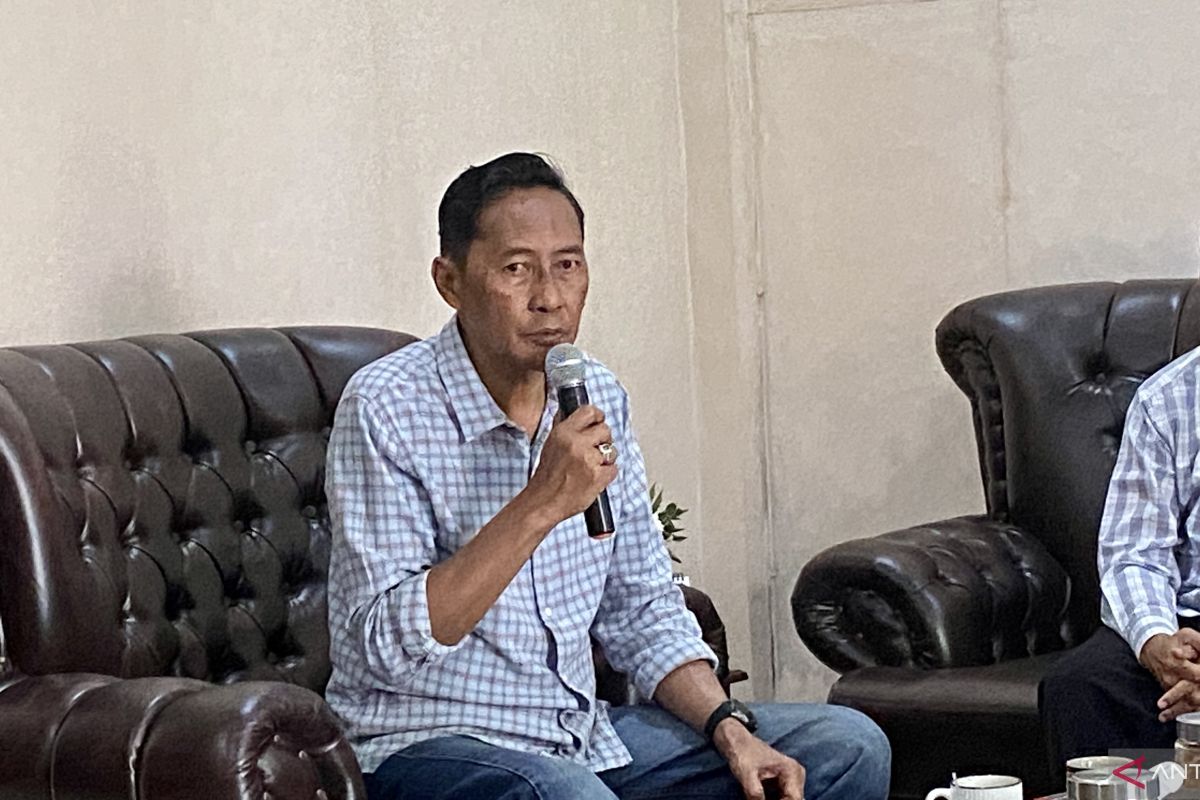
The Bantul Regency Government, Special Region of Yogyakarta (DIY), is targeting a reduction in the poverty rate to below 10 per cent by 2026 through various integrated poverty alleviation programmes.
Bantul Deputy Regent Aris Suharyanta stated in Bantul on Friday that one of the efforts to accelerate poverty alleviation is the integration of data for programme aid recipients. “We will integrate the data of recipients for poverty alleviation programmes, covering both empowerment and economic burden reduction,” he said.
According to him, integrated data serves as the foundation for implementing various supporting programmes to ensure they are more precisely targeted. There are a total of 103 programmes from 13 regional organisational apparatuses (OPD) in Bantul Regency that will be implemented to support poverty alleviation. He urged all OPDs to increase coordination and synergy so that programme implementation can run optimally according to the established targets.
“The poverty rate in 2025 still stands at 11.54 per cent of the total population. The hope is that by 2026, it can drop to below 10 per cent,” he said.
He noted that poverty indicators in Bantul Regency are influenced by various factors, including unemployment, lack of permanent employment, and ineffective family financial management. For instance, newlyweds who are not yet prepared to manage family finances are one of the factors driving poverty in Bantul.
Consequently, the Bantul Regency Government will collaborate with the Financial Services Authority (OJK) to provide education on financial management to prospective brides and grooms as an effort to suppress poverty rates. “Through our cooperation with the OJK, we will organise socialisations for prospective newlyweds, providing them with education to train their mindset to be prepared in managing finances well,” he said.
Additionally, the Bantul Regency Government will prepare various forms of assistance for poor families as part of the implementation of priority programmes. “We will maximise the provision of assistance in the form of cash, entrepreneurship training, easier access to education, and labour-intensive programmes, which are hoped to contribute to poverty alleviation,” he added.