
Bantul Community Transforms Plastic Waste into Alternative Fuel, Empowering Locals
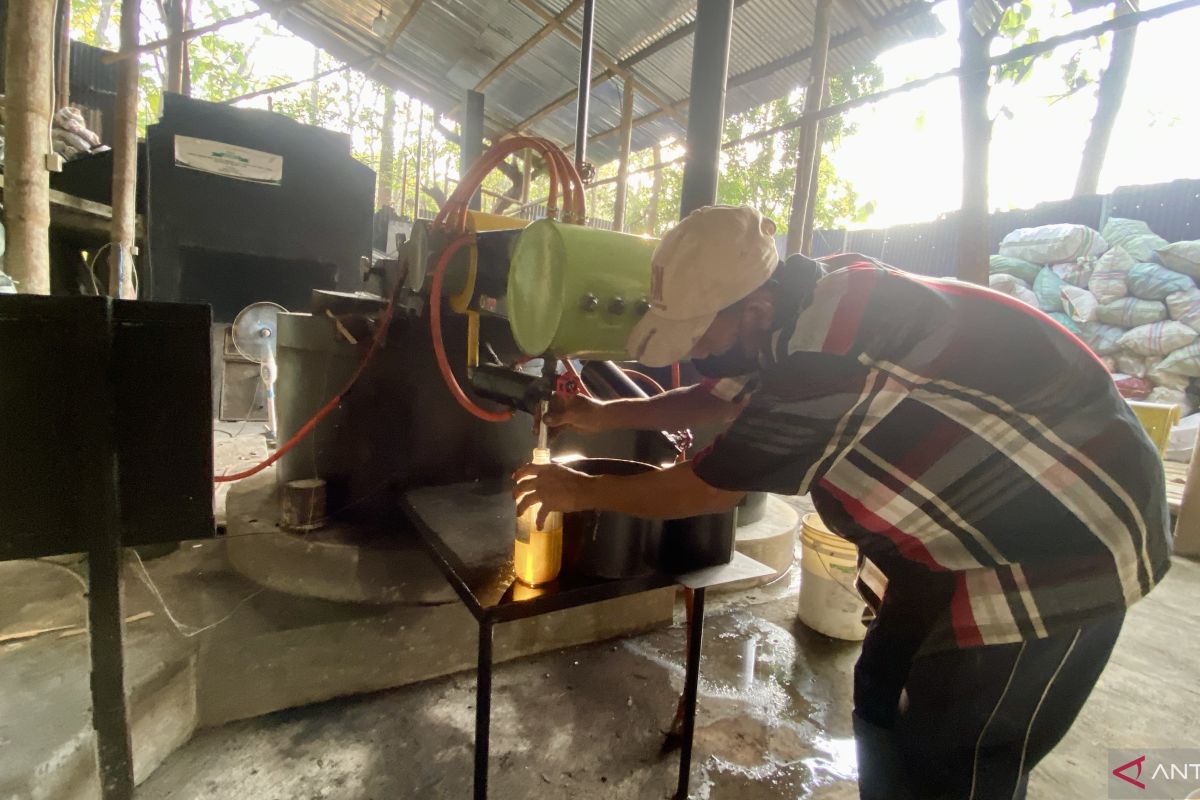
The roar of waste collection trucks breaks the silence of the Imogiri hills in Bantul Regency. One by one, the vehicles enter the yard of the Integrated Waste Treatment Plant (TPST) managed by the Pilah Berkah Community Group (KSM). Here, kilograms of rubbish are unloaded, sorted, and transformed into something valuable.
In the processing area, activity is nearly non-stop. Workers sort waste by type, while others unload trucks, forming a human chain in a waste management system built over years. At the back of the building, thin smoke rises from a large furnace. Inside, a pyrolysis machine works to convert plastic waste into Petasol, an alternative fuel and the group’s latest innovation.
This journey did not happen overnight. Founded in 2017, KSM Pilah Berkah initially focused on a community-based waste management concept through a ‘sedekah sampah’ (waste alms) programme. The group was formed out of a concern that many similar initiatives were ceasing operations due to poor management.
“At KSM Pilah Berkah, I implemented waste management governance, both for community-based and industrial areas,” said Arif Sholikin, the programme consultant for KSM Pilah Berkah, on Friday (24/7).
Starting with just four members and almost no income, the founders struggled to keep the organisation afloat. Their first partner was only in Wukirsari Village, Imogiri. Now, their partnership network has expanded to ten villages. Over the years, Arif and his team have provided intensive assistance, from socialisation and practical waste management training to institutional development and work system formulation, all to build a sustainable waste management ecosystem.