
Banten Provincial Government Partners with 801 Private Schools in Free School Programme
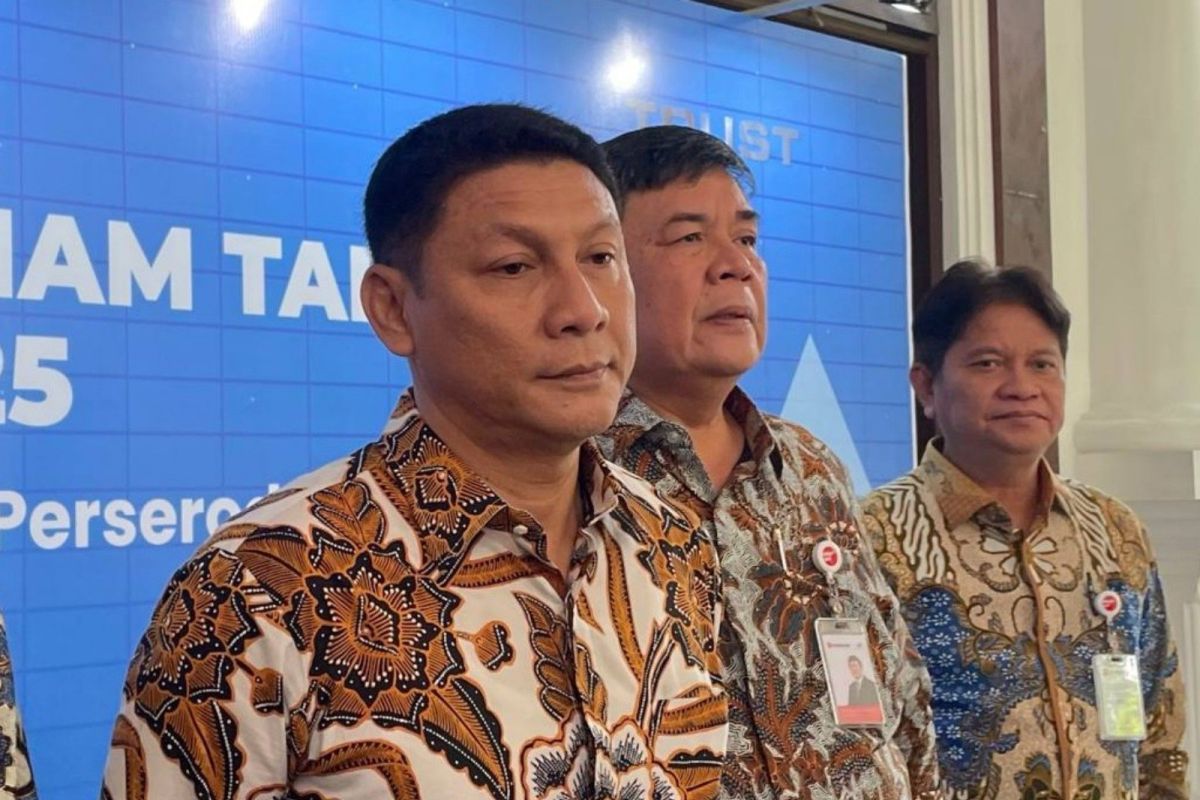
Serang (ANTARA) - The Banten Provincial Government is strengthening the reach of education by partnering with 801 private secondary schools, vocational schools, and skills schools in the free schooling programme for the 2026/2027 academic year. “This step is taken to ensure that students who are not accommodated in public schools still receive their right to quality education without financial barriers,” said the Secretary of the Banten Provincial Regional Secretariat, Deden Apriandhi, in Serang on Thursday. He stated that this programme is a direct mandate from the Governor and Deputy Governor of Banten, who view education as a vital instrument towards Indonesia’s Golden Vision 2045. “Starting from last year, free schooling for private institutions has been launched. There are 801 schools with a capacity of around 60,000 students. If not accepted in public schools, the public can utilise this programme,” he said. Deden emphasised that the limited capacity of public schools must not become an obstacle for children in Banten to attend school. Therefore, the integrity of school principals and educators is strongly emphasised to ensure that the selection process and educational services run objectively. This stage is used as a process for validating administrative data, from family cards, report cards, to other supporting documents through the portal https://spmb.bantenprov.go.id/. “To date, around 70,000 students have registered in the Pre-SPMB stage. The aim is for the system to be free of issues with domicile data or grades when official registration opens on 10 June,” said Jamaludin. The Banten Provincial Government continues to provide four main pathways for public high school levels: the domicile pathway at 35 per cent, divided for the school environment and region; the achievement pathway at 30 per cent, covering academic grades and non-academic achievements; the affirmative pathway at 30 per cent, prioritising economically disadvantaged families and those with disabilities; and the mutation pathway at 5 per cent for parental/guardian job transfers. “For public vocational schools, selection focuses on average report card grades at 30 per cent, academic tests at 20 per cent, and interest and aptitude tests at 50 per cent, to ensure students match the chosen expertise concentration,” he said.