
Banten Labour Department backs development of vocational high schools aligned with industry
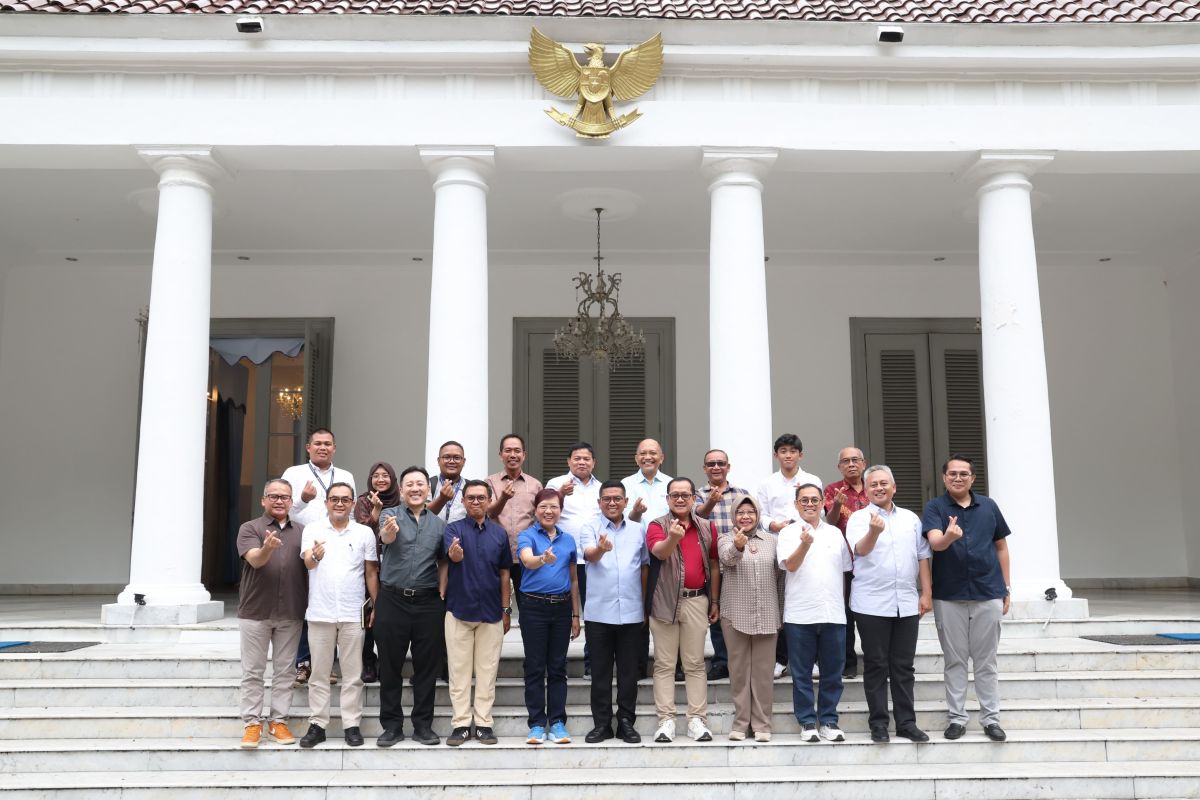
The Banten Province Department of Manpower and Transmigration (Disnakertrans) supports the development of a pilot project for a ‘link and match’ vocational high school (SMK) aligned with industry, initiated by Governor Andra Soni in collaboration with the SMK Mitra Industri MM2100 Foundation. ‘Disnakertrans together with the DPMPTSP is ready to facilitate communication with industry in this program,’ said Septo Kalnadi, head of the Banten Province Office of Manpower and Transmigration, in Serang on Thursday. He said the programme is currently in the site selection stage, followed by the establishment of the foundation, licensing and other requirements. ‘Hopefully the new academic year can be in operation,’ Septo said. He hopes this pilot SMK ‘link and match’ project can succeed so that it can be developed in other industrial estates in Banten, not only planned for the Modern Cikande Industrial Estate in Serang Regency and Sawah Luhur Industrial Estate in Serang City. ‘We hope it will become a model and can be developed elsewhere,’ Septo said. Previously, Governor Andra Soni together with the SMK Mitra Industri MM2100 Foundation planned to promote vocational education integrated with the needs of human resources (SDM) ready to work. There are two SMKs to be used as pilot projects, planned to be built in two industrial estates: in the Modern Cikande Industrial Estate in Serang Regency and in the Sawah Luhur Industrial Estate, Serang City. Currently, the SMK Mitra Industri MM2100 Foundation is conducting a feasibility study (FS) in both areas. The considerations are based on location and topography, the number of school-aged children, the number of SMKs in the surrounding area, and the growth of the local economy. Andra Soni is determined to realise vocational education that is integrated between the world of education and the world of work (link and match) which has long been desired. Vocational education is one of the efforts to produce human resources that are outstanding and to reduce the Open Unemployment Rate (TPT) in Banten Province. ‘How vocational school graduates should really be ready to work,’ Andra Soni said when receiving visits from the management of the SMK Mitra Industri MM2100 Foundation along with the board of the Indonesian Employers Association (APINDO) of Banten Province at the State Building in Serang City on Thursday (14/5). With the experience already undertaken by the foundation in several regions, Andra Soni is confident the pattern developed can be applied in Banten Province. Moreover, Banten is blessed with a strategically located geography, close to the capital and as a cross-border area between Java and Sumatra. Moreover, there are about 8,924 industries operating in Banten Province from small to large. By optimising the vocational education model together with the SMK Mitra Industri Foundation, he hopes that in the future SMK graduates can be absorbed as reliable and professional workers. Meanwhile, Darwoto, Chairman of the SMK Mitra Industri MM2100 Foundation, said the flagship program of SMK Mitra Industri is character education. This education teaches how students can adapt to the industry world with various skills, knowledge and industry-based trainings. ‘We are ready to collaborate with the Banten Provincial Government in preparing outstanding human resources,’ he said. Based on the considerations, the two locations to be used as pilot vocational schools are still open, but in a highly competitive situation. This is shown by the number of high school and vocational school students being larger than junior high school graduates, leading to competition for student recruitment. In addition, the vocational schools located around the area are, according to him, not yet fully meeting industry needs. For example, in both industrial estates, most schools are dominated by majors in Network Computer Engineering (TKJ). Meanwhile, 25 modern Cikande industries are metal works (jobs related to metals) and manufacturing industries in Kasemen Industrial Estate. ‘Therefore, it is better that the majors opened at the SMK align with industry labour demands, such as logistics management, welding technology, mechatronics technology and machining technology,’ he said.