
Bantargebang Waste-to-Energy Project Hindered by Regulatory Synchronisation Issues
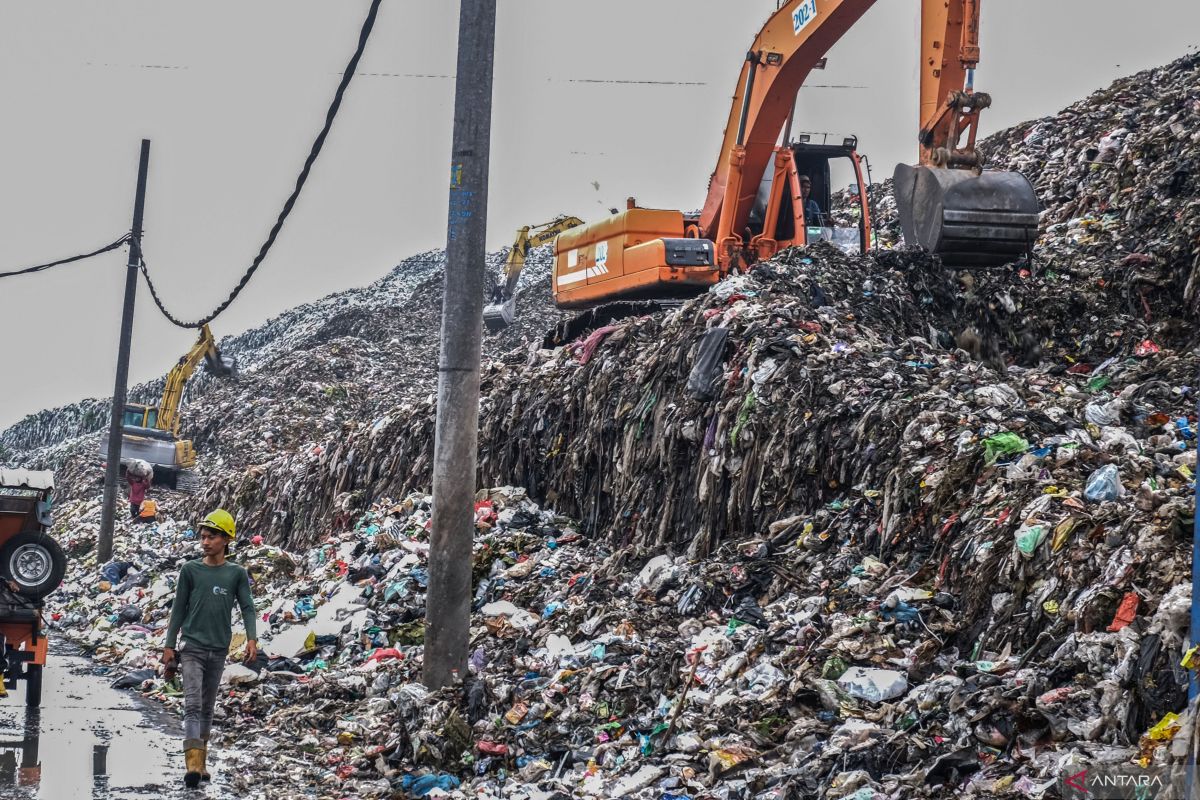
DKI Jakarta Provincial Government is accelerating the development of a Waste-to-Energy Plant (PSEL) to reduce reliance on the Bantargebang landfill. Head of DKI Jakarta’s Environment Agency, Dudi Gardesi, stated that construction is currently in the technical and legal preparation phase.
Mr. Gardesi explained that a memorandum of understanding for the PSEL project was signed between the DKI Jakarta Environment Agency and PT Danantara Investment Management.
He added that inter-ministerial coordination is ongoing to expedite the project’s implementation.
“The Environment Agency continues to coordinate with the Coordinating Ministry for Food Affairs, the Ministry of Environment, Danantara, and relevant parties to accelerate the PSEL facility’s development,” Dudi told Media Indonesia on Monday (25 May).
He said technical and legal aspects are the main focus before moving to further implementation.
Mr. Gardesi acknowledged the PSEL project faces several challenges, including regulatory synchronisation, land readiness, and adapting technology to Jakarta’s waste characteristics.
Beyond relying on PSEL, the DKI Jakarta government is implementing source reduction strategies. Dudi aims to significantly reduce the volume of waste sent to Bantargebang through community-level sorting and processing programs.
He stated that only residual waste will be sent to Bantargebang and the PSEL facility, while organic and inorganic waste will be managed at source.
“We are promoting various processing methods such as composting, biopori, BSF maggot biotransformation, ecoenzymes, and collecting kitchen organic waste (SOD) at the neighbourhood level. Economically valuable inorganic waste will be directed to waste banks and recycling chains,” he added.
The Environment Agency has established task forces at departmental levels down to regency and city heads. Monitoring includes waste sorting at source, segregated waste transportation, waste bank activity, and periodic reporting on waste reduction achievements across regions.
To tackle the growing waste crisis, the DKI Jakarta government has mandated household waste sorting via Governor’s Instruction No. 5 of 2026.
The Ministry of Environment stated that Bantargebang landfill will only accept residual waste from 1 August 2026.
Jakarta Governor Pramono Anung believes the waste stock at Bantargebang is sufficient for landfill gas power plant fuel via cut-and-fill methods.
The Bantargebang landfill is no longer just a local issue. By 2025, it is projected to be among the world’s largest methane emitters, placing Indonesia’s waste crisis squarely in the global climate change agenda and raising urgent questions about its impact and preparedness.
DKI Jakarta Regional House of Representatives’ Waste Management Special Committee Chair Judistira Hermawan stressed the need for swift action to implement concrete solutions on the ground.
There is a risk of economic traps through Take-or-Pay contracts, which typically require minimum waste supply for 20 to 30 years.
PSEL development is being approached through the Manado Raya agglomeration, including Manado City, Bitung City, Tomohon City, Minahasa Regency, and North Minahasa Regency.
The programme is a direct directive from President Prabowo Subianto as a strategic move to address waste issues.
To support the waste-to-energy project, Makassar City has prepared 5 to 7 hectares of land around the Antang landfill.
Tegal Regency government data shows daily waste generation of 670.38 tonnes, with only 5.3% successfully processed.