
Bantargebang Waste Picker Families Trapped in a Cycle of Poverty
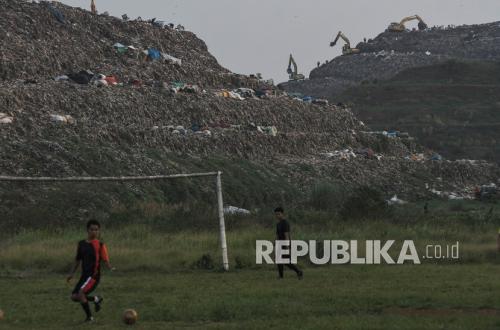
The vulnerabilities experienced by the waste picker community at the Bantargebang Integrated Waste Treatment Plant (TPST) are not only linked to harsh working conditions but are also influenced by economic, institutional, health, and climate change factors. These conditions are considered to create a cycle of vulnerability that can persist into the next generation.
Junior Researcher at The SMERU Research Institute, Viona Gunawan, stated that research conducted with Greenpeace Indonesia shows the problems faced by waste pickers are structural in nature and cannot be resolved solely through a technical waste management approach.
“The vulnerability of these waste pickers is structural, not just technical. Technical solutions such as RDF and PLTSA already exist, but they are not yet participatory enough to empower vulnerable groups,” Viona said during an online discussion titled “Behind the Mountain of Waste: Contributions, Vulnerabilities, and Welfare of Bantargebang Waste Pickers” on Thursday (18/6/2026).
The research identified several factors that amplify the community’s vulnerability. From an economic perspective, fluctuating prices of recyclable materials make their income uncertain. At the same time, limited formal employment opportunities around Bantargebang leave many residents with no alternative livelihoods.
Institutional issues also pose a challenge. The registration of waste pickers is considered suboptimal because many are seasonal migrants who come from other regions when work in their hometowns diminishes.
Furthermore, climate change increases the risks faced by waste pickers. During the rainy season, the threat of landslides from waste mountains rises, while wet recyclable materials suffer a decline in selling value.
“If wet waste is sold to collectors, there is a deduction of about 30 to 40 percent from the price,” Viona noted.
The research also found ongoing barriers to accessing social protection. Several small-scale waste management business operators admitted difficulties in registering their workers for the BPJS Ketenagakerjaan programme due to unclear administrative mechanisms.
Civil registration problems further worsen the social conditions of residents. Many waste pickers do not process the transfer of their identity documents because they still consider their home regions as their primary residence. As a result, some families struggle to access social assistance and other public services.
This situation also impacts children. In several cases, they face obstacles in obtaining the documents needed to access educational services.
From a health perspective, the research found residents face risks due to the proximity of settlements to the waste disposal area. Exposure to leachate and air pollution is said to potentially cause various health problems.
Viona said many children experience respiratory issues due to methane gas exposure. Additionally, poor water quality has the potential to trigger various other health problems.
Cramped housing conditions further worsen the situation. Some families store sorted waste inside their homes, causing living spaces to mix with materials collected from the disposal area.
The research also highlighted the lack of safe play spaces for children. Much of the land is used for waste management activities, so children often play near or even on top of the waste mountains.
Despite this, the research noted several factors that help reduce the community’s vulnerability. The DKI Jakarta Provincial Government provides compensation assistance for communities affected by the TPST Bantargebang, while civil society organisations offer educational services, administrative assistance, training, and health support.
At the community level, solidarity among residents serves as important social capital. Waste pickers often collect money when a colleague suffers a work accident or passes away. Some residents who have managed to improve their economic status by becoming collectors also create job opportunities for fellow waste pickers.
SMERU and Greenpeace recommend integrated data collection on waste pickers between the DKI Jakarta Provincial Government and the Bekasi City Government, expanded BPJS access without administrative barriers, provision of safe spaces for children, and strengthening of community economic institutions through cooperatives.
According to Viona, the waste management system transformation currently being promoted by the government must ensure that vulnerable groups such as waste pickers remain involved and benefit from the changes taking place.
“With the new waste management transition, we need to pay attention to how to involve this vulnerable community in the latest waste management scheme,” she said.