
Bantargebang Methane Gas Under Scrutiny, Jakarta DPRD Urges Waste Revolution
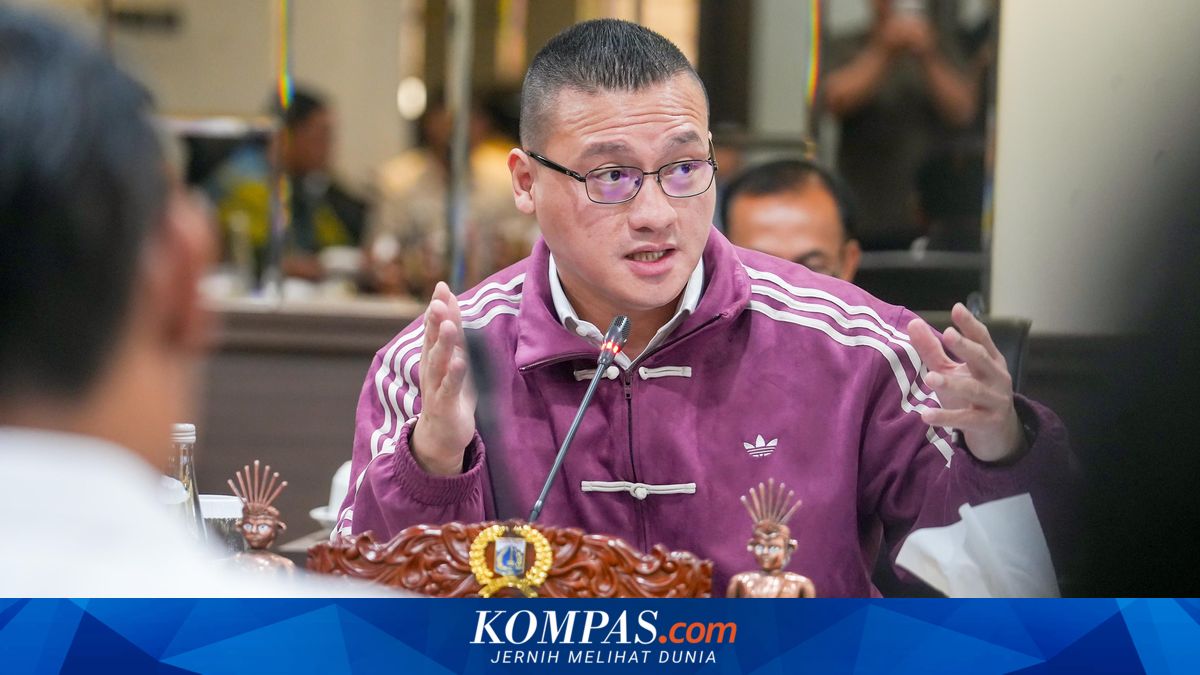
The Jakarta DPRD is demanding a major change in Jakarta’s waste management system after the Bantargebang Integrated Waste Treatment Site (TPST) was identified as one of the world’s largest contributors to methane gas emissions. Hardiyanto Kenneth, a member of Commission C of the Jakarta DPRD, stated that waste issues are no longer merely a matter of urban cleanliness but have evolved into a threat to the environment and public health.
“The methane gas from Bantargebang, which is now under global scrutiny, serves as an alarm for Jakarta. The waste problem can no longer be viewed simply as a matter of collection and final disposal,” Kenneth told Kompas.com via a short message on Sunday (17/5/2026).
The situation is exacerbated by Jakarta’s high volume of waste, which still relies on the ‘collect-transport-dump’ pattern. “As a result, Bantargebang has become a giant accumulation point for waste that continuously produces methane gas. If this situation is left without serious policy transformation, we are bequeathing an environmental time bomb to our future generations,” he said.
Kenneth requested that the Jakarta Provincial Government begin a revolution in waste management from the source, including waste reduction at the origin, household sorting, and the strengthening of recycling efforts. He also assessed that Jakarta cannot continue to rely on Bantargebang as its primary final disposal site.
Furthermore, Kenneth encouraged the accelerated development of modern waste processing facilities, such as Refuse Derived Fuel (RDF), waste-to-energy plants, large-scale composting, and the optimisation of methane capture to be used as energy. “We must be brave enough to invest in more modern and sustainable waste processing technologies. Many countries have already turned waste into a source of energy and a new economic resource,” he said.
Kenneth also highlighted the social and environmental impacts felt by residents near Bantargebang, ranging from air pollution and pungent odours to health disturbances. “Residents around Bantargebang have borne the burden of Jakarta’s waste for far too long,” he added.
Previously, a recent report from the Emmett Institute at the University of California, Los Angeles (UCLA) School of Law placed TPST Bantargebang in second place globally as a waste sector site with the largest methane emissions. In the report titled ‘Spotlight on the Top Methane Plumes in 2025; Landfills’, released on 20 April 2026, Bantargebang was reported to produce methane emissions of approximately 6.3 tonnes per hour.