
Bantargebang Integrated Waste Processing Plant Becomes the World's Second-Largest Methane Producer, Says UGM Expert
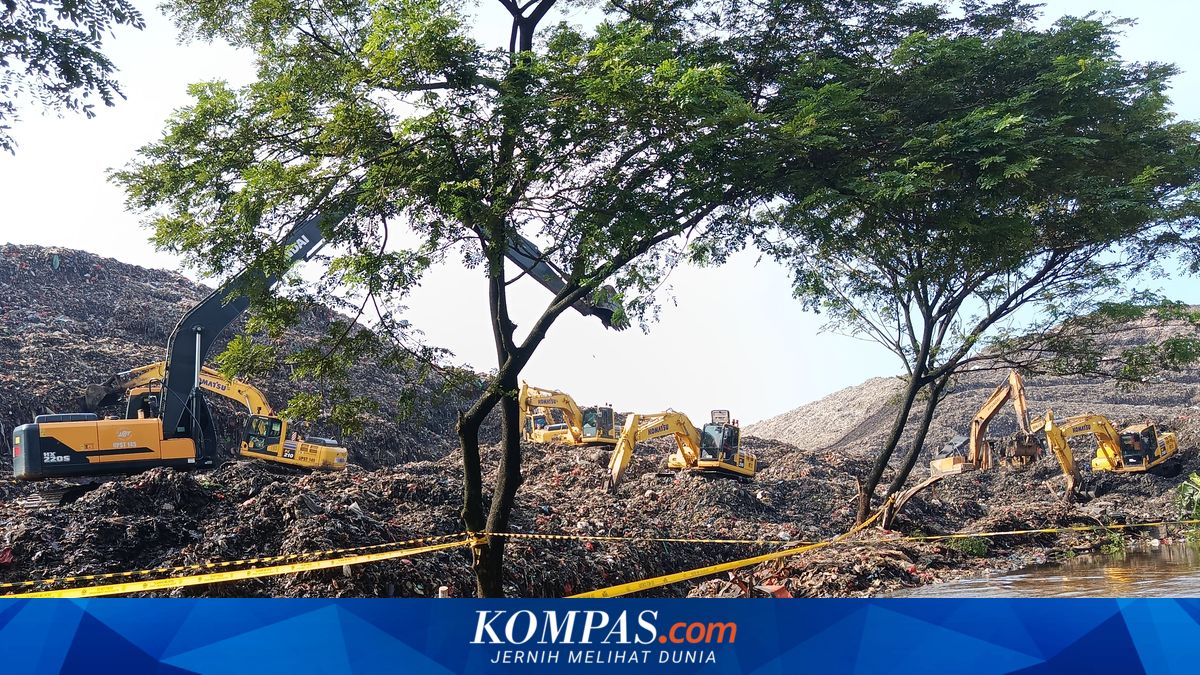
KOMPAS.com – The Bantargebang Integrated Waste Processing Plant (TPST Bantargebang) in Bekasi, West Java, has again attracted international attention. The area, often described as Southeast Asia’s largest waste processing facility, was reported to rank second among the world’s largest methane gas producers from the waste sector. Bantargebang trails Campo de Mayo Landfill in Buenos Aires, Argentina. A Carbon Mapper satellite report captured the startling fact that the two giant landfills produce methane emissions at a massive scale, exceeding 6 tonnes per hour. Waste biorefinery expert in bio-waste, sustainable energy, and carbon dioxide removal technology and lecturer in Chemical Engineering at Universitas Gadjah Mada (UGM), Hanifrahmawan Sudibyo, S.T., M.Eng., M.S., Ph.D., dissected the scientific reasons behind this phenomenon. Hanif explained that methane is a greenhouse gas formed from the breakdown of organic matter under anaerobic or oxygen-poor conditions. Within the Bantargebang waste piles, the mix of organic waste with heavy rainfall and moisture, and the soil’s low porosity creates anaerobic pockets. The moist conditions and the limited oxygen supply create an ideal environment for methane-producing microbes, he said, on Monday (18 May 2026). Specifically, the main actors behind methane production are methanogenic archaea, a group of anaerobic microbes that operate in the late stages of decay. Initially, other microbial communities break down complex organic compounds into simple substances such as organic acids, hydrogen, and carbon dioxide. These simple compounds are then consumed by methanogenic archaea and converted into methane. If not managed, the gas would escape into the atmosphere, damaging the atmospheric layer. Although methane is a natural part of the Earth’s carbon cycle through biodegradation, unmanaged waste accumulation causes its emissions to rise to climate-threatening levels. In the short term, the global warming potential of methane is far greater, trapping heat many times more effectively than CO2.