
Banking Liquidity Maintained: Government Funds in Himbara Rise to IDR 400 Trillion
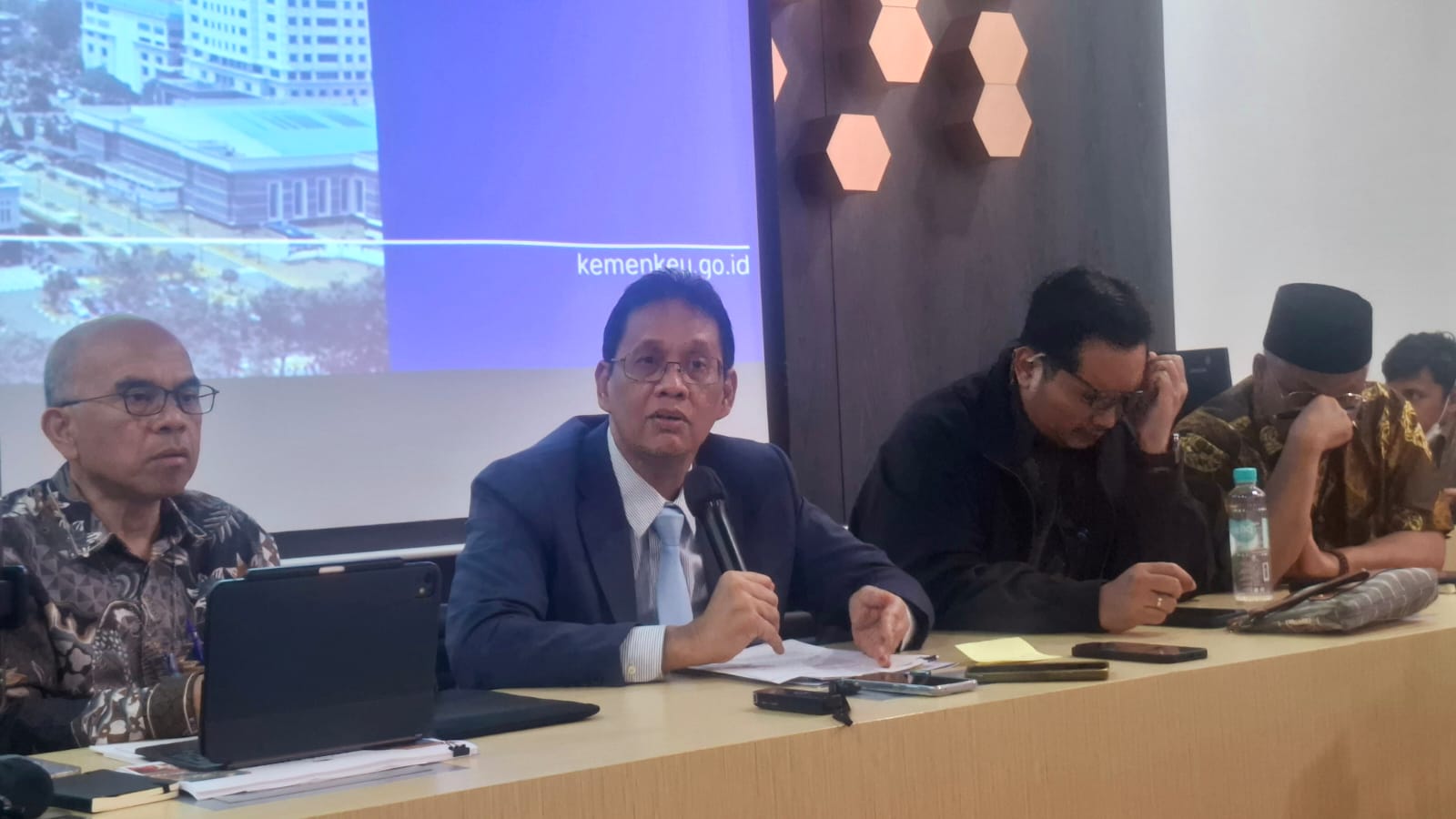
Finance Minister Purbaya Yudhi Sadewa has decided to increase the placement of government funds in banks belonging to the Association of State-Owned Banks (Himbara) to around IDR 400 trillion as an effort to maintain banking liquidity. He explained that last year the government placed approximately IDR 300 trillion in Himbara. However, in recent months, some of these funds were withdrawn, leaving around IDR 170 trillion. Subsequently, the government added placements of around IDR 200 trillion with a long-term tenor. In addition, the government will add IDR 100 trillion with a placement period of three to four months, plus flexible additional funds of around IDR 70 trillion to IDR 100 trillion that can flow in and out as needed. “So, the total is IDR 400 trillion,” said Purbaya at the Ministry of Finance office in Jakarta on Friday (26/6). According to Purbaya, the decision to return government funds to Himbara was taken after concerns emerged about banking liquidity conditions beginning to dry up due to the previous withdrawal of funds. “Liquidity there was starting to dry up. I told them I would return the government’s money to Himbara, and I even increased it,” he said. He revealed that the plan to add funds had just been discussed with Himbara officials on Friday morning. Purbaya disclosed that the government had begun withdrawing some of the funds placed in Himbara banks about two weeks ago. However, the withdrawn funds could not be immediately replaced, triggering concerns about banking liquidity conditions. “So, some said my move was wrong, but it turned out that is the only engine for economic growth at this time. So we put it back,” he stressed. With the additional fund placement, he is optimistic that banking liquidity conditions will ease again, causing the cost of funds to decline and economic activity to move faster. “So there will be sufficient liquidity in our banking sector. So interest rates in the market should fall. The economy is ready to run again,” said Purbaya. He added that the decision to return the funds also considered the President’s directive to maintain economic growth momentum. According to him, overly tight liquidity could slow economic activity, pressure the rupiah exchange rate, and reduce investor interest. “The President wants the economy to keep moving. All disruptions are removed. If we turn it around, the economic prospects will turn around again. It will run again. People tend to invest in countries whose economies will run. As a result, the rupiah will strengthen again,” he said. Purbaya also recounted the response of Himbara leaders when informed about the additional government fund placement. According to him, they came to the meeting with anxiety because they had been continuously monitoring bank liquidity conditions over the past two weeks. “They were dancing. They came to the meeting room feeling nervous. Once I told them it would be increased, they were happy. Their heads stopped steaming,” said Purbaya. He mentioned that the additional funds would be placed in five Himbara banks, namely PT Bank Mandiri (Persero) Tbk, PT Bank Negara Indonesia (Persero) Tbk (BNI), PT Bank Rakyat Indonesia (Persero) Tbk (BRI), PT Bank Tabungan Negara (Persero) Tbk (BTN), and PT Bank Syariah Indonesia Tbk (BSI). Although only placed in Himbara, Purbaya assessed that the benefits would flow to the entire financial system through the interbank money market and credit distribution activities. “If they have enough, the money will automatically flow into the financial system. That is what is called the money creation process. So we are forcing our financial system to live through an invisible hand that we control,” he concluded.