
Bank NTB Syariah and NTB Provincial Government Finalise PMI KUR Scheme with Initial Allocation of Rp 10 Billion
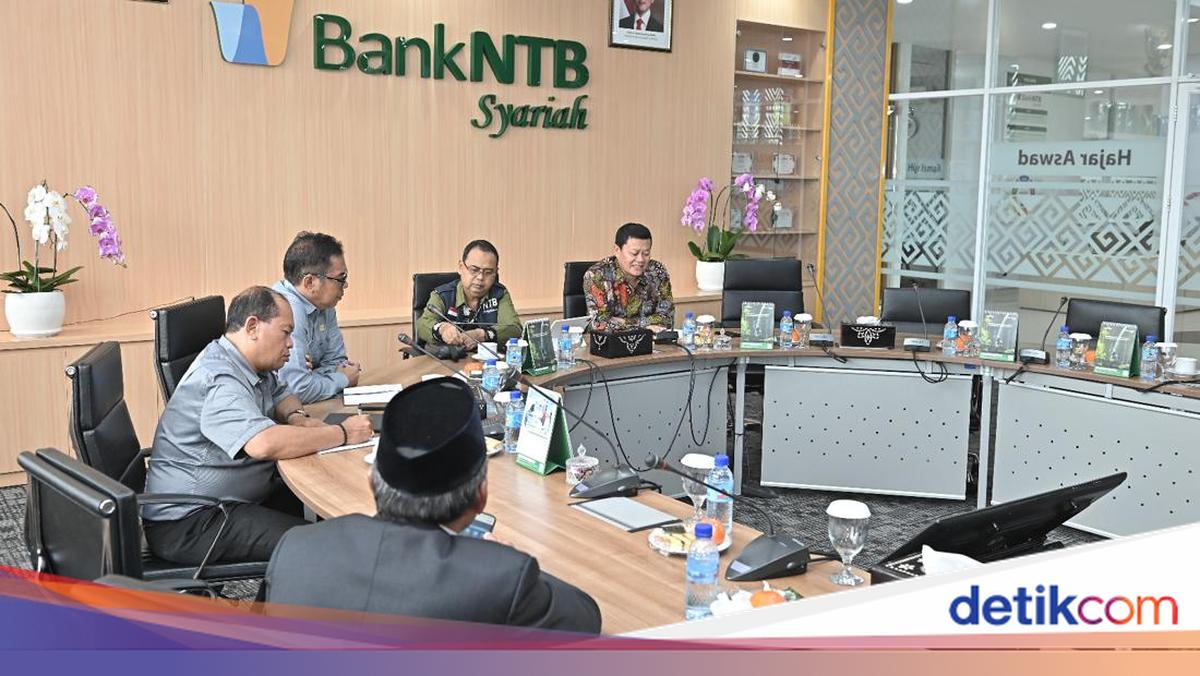
PT Bank NTB Syariah, in collaboration with the Nusa Tenggara Barat Provincial Government (Pemprov NTB), has finalised a People’s Business Credit (KUR) financing scheme for Indonesian Migrant Workers (PMI) and NTB-based foreign internship participants. The initiative is designed to provide safe, transparent, and equitable financing solutions for prospective migrant workers.
Agus Suhendro, Bank NTB Syariah’s Director of Financing, stated that this move responds to the high demand from NTB residents seeking employment and internship opportunities abroad.
Data shows NTB ranks fourth nationally as the largest contributor of PMI in Indonesia, with East Lombok Regency having the highest number of migrant workers in the province.
In 2025, 35,215 PMI were dispatched from NTB, with projections for 2026 remaining stable at around 30,000 departures. Additionally, interest in foreign internship programs has exceeded 1,000 participants.
“We recognise the massive market potential and demand. Bank NTB Syariah has allocated an initial budget ceiling of Rp 10 billion for the 2026 fiscal year specifically for this PMI and internship KUR scheme,” Agus stated on Tuesday (26 May 2026).
Agus explained that the working capital disbursement would follow a top-up mechanism, allowing flexible budget adjustments based on uptake, program effectiveness, and beneficiary usage.
To ensure targeted implementation, Bank NTB Syariah offers three adaptive financing models. First, a channeling model where the bank partners with official intermediaries such as Vocational Training Institutes (LPK), which recommend potential clients.
A direct model based on a Cooperation Agreement (PKS) between the bank and Indonesian Migrant Worker Placement Companies (P3MI) is also available, specifically for candidates officially registered with the Indonesian Migrant Worker Protection Service (BP3MI) and holding valid work visas.
“The third model for internship financing is integrated via direct PKS between the bank and LPKs holding official permits for overseas internship placements, to fund candidates who have passed visa screening,” he said.
All KUR disbursement schemes must comply with applicable Coordinating Minister for Economic Affairs regulations, including the latest Coordinating Minister for Economic Affairs Regulation No. 1 of 2026, to mitigate departure failure risks that could lead to Non-Performing Financing (NPF).
“We understand on-ground operational needs. Therefore, prescreening, document verification, and client eligibility analysis will run in parallel during training and document preparation. This ensures funds are disbursed immediately upon destination country visa issuance, avoiding time-consuming bureaucratic delays,” Agus added.
To safeguard state funds and maintain NPF ratios below the OJK’s 5% safety threshold, Bank NTB Syariah employs a cash flow-based repayment strategy through direct monthly salary deductions from workers in their host countries.
The bank also ensures migrant remittances are managed through robust international partnerships with leading global banking networks.
“Alongside international banking instruments, moral and financial risk mitigation is strengthened by requiring the involvement of immediate family members (parents or spouses) domestically,” he stressed.
Agus said PMI families must act as moral guarantors and transparently sign financing agreements, ensuring awareness of borrowers’ rights and obligations to prevent future communication issues.
NTB’s Labour and Transmigration Agency Head Aidy Furqon stated the provincial government is focusing the initial pilot phase on two main destination countries: Malaysia and Japan.
For Malaysia, the financing ceiling ranges from Rp 10 million to Rp 80 million. Per regulations, KUR funds are not disbursed as cash but cover real preparation costs such as passports, Criminal Record Certificate (SKCK), BPJS Ketenagakerjaan insurance, training, medical checks, flight tickets, and work visas.
For internships in Japan, the ceiling is Rp 50 million to Rp 70 million per participant. The collaboration is optimised to utilise quotas from the Ministry of Villages, Development of Disadvantaged Regions, and Transmigration, where NTB has opportunities to send participants.
“Funding covers competency training (Japanese N3 language standard), dormitory accommodation, meals, uniforms, insurance, and internship visas,” he said.
Furqon added that the progressive banking initiative is fully supported by the NTB Provincial Government. The agency is currently accelerating the finalisation of the Work Information System (SIK) application, which is 80% complete.
“Legally, the Legal Bureau is finalising a Regional Regulation (Perkada) or Governor’s Regulation to align the KUR scheme with existing local laws, including Regional Regulation No. 1 of 2016 on Migrant Worker Protection and Regulation No. 2 of 2025 on Labour Management,” he said.
Remittances from NTB’s PMI reached Rp 23.4 billion in 2023 and Rp 22.3 billion in 2024. Effective financial management is crucial to ensure foreign earnings transform into productive business capital upon return home.