
Bank Mantap: Silver Economy Can Be a New Growth Engine, What Is It?
The increasing number of elderly citizens is considered not only a demographic challenge but also a new opportunity for the national economy. Through the development of the silver economy, the elderly group can remain productive while becoming a driver of economic growth.
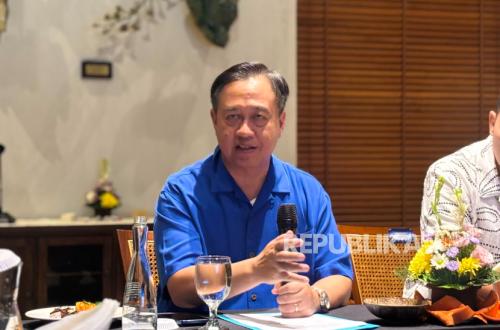
PT Bank Mandiri Taspen (Bank Mantap) CEO Panji Irawan stated that the elderly have often been viewed as a group dependent on family or the state. However, with the right ecosystem, they can continue to work, engage in entrepreneurship, or invest after entering retirement.
“If we only see the elderly as a burden, we will miss out on significant economic potential. The silver economy actually opens up opportunities for people to remain productive and independent in retirement,” Panji said during a media gathering in Ubud, Gianyar, Bali, on Friday evening.
Panji noted that Indonesia is entering an ageing society era. This condition must be met with a shift in perspective on retirement, from being synonymous with stopping work to remaining active according to one’s capabilities.
According to him, preparation for retirement is not only about pension funds but also about how a person builds productive assets and other sources of income while still working.
“The concept is active ageing. Retired individuals can still become mentors, consultants, business owners, or run investments so they continue to have an income,” he said.
Indonesia has now entered the ageing society phase. Based on the Intercensal Population Survey (SUPAS), the proportion of the population aged 60 and above has reached 11.97 percent, exceeding the 10 percent threshold used internationally to categorise a country as an ageing society. Meanwhile, the number of elderly people is expected to continue rising to approximately 65.82 million by 2045.