
Bank Jakarta Aims to Become the Capital's Financial Operating System
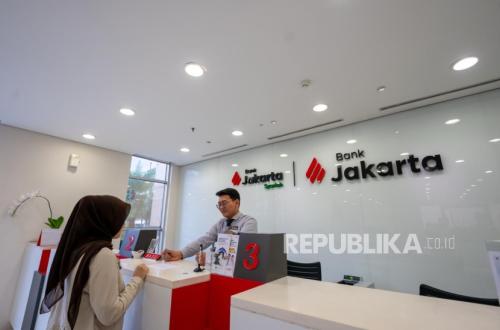
Bank Jakarta is preparing several strategies to strengthen its role in supporting the economic development of the capital. The bank aims to become a link between various development elements through an inclusive and integrated financial system.
Bank Jakarta President Director Agus H. Widodo stated that Jakarta’s current challenges are no longer solely related to physical infrastructure and technology, but also to the connectivity between the community, business actors, investors, and the government. “Jakarta does not lack buildings, roads, or technology. What still needs to be strengthened is the connection between citizens and services, SMEs and markets, investors and opportunities, and the government and the community,” Agus said in a statement on Saturday (6/6/2026).
According to Agus, various Regional Owned Enterprises (BUMD) have performed strategic functions in supporting urban life. MRT Jakarta plays a role in citizen mobility, Transjakarta provides public transport services, and PAM Jaya manages clean water services. Within this ecosystem, Bank Jakarta intends to take the role of a financial sector connector that supports the economic activities of the community and the business world.
“Bank Jakarta wants to be the financial operating system for Jakarta, connecting various opportunities and community needs within a single integrated financial ecosystem,” said Agus.
To support this vision, Bank Jakarta will expand financial inclusion so that more people can access formal financial services easily and safely. The company is also focusing on strengthening support for SMEs through access to financing, business digitalisation, and market development. Additionally, Bank Jakarta will expand access to housing finance through a housing inclusion programme to help the community obtain more affordable housing.
Furthermore, Bank Jakarta is placing the strengthening of the investment climate as one of its main focuses. According to Agus, urban development requires sustainable investment support and cannot rely solely on regional government budgets.
“The role of Bank Jakarta is not merely to collect funds and distribute credit, but to be the connector between citizens, SMEs, the government, and investors within a single urban ecosystem,” he said. Agus hopes this role can strengthen Jakarta’s economic connectivity while supporting the capital’s transformation into a more inclusive, competitive, and sustainable global city.