
Bank Indonesia's Dilemma: Learning from the 98 Crisis, Rupiah Stable but Liquidity Dries Up
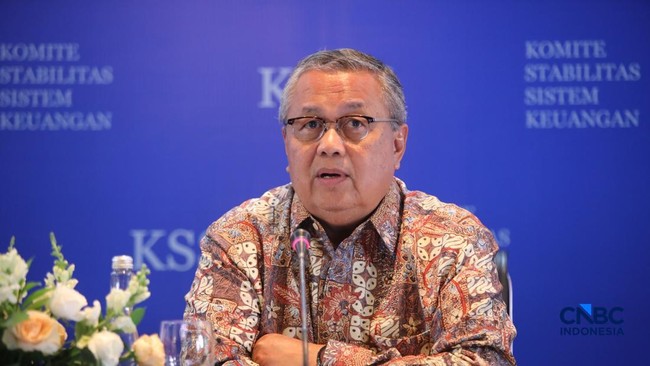
Jakarta, CNBC Indonesia - The Governor of Bank Indonesia (BI), Perry Warjiyo, stated that the central bank has learned significant lessons from managing exchange rate stability during the 1997-1998 and 2008 crises. According to Perry, during those crisis periods, frequent Rupiah interventions drained liquidity, resulting in liquidity shortages. Learning from this, the central bank’s policies to maintain exchange rate stability are now conducted in a more measured manner.
“We learned from the 97-9A and 2008 era that focusing heavily on Rupiah stability through intensive intervention drained liquidity. Thus, while it treated Rupiah stability, it caused liquidity to dry up,” Perry stated during a presentation at the Commission XI Working Meeting of the House of Representatives (DPR) on Monday (18/05/2025).
Instead of entering the spot market, which could deplete foreign exchange reserves, BI has chosen to intervene by purchasing Government Securities (SBN) in the secondary market. In this effort, Perry noted that BI has spent Rp 133 trillion year-to-date to purchase SBN in the secondary market. This indicates that BI remains measured in using foreign exchange reserves to stabilise the Rupiah through SBN purchases.
Perry also mentioned that BI’s SBN holdings have reached Rp 1,700 trillion, consisting generally of short-term tenors. By selling these back, BI hopes to generate capital inflows. “We hold Rp 1,700 trillion in SBN; we sell short-term to create inflows, but we purchase long-term yields,” he explained.
Through this approach, BI can conserve foreign exchange reserves while simultaneously preventing SBN yields from rising too high. Additionally, BI is maintaining market liquidity through various policies, such as encouraging double-digit growth in primary money and imposing a limit on US dollar purchases of US$ 25,000 per person per month. This is intended to ensure that dollar purchases remain controlled so that dollar liquidity is preserved.
Source: jawawa.id (https://jawawa.id/newsitem/bank-indonesias-dilemma-learning-from-the-98-crisis-rupiah-stable-but-liquidity-dries-up-1780904956)
Originally published by CNBC Indonesia (https://www.cnbcindonesia.com/market/20260518160220-17-735657/dilema-bi-belajar-dari-krisis-98-rupiah-aman-tapi-likuiditas-kering), translated from Indonesian