
Bank Indonesia: Rupiah weakness driven by global inflation concerns
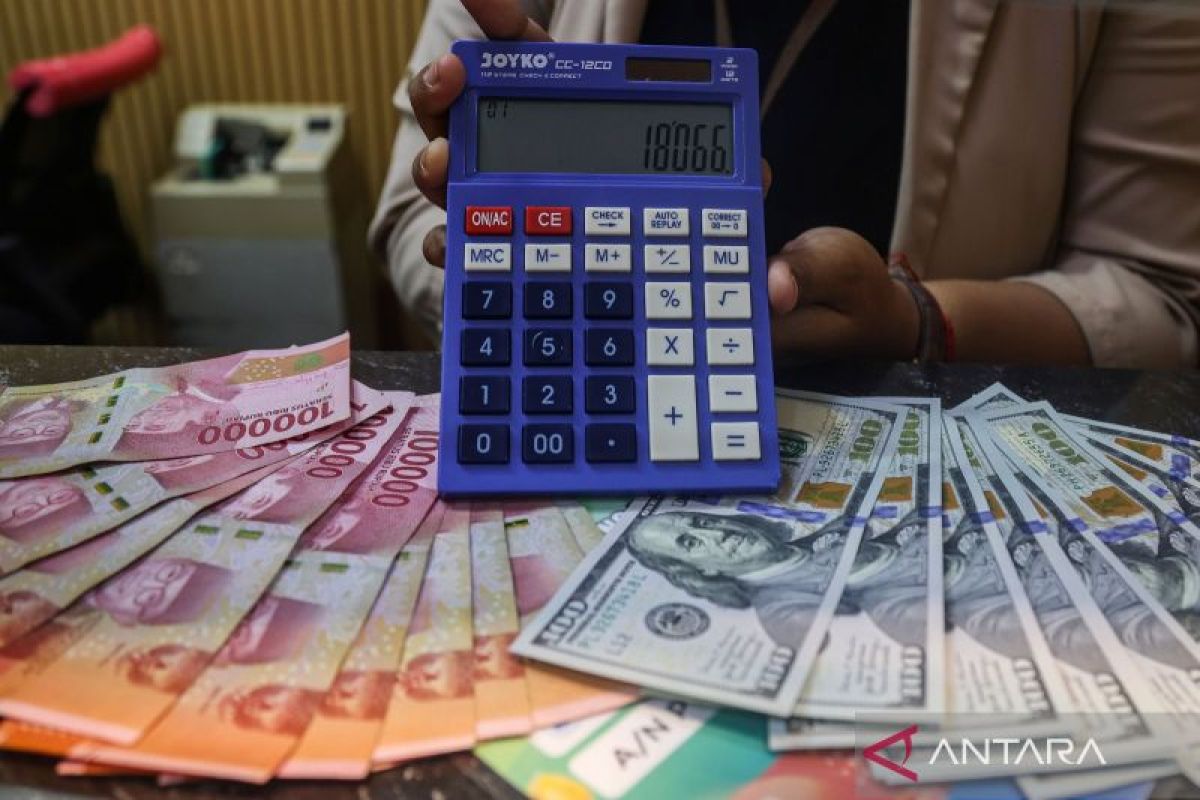
Bank Indonesia (BI) has stated that the weakening of the rupiah exchange rate is influenced by ongoing concerns regarding global inflationary pressures and fiscal risks, responding to the rupiah’s movement which touched the level of Rp18,000 per US dollar this afternoon.
These concerns align with the rise in oil prices to above 108 US dollars per barrel amidst the lack of an agreement regarding the opening of the Strait of Hormuz.
“This has driven expectations for further monetary policy tightening in the United States, causing the 10-year UST yield to rise back to the 5.23 per cent level, the highest since 2007,” said Erwin Gunawan Hutapea, Head of the Monetary Management and Securities Assets Department at BI, in a statement in Jakarta on Tuesday.
Furthermore, Erwin added that exchange rate pressure is also driven by the foreign exchange needs of importers towards the end of the third quarter, as well as capital outflows from emerging market asset portfolios amidst rising bond yields.
He ensured that BI continues to be present in the market to ensure that market mechanisms function properly and that the stability of the rupiah exchange rate is maintained in accordance with its fundamentals.
Additionally, Erwin added that BI is managing the interest rate structure in the money market by strengthening pro-market monetary operation strategies.
The effectiveness of exchange rate stabilisation is also being strengthened, and liquidity adequacy is being maintained by increasing incentives for swap instruments and domestic non-deliverable forwards (DNDF) hedging with BI for the purpose of foreign funding.
Erwin added that interventions will continue to be carried out consistently and sustainably through Non-Deliverable Forward (NDF) transactions in the offshore market, spot transactions, and DNDF in the domestic market, accompanied by the purchase of Government Securities (SBN) in the secondary market.
“Coordination and communication with corporations and market participants continue to be carried out intensively,” he said.
In general, Erwin noted that the movement of the rupiah remains in line with regional currency movements, with a limited depreciation of 0.67 per cent quarter-to-date (qtd).
Meanwhile, foreign exchange reserves were recorded to have increased to the level of 146.5 billion US dollars at the end of August 2026.