
Bank Indonesia optimistic that the rupiah will strengthen in July–August
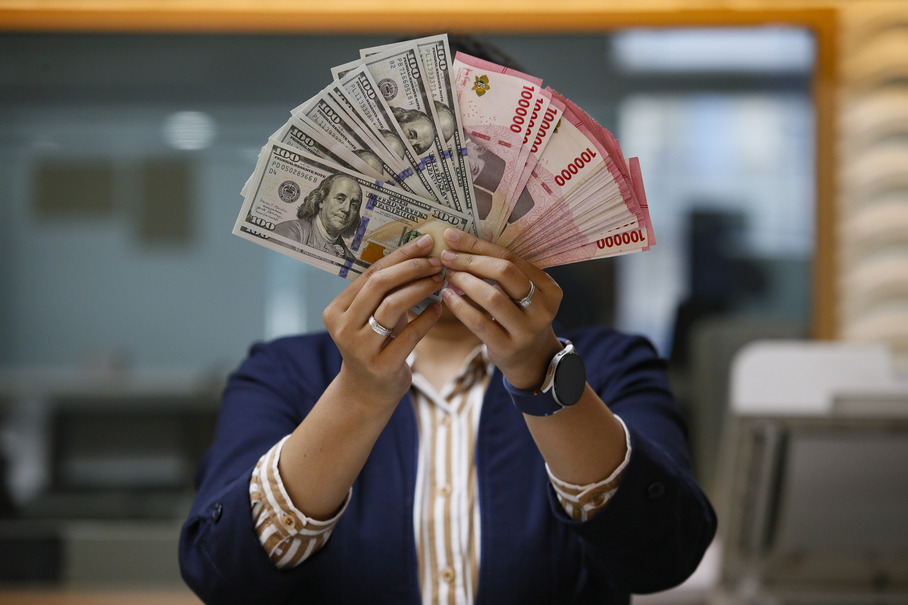
Bank Indonesia (BI) believes the rupiah will regain stability and even strengthen in July–August 2026 as it continues to raise the policy rate and employ monetary instruments to dampen global pressures and protect foreign capital inflows into the domestic market.
BI Governor Perry Warjiyo said the rupiah’s recent weakness was driven more by a mix of external pressures and domestic seasonal factors than by fundamental weaknesses in the national economy. He noted that fundamentally the rupiah should have room to strengthen, supported by a low current account deficit, steady economic growth, controlled inflation, and macroeconomic indicators that are considered strong.
“We often say there are two main factors that press on the rupiah: one is truly unpredictable global volatility,” Perry said at a press conference following the BI Board of Governors meeting on Wednesday, 20 May. He explained that global pressures are triggered by a string of uncertainties—from international tariff policies to the escalation of conflict in the Middle East—which have pushed up world oil prices, slowed global growth, raised inflation, and kept global interest rates high, including the Fed Funds Rate, while the US dollar strengthens.
These conditions weigh on currencies in many countries, including Indonesia. At the same time, domestic seasonal factors also boost demand for foreign exchange from April to June. Perry noted that period saw increased needs for foreign currency for Hajj and Umrah, for interest and principal payments on external debt, and for the distribution of corporate dividends, which boosted dollar demand in the domestic market.
“In the midst of a global environment that has led to capital outflows, domestic forex demand also rose through June,” he said. To ease these pressures, BI intensified market interventions both in the domestic and offshore markets through non-deliverable forward (NDF) instruments. This move was accompanied by adjustments to monetary instrument rates such as the Rupiah Securities Bank Indonesia (SRBI).
Perry disclosed that the SRBI rate hikes in the last two months had reversed capital outflows that previously occurred in Q1, returning inflows to the domestic financial markets. “We have also raised the SRBI rate and that succeeded in pushing portfolio inflows back from outflows to inflows,” he said. He added that BI’s decision to raise the BI Rate by 50 basis points to 5.25% would strengthen rupiah stability through a combination of market interventions, adjustments to the SRBI rate structure, and maintaining the appeal of domestic financial assets.
BI estimates domestic forex demand will begin to fall after June, thereby easing pressure on the rupiah. “If we look at history, the rupiah did face pressure in April, May, and June, but will strengthen in July and August. We are confident the rupiah will stabilise and tend to appreciate going forward,” Perry asserted.
Source: jawawa.id (https://jawawa.id/newsitem/bank-indonesia-optimistic-that-the-rupiah-will-strengthen-in-july-august-1779545627)
Originally published by Media Indonesia (https://mediaindonesia.com/ekonomi/892080/bi-optimistis-nilai-tukar-rupiah-menguat-juliagustus), translated from Indonesian