
Bank Indonesia Optimises Policy Instruments to Maintain Rupiah Stability
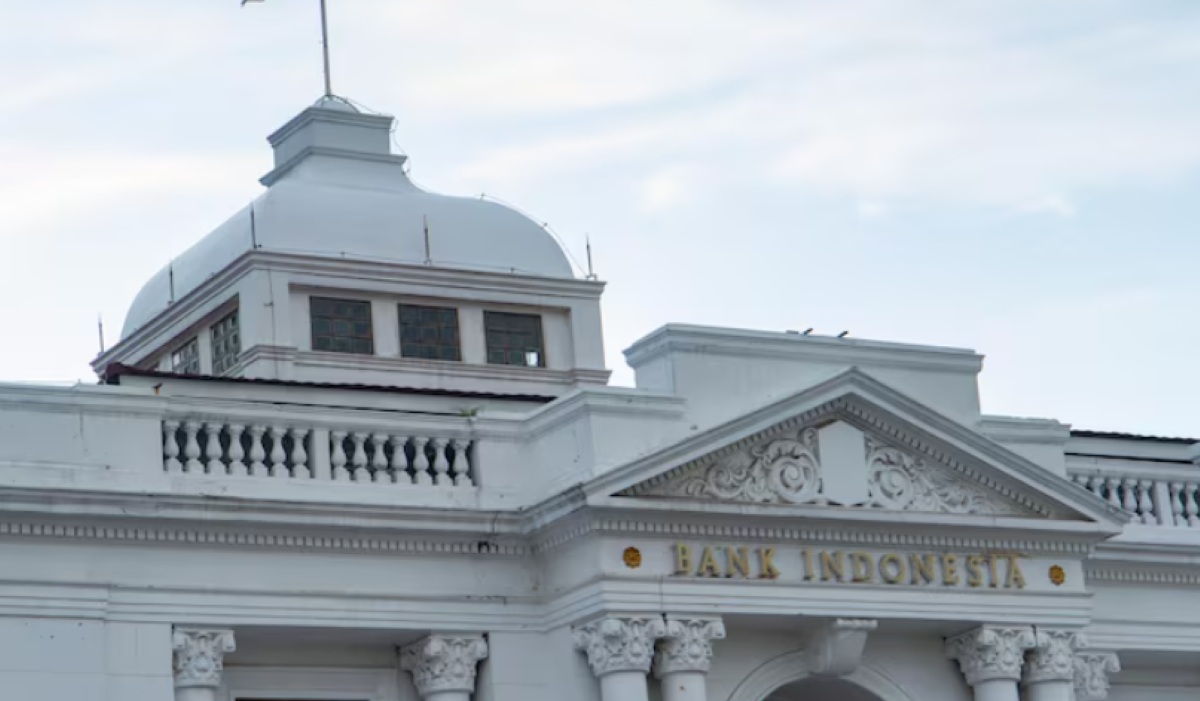
Bank Indonesia (BI) has reaffirmed its commitment to maintaining the stability of the rupiah exchange rate amidst global and domestic financial market dynamics. Various monetary policy and financial market instruments will continue to be optimised to ensure market mechanisms function effectively and to strengthen the external resilience of the national economy.
Ramdan Denny Prakoso, Head of the Bank Indonesia Communication Department, stated that BI will continue to closely monitor economic and financial market developments, both globally and domestically, and will remain present in the market with consistent and measurable steps. “Bank Indonesia will continue to monitor global and domestic financial market developments and will always be present in the market by taking necessary steps consistently and measurably to maintain the stability of the rupiah exchange rate and strengthen external resilience,” said Ramdan.
According to him, the central bank will continue to optimise all available policy instruments to ensure sufficient foreign exchange (FX) liquidity and support financial market stability. These steps are intended to ensure that market mechanisms remain efficient and capable of absorbing potential volatility arising from external developments.
In addition to market intervention and liquidity management, BI is implementing a new policy regarding foreign exchange transactions. Since 2 June 2026, Bank Indonesia has introduced a threshold for purchasing foreign exchange against the rupiah without supporting documents (underlying) at a limit of US$25,000 per participant per month. This policy is expected to support the deepening of the domestic foreign exchange market while maintaining the balance of supply and demand for foreign currency within the country.
Furthermore, BI continues to expand the use of local currencies in cross-border transactions through the Local Currency Transaction (LCT) scheme. This effort aims to reduce dependence on the US dollar and mitigate risks arising from global exchange rate volatility. Currently, Indonesia’s LCT cooperation has been established with several partner countries, including China, Japan, Malaysia, Thailand, South Korea, and the United Arab Emirates.
Ramdan emphasised that maintaining the stability of the rupiah exchange rate cannot be achieved by Bank Indonesia alone. It requires close synergy and coordination between various stakeholders to ensure the external resilience of the national economy is maintained. Consequently, BI continues to strengthen coordination with the government, financial sector authorities, the banking industry, the business community, and market participants to ensure market mechanisms function well and support overall financial system stability.