
Bank Indonesia increases intervention intensity as exchange rate hits Rp18,000
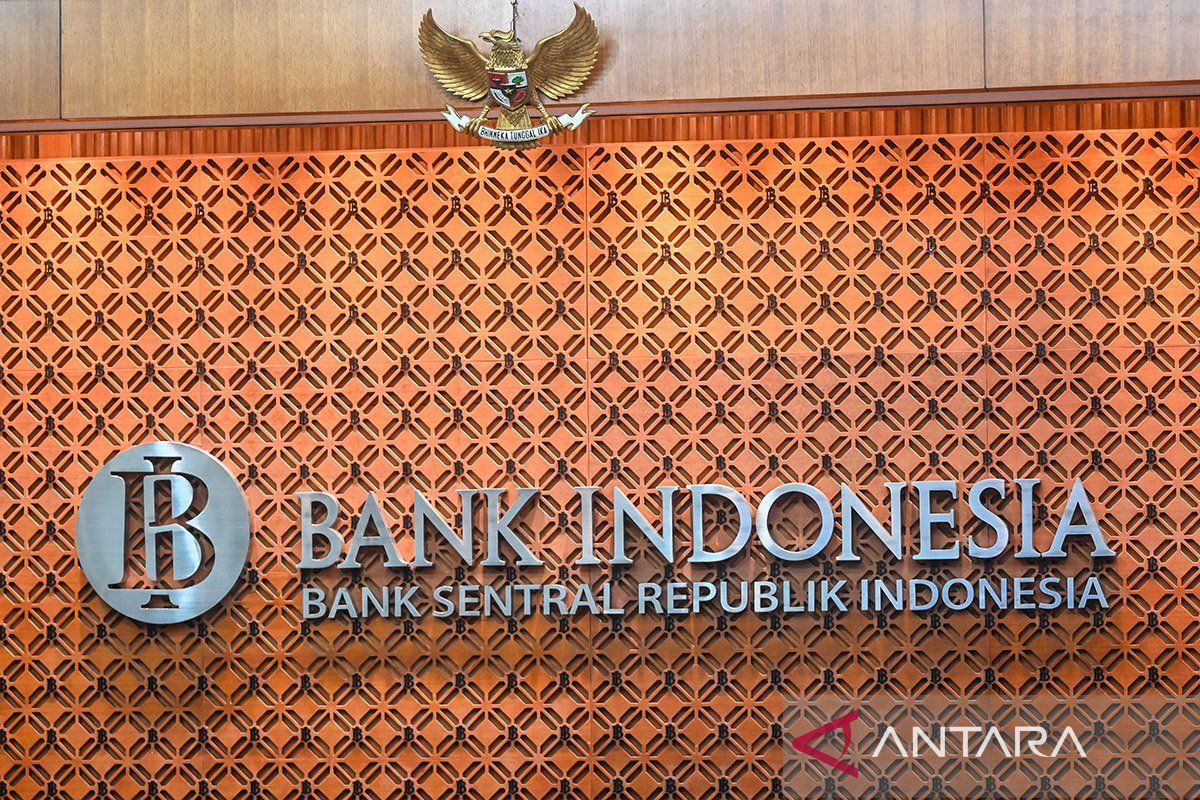
Bank Indonesia (BI) has confirmed that it is increasing the intensity of its interventions in the foreign exchange market to ensure proper market mechanisms and to maintain the stability of the rupiah exchange rate in line with its fundamentals. This move comes as the rupiah continues to weaken, reaching levels around Rp18,000 per US dollar.
“Bank Indonesia continues to be present in the market and is increasing the intensity of interventions to ensure that market mechanisms function well and that the stability of the rupiah exchange rate is maintained according to its fundamentals,” said BI Senior Deputy Governor Destry Damayanti in an official statement in Jakarta on Thursday.
Furthermore, Destry added that the central bank is also strengthening the interest rate structure of pro-market monetary instruments to remain attractive for capital inflows into domestic assets. “Continuous intervention will be carried out consistently through Non-Deliverable Forward (NDF) transactions in the offshore market, spot transactions, and Domestic Non-Deliverable Forward (DNDF) in the domestic market, accompanied by the purchase of government securities (SBN) in the secondary market,” Destry emphasised.
She added that intensive coordination and communication with corporations and other market participants are also being maintained. Destry explained that the exchange rate weakness is still being influenced by the escalating geopolitical tensions in the Middle East, which are hindering peace prospects. This has subsequently driven oil prices to remain high and increased the risks of global inflation and capital outflows from emerging markets.
In addition, domestic demand for foreign exchange remains significant due to dividend repatriation patterns and the servicing of external debt. According to Destry, the rupiah’s depreciation is generally in line with regional trends, with a year-to-date (YTD) decline of -7.44 per cent.
On the other hand, BI ensured that foreign exchange reserves remain stable, standing at 146.2 billion US dollars at the end of April 2026. As an effort to reduce dependence on the US dollar and mitigate exchange rate volatility risks, BI is encouraging the use of local currencies in bilateral cooperation through the Local Currency Transaction (LCT) scheme. This cooperation has been established with China, Japan, Malaysia, Thailand, South Korea, and the United Arab Emirates.
“The diversification of trade transactions through the LCT scheme continues to increase, reaching approximately 22.7 billion US dollars in April, compared to approximately 25.7 billion US dollars for the full year of last year,” said Destry.